









(www.youtube.com)
Essay: Representation as a living political idea
Friday, June 18, 2010
“In the grand discovery of modern times, the system of representation, the solution of all the difficulties, both speculative and practical, will perhaps be found. If it cannot, we seem to be forced upon the extraordinary conclusion, that good Government is impossible.” (1)
(Utilitarian Philosopher James Mill)
In his 'Essay On Government', the Utilitarian philosopher James Mill, salutes representation as 'the grand discovery of modern times'. Andrew Heywood (2) states that representative democracy is a ‘limited and indirect form of democracy that is based on the selection of those who will rule on behalf of the people’. The defining characteristics of limited and indirect clearly shows the nature of representative democracy that recognizes the impossibility of all citizens being involved in every decision making process, and the necessity of the election of representatives of the people to government. Thus, representation can be seen as a necessity of modern politics.
If so, how is it possible to prevent the representatives from themselves following their interest at the expense of the interests of the community? Do considerations of scale, expertise and knowledge of political matters make representation inevitable in any large-scale political community and does this then open up the danger of a gap between representatives and represented? Would representative democracy give way to oligarchy and elitism? Can a representative system realize freedom as it promises? In fact, representation is one of the most problematic concepts in the interpretations of democratic theory. This raises the question of whether the concept of representation is a living political idea.
On Representation
In his book of 'The Prince', the Italian political philosopher, Machiavelli argues in favour of a strong leader to govern a nation according to his own decisions and observations by using the example of a disease in society stating as
"(…) by recognising from afar the diseases that are spreading in the state (which is a gift given only to a prudent ruler), they can be cured quickly; but when they are not recognized and are left to grow to the extent that everyone recognizes them, there is no longer any cure." (3)
For Machiavelli, 'necessity' is the most concept for him and he uses it to determine military might in foreign policy as well as strong leaders in governments. In his book of the Discourses, Machiavelli states the twofold role virtuous individuals play in political culture. The first function of virtuous men is to inspire and beget virtue in others, and citizen virtue as well as military virtue is vital in protecting the republic from internal as well as external dangers, thus individual leadership is necessary in some particular affairs. The second function of virtuous men is to prevent corruption. All peoples tend to become corrupt in time due to the gradual loss of fear and respect for the law, thus a founding father figure is needed to perform “excessive and notable” executions to refresh people’s memories. (4)
Similarly, in his writings of The Utility of the union as a safeguard against domestic faction and insurrection, American Philosopher, James Madison argues in favour of the role of leaders. He states that public views could be refined and enlarged through the medium of a chosen body of citizens, whose wisdom may best discern the true interest of their country and whose patriotism and love of justice will be least likely to sacrifice it to temporary or partial considerations. (5) He also believes that the public voice, pronounced by the representatives of the people, will be more consonant to the public good than if pronounced by the people themselves. For Madison, the representative government could overcome the excesses of pure democracy because elected few are likely to be competent and have a capability for the interests of the people and the government ought to be led by the best men.
To the contrary, in his book of 'The Social Contract and Discourses', Jean-Jacques Rousseau argues that representation and sovereignty are mutually incompatible because sovereignty cannot be delegated and represented. In his view, sovereignty lies essentially in the general will, and will does not admit of representation, then the deputies of the people are not and cannot be its representatives (6). On his line of thought, the election of representatives puts an end to the liberty of the people.
Alternatively, the eighteenth-century philosopher and politician Edmund Burke rejects the idea of representative as a delegate, that constrained to keep strictly to the views of those whom they represent and advocates the opposite idea of the role of the parliamentary representative. In his classical speech to the electors of Bristol, Burke strongly opposed the idea that representatives are bound by instructions or a mandate from their constituents. In his view, authoritative instructions, which the Member is bound blindly and implicitly to obey, to vote, and to argue for, though the contrary to to the clearest conviction of his judgement and conscience; are things unknown to the laws of the land and which arise from a fundamental Mistake of the whole order and tenour of the Constitution.(7) Therefore, he advocates that parliamentary representatives must decide on issues in accordance with their own judgements, after hearing the debates in the representative arena.
For James Mill, representation was the grand discovery of modern times and a necessity of modern politics. However, he observes the problems that could give rise from the idea of representation and the possible conflicts of interests if representatives themselves follow their private interests at the expense of community interests. Mill, thus, highlight the solution that lay in the institution of checks and controls over the representatives that allow them to hold office only for limited periods. In his 'Essay on Government ' (8), he clearly stakes out the principles of accountability of representatives to be represented and the need for institutions to put this principles into practice.
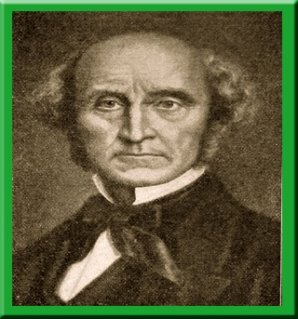
In Considerations on Representative Government (9) , John Stuart Mill also argues in favour of the concept of 'representation' by highlighting the weaknesses of the ancient Greek idea of the polis. According to Mill, there are obvious geographical and physical limits to the place and time of open meeting as well as the problems posed by coordination and regulation in a densely populated country. Therefore, the notion of self-government of government by open meeting and any form of classical or direct democracy could not be sustained in modern society. He then recommends a representative democratic system along with freedom of speech, the press and assembly, that has distinct advantages of providing the mechanism whereby central powers can be watched and controlled as well as establishing a forum (parliament) to act as a watchdog of liberty and centre of reason and debate through electoral competition, leadership qualities with intellect for the maximum benefit at all.
For John Mill, the 'ideally best polity' in modern conditions comprises a representative democratic system in which 'people exercise through deputies periodically elected by themselves the ultimate controlling power (10). He believes that representative democracy could combine accountability with professionalism and expertise and both democracy and skilled governments are the conditions that complement each other. He argues in favour of skilled governments and political leadership. However, in his book of Liberty, he also argues in favour of the use of a utilitarianist doctrine in a democracy in which a political leader’s action is right only insofar as it is useful or directly benefits the majority. (11)
The debates on representation involves not only the above antithesis between direct democracy and indirect democracy, the gaps between representatives and represented, the roles of representatives and the principles of accountability of representatives to be represented; but also the problems of what is to represent and the problems of inclusion and exclusion. In her book of 'The Concept of Representation', the American Philosopher Hannah Pitkin argues that a representative government must not merely be in control, not merely promote public interest, but must also be responsive to the people. (12) On her lines of thought, the people must not be passive objects of manipulation, nor would it be enough for a government to be responsive to public opinion only on occasions when it is possible. Instead, there must be a constant condition of responsiveness, of potential readiness to respond and some forms of institutional arrangements for government responsiveness. She also argues that the notion of representative government seems to incorporate both a very general, abstract, metaphorical idea (13) -that the people of a nation are present in the action of its government in complex ways- and some fairly concrete, practical, and historically traditional institutions intended to secure such an outcome.
However, Pitkin also asserts that there could be some tensions between the practice of representation and the democratic principles of accountability and control that were similarly highlighted by elite theorists like Robert Michels. In his 'iron law of oligarchy', Michels points out that popular sovereignty could never be achieved, and the masses, elevated by democratic theory to the highest role, in reality could only give way to oligarchy. On his lines of thought, social revolution would not affect any real modification of the internal structure of the mass, as the majority of human beings, in a condition of eternal tutelage, are predestined by tragic necessity to submit to the dominion of a small minority, and must be content to constitute the pedestal of an oligarchy (14). These views raise the debates about what it is to represent in terms of the democratic theory.
The contemporary debates on representation also involves the problem of inclusion and exclusion. In his book of In Polyarchy: Participation and Opposition, Robert Dahl distinguished political regimes by two axes - the degree of political competition and the degree of political participation. For Dahl, the axis of political competition was rooted from monopolistic regimes in which power is concentrated in the hands of a narrow elite to pluralist regimes in which power is dispersed among groups and institutions while the axis of political participation was referred by the proportion of the population that is entitled to participate in a more or less equal plane (15). The higher the proportion of the population that plays a part in decision making the more inclusion of the regime type and the lower that proportion, the more exclusionary the regime type.
In contrast, Anne Phillips argues that the defining characteristics of representative democracy, as Robert Dahl has clarified, are grounded in the heterogeneity of the societies that gave it birth and it was the diversity of citizenry that made the earlier practices of Athenian democracy so inappropriate to the modern world (16). She, then, suggests the need for a 'politics of presence' which could give voice to a number of groups excluded or oppressed or marginalized by the individualist representation of liberal democracy. In her views, demands for political presence have often arisen out of the politics of social movements, which reflect differences in social class such as the 'representation of labour' and inequalities such as the civil rights movement, women's movements and autonomous organizations that speak for oppressed or disadvantaged groups. By putting the role of social movements on the agenda, she challenged the traditional modes and ideas of representation in liberal democracy that might not be adequate to ensure reflections of different groups, identities and minorities. By drawing on the historical accounts of how the conceptions of 'representation' has developed over time, the idea of 'representation' could be said to be a living political idea. It, then, raised the question of the livingness of 'representation' in politics.
Interpretations of living political ideas on the development of representation
Kenneth Shepsle regards ideas as purely interest-oriented vehicles or instruments used by politicians to further their own ideas . In his view, political actors only recur to ideas to justify things which have been decided on interest grounds long before Institutions and incentives are the really decisive explanatory variables . He makes clear in summarizing his position: “My own view on the force of ideas is to see them as one of the hooks on which politicians hang their objectives and by which they further their interests.” (17) Similarly, Stephen Krasner put forwards ideas as the servants of the interests that play a purely subordinate and instrumental role. In his views, ideas have not made possible alternatives that did not previously exist (18) and they have been one among several instruments that actors have invoked to promote their own, usually mundane, interests.
Alternatively, Tompson, Huysmans and Reokhovnik does not view ideas as purely interest-oriented instruments used by politicians. In their views, ideas are political when they are used to mobilize people behind some sort of political action; when used in political debates, when they have consequences for a wider society; when they are about the nature and limits of politics as well as part of a general vision of how the world should be organized. (19) However, not all ideas are politically alive.
Ideas live in politics only when they inspired and informed different world views that could mobilize people politically. Moreover, they must keep being drawn on, i.e., recycled in political arguments over time, whether being changed, adapted or re-appropriated in Politics. Furthermore, ideas could rarely be dead once institutionalized in political institutions like parliaments and less obvious political institutions like the family, the Church, the law, the prisons and even in medicine and public health matters. However, living political ideas could have significant political implications and possible socio-economic consequences as sometimes people live ideas to their perils or to their limits. Nevertheless, as Raia Proljovnik (20) states, ideas circulate in both political theory and in practice. These different interpretations of the livingness of political ideas might be applied to the development of representation.
Machiavelli's ideas on representation in favour of strong leaders in governments are kept alive because they have been used to justify power politics with a focus on pragmatic evaluation of what will keep politicians in power. Machiavelli has become famous as a sinister and ruthless politician because of the philosophy he expressed in The Prince since then. On the other hand, Machiavelli’s concepts formed the basis of nineteenth-century liberalism, a political philosophy that advocates change for the good of the state and its citizens. His ideas on representation regarding the preference for republican than monarchical governments have a profound influence on the political developments in Europe during the 19th century. His ideas not only circulate in political theory, but also in practice.
Similarly, Madison's ideas on representation are recycled in political debates on representative governments, principles of popular sovereignty, common goods, constitutional matters and so on. His ideas are always implicitly or explicitly played out in political debates and institutional practices. He is taken to stand for the ideas of separations of power and controlling majority's faction effects and the controversies they generate. His ideas were also criticized by anti-federalists and modern philosophers. In his book of 'Explaining America', Garry Wills asserts the role of minorities by criticizing Madison: "Minorities can make use of dispersed and staggered governmental machinery to clog, delay, slow down, hamper, and obstruct the majority. But these weapons for delay are given to the minority irrespective of its factious or non-factious character; and they can be used against the majority irrespective of its factious or non-factious character. What Madison prevents is not faction, but action. What he protects is not the common good but delay as such." (21) Thus, it is obvious that Madison's political ideas are alive as inspirations and have consequences for the society as a whole.
On the other hand, Jean-Jacques Rousseau's remarks on the frictions between the government and the people still represents as living political ideas. The demand that all citizens should participate in popular assemblies is unique to Rousseau in the modern world. His critics on representation are still alive in both political theory and political practice and his alternative concepts of liberty, equality and fraternity have inspired different views that mobilized people politically. In fact, "Liberty, equality, fraternity" was to be the motto of the 'French Revolution', which drew a great deal of inspiration from his ideas. Likewise, James Mill's ideas on representation regarding the principles of accountability and institutional requirements were taken seriously in debates in good governance and being institutionalized in political institutions and international organizations.
In a modern era, John Stuart Mill's ideas on proportional representation, in which “the champions of unpopular doctrines would not put forth their arguments merely in books and periodicals, read only by their own side; instead the opposing ranks would meet face to face to hand with proportional representation, and there would be a fair comparison of their intellectual strength, in the presence of the country” (22) , are still alive and being interpreted, adapted, and re-appropriated in politics. They have been firmly institutionalized into constitutions and governance structures in modern politics as well as being alive in political debates. Some scholars like Burns and Ryan (23) argue that Mill's consistent viewpoints throughout his political writings were not strictly democratic. Others like Robson and Bobbio (24) believe that he was. On their lines of arguments, it is clear that Mill's ideas have been adapted in current debates on electoral reforms, democratic forms of governance as well as contemporary social and political thoughts.
The ideas on representation inspired by Hanna Pitkin have also helped shaping the next generations of empirical research into the practice of American Democracy. Hanna Pitkin made the radical move of de-centering political representation from the intentions and acts of individual subjects and, so, breaking with the assumption that a political representative, like a lawyer, delegate or trustee, stands in a “one-to-one, person-to-person relationship” to a principal. As Lisa Disch points out, her argument have had the paradoxical effect of encouraging empirical and normative researchers to persist in thinking about political representation in the very terms that Pitkin set out to revise: as a one-on-one relationship between a representative and a constituency (25) . Obviously, her ideas live in politics as people rework them to revise the concept of 'political representation' and have consequences that go well beyond the defined responsibilities of the governments.
On the other hand, the ideas examined by Anne Phillips on the problems of representation of the poor such as the integration of the issues of class into a presence of politics, have inspired politicians and political theorists to articulate how this integration of class and a politics of presence is to be done. Her ideas inspired some political theorists to argue for the necessity descriptive representatives to be selected based on their relationship to citizens who have been unjustly excluded and marginalized by democratic politics (26) , whereas, some to emphasize empirical research on the benefits of having descriptive representatives.
Conclusion
Due to the paradoxical nature of conceptions, political ideas contain different and conflicting views as well as multiple and competing dimensions. Not all political ideas are alive. Ideas live in politics only when they inspired and keep being recycled in political arguments over time, whether being changed, adapted or re-appropriated in Politics. Ideas could also rarely be dead once institutionalized in both political institutions and non-political institutions. Moreover, living political ideas could have significant political implications and possible socio-economic consequences as people sometimes live ideas to their perils or to their limits. Furthermore, ideas are alive when they circulate in both political theory and in practice. In terms of these interpretations of living political ideas to the development of the concept of 'representation', representation can be said to be a living political idea indeed.
Khin Ma Ma Myo (2010)
End Notes
(1) Mill, J. (2004) 'Essay on Government' in Blaug, R. & Schwarzmantel, J. (eds.) Democracy: A Reader, Edinburgh,Edinburgh University Press, p. 154, Originally written 1819-1823
(2) Heywood, A. (2002) Politics, 2nd edition, New York, Palgrave Macmillan
(3) Machiavelli, N. (1987[1532]) 'The Prince' in Bondanella, J. & Musa, M. (eds) The Italian Renaissance Reader, New York, Penguin Books
(4) Machiavelli, N.(1983) The Discourses, Harmondsworth, Penguin Books
(5) Madison, J. (1987[1788]) 'The utility of the union as a safeguard against domestic faction and insurrection', The Federalist Papers, No. 10, Harmondsworth, Penguin Books, p. 126
(6) Rousseau, J. (1968) The Social Contract and Discourses, Everyman's Library, Dent, London, Book III, Chaoter XV, pp. 78, Originally written 1762
. (7) Burke, E. (1996) 'Speech at the Conclusion of the Poll, 3 November 1774', in Elofson, W. and Woods, J. (eds), The Writings and Speeches of Edmund Burke, Vol. III: Party, Parliament and the American War (1774-80), Clarendon Press, Oxford, pp. 68-70
.(8) Mill, J. (1992) 'Essay on Government', in Ball, T. (ed.) Political Writings, sections VI-VII, pp. 21-24, Cambridge University Press, Cambridge. Originally written in 1819-1823
. (9) Mill, J.S. (1951) 'Considerations on Representative Government' in Acton, H. (ed.) Utilitarianism, Liberty and Representative Government, Dent, London, p. 175- 195, Originally written in 1861
. (10) Mill (1951) p. 228
. (11) Mill, J.S. (1982) On Liberty, Harmondsworth, Penguin Books
. (12) Pitkin, H. (1967) 'The Concept of Representation', University of California Press, Berkeley, CA, pp. 232
. (13) Pitkin (1967) pp.236
. (14) Michels, R. (1962) 'Political Parties: A sociological study of the Oligarchical Tendencies of Modern Democracy, trans. Eden and Cedar Paul, Free Press, London, pp. 356
. (15) Dahl, R. (1971) Polyarchy: Participation and Opposition, New Haven, CT: Yale University Press
. (16) Phillips, A. (1995) The Politics of Presence, Clarendon Press, Oxford, pp. 5
. (17) Shepsle, K. (1985) 'Comment on Derthick and Quirk', in Noll, R. (ed.) Regulatory Policy and the Social Science, Berkeley, University of California Press, pp. 235
. (18) Krasner, S. (1993) 'Westphalia and All That', in Goldstein, J. and Koehane, R. (eds.) Ideas and Foreign Policy: Beliefs, Institutions and Political Change, Ithaca, Cornell University Press
. (19) Thompson, G.; Huysmans, J. & Rrokhovnik, R. (2008) 'What makes ideas political?', audio transcripts, courses on Living Political Ideas, Open University
. (20) Thompson, G.; Huysmans, J. & Rrokhovnik, R. (2008) 'How do political ideas live?', audio transcripts, courses on Living Political Ideas, Open University
. (21) Wills, G. (1982) Explaining America, New York, Penguin Books, pp. 195
. (22) Mill, J.S. (1951) "Of True and False Democracy; Representation of All, and Representation of the Majority Only." in Acton, H. (ed.) Utilitarianism, Liberty and Representative Government, Dent, London, p. 175- 195, Originally written in 1861
. (23) Burns, J. (1968) “J.S. Mill and Democracy, 1829-61” in Schneewind (ed) Mill: A collection of Cirtical Essays, pp.328, Ryan (2007) 'Bureaucracy, Democracy, Liberty: Some Unanswered Questions in Mill's Politics', in Urbinati and Zakaris (eds.) J.S. Mill's Political Thought: A Bicentennial Reassessment, Cambridge, Cambridge University Press, pp.158
.(24) Robson (1968) The Improvement of Mankind: The Social and Political Thought of John Stuart Mill, London, Routledge, pp. 224, Bobbio, N. (2005) Liberalism and Democracy, London, Verso, pp.57
. (25) Disch, L. (2007) 'Representation “Do’s and Don’ts”: Hanna Pitkin’s The Concept of Representation', Online, http://www.univ-paris8.fr/scpo/lisadisch.pdf (assessed on 8/6/2010)
. (26) Dovi, Suzanne. 2002. “Preferable Descriptive Representatives: Or Will Just Any Woman, Black, or Latino Do?” American Political Science Review 96: 745-754.
Bibliography
Burns, J. (1968) “J.S. Mill and Democracy, 1829-61” in Schneewind (ed) Mill: A collection of Cirtical Essays, pp.328
Burke, E. (1996) 'Speech at the Conclusion of the Poll, 3 November 1774', in Elofson, W. and Woods, J. (eds), The Writings and Speeches of Edmund Burke, Vol. III: Party, Parliament and the American War (1774-80), Clarendon Press, Oxford
Dahl, R. (1971) Polyarchy: Participation and Opposition, New Haven, CT: Yale University Press
Dovi, Suzanne( 2002) “Preferable Descriptive Representatives: Or Will Just Any Woman, Black, or Latino Do?” American Political Science Review 96: 745-754.
Disch, L. (2007) 'Representation “Do’s and Don’ts”: Hanna Pitkin’s The Concept of Representation', Online, http://www.univ-paris8.fr/scpo/lisadisch.pdf (assessed on 8/6/2010)
Heywood, A. (2002) Politics, 2nd edition, New York, Palgrave Macmillan
Krasner, S. (1993) 'Westphalia and All That', in Goldstein, J. and Koehane, R. (eds.) Ideas and Foreign Policy: Beliefs, Institutions and Political Change, Ithaca, Cornell University Press
Machiavelli, N. (1987[1532]) 'The Prince' in Bondanella, J. & Musa, M. (eds) The Italian Renaissance Reader, New York, Penguin Books
Machiavelli, N.(1983) The Discourses, Harmondsworth, Penguin Books
Madison, J. (1987[1788]) 'The utility of the union as a safeguard against domestic faction and insurrection', The Federalist Papers, No. 10, Harmondsworth, Penguin Books
Michels, R. (1962) 'Political Parties: A sociological study of the Oligarchical Tendencies of Modern Democracy, trans. Eden and Cedar Paul, Free Press, London
Mill, J. (1992) 'Essay on Government', in Ball, T. (ed.) Political Writings, sections VI-VII, pp. 21-24, Cambridge University Press, Cambridge. Originally written in 1819-1823
Mill, J. (2004) 'Essay on Government' in Blaug, R. & Schwarzmantel, J. (eds.) Democracy: A Reader, Edinburgh,Edinburgh University Press, p. 154, Originally written 1819-1823
Mill, J.S. (1951) 'Considerations on Representative Government' in Acton, H. (ed.) Utilitarianism, Liberty and Representative Government, Dent, London, p. 175- 195, Originally written in 1861
Mill, J.S. (1982) On Liberty, Harmondsworth, Penguin Books
Pitkin, H. (1967) 'The Concept of Representation', University of California Press, Berkeley, CA
Phillips, A. (1995) The Politics of Presence, Clarendon Press, Oxford
Rousseau, J. (1968) The Social Contract and Discourses, Everyman's Library, Dent, London, Book III, Chaoter XV, pp. 78, Originally written 1762
Ryan (2007) 'Bureaucracy, Democracy, Liberty: Some Unanswered Questions in Mill's Politics', in Urbinati and Zakaris (eds.) J.S. Mill's Political Thought: A Bicentennial Reassessment, Cambridge, Cambridge University Press
Shepsle, K. (1985) 'Comment on Derthick and Quirk', in Noll, R. (ed.) Regulatory Policy and the Social Science, Berkeley, University of California Press
Thompson, G.; Huysmans, J. & Rrokhovnik, R. (2008) 'What makes ideas political?', audio transcripts, courses on Living Political Ideas, Open University
Thompson, G.; Huysmans, J. & Rrokhovnik, R. (2008) 'How do political ideas live?', audio transcripts, courses on Living Political Ideas, Open University
Wills, G. (1982) Explaining America, New York, Penguin Books
Civic Education အေၾကာင္း တေစ့တေစာင္း
၂၀ ရာစုေႏွာင္းပိုင္း ကာလမွာ ႏိုင္ငံေရးသီအိုရီတခုျဖစ္တဲ့ Civic Education အေၾကာင္းကို ပညာရွင္ေတြရဲ႕ စိတ္၀င္စားတစား ေလ့လာမွဳေတြ တစတစ က်ယ္ျပန္႕လာခဲ့ပါတယ္။ ႏိုင္ငံသားေကာင္းျဖစ္ဖို႕ဆိုတာ လုပ္ယူရတာ ျဖစ္တယ္။ ေမြးကတည္းက ျဖစ္လာတာ မဟုတ္ဘူး ဆိုတာကို လူအမ်ားက ပိုျပီး လက္ခံလာခဲ့ၾကပါတယ္။ ဖြံ႕ျဖိဳးတိုးတက္တဲ့ ႏိုင္ငံေရးအေဆာက္အအံု တခု ျဖစ္ထြန္းလာဖို႕အတြက္ သင့္ေလ်ာ္တဲ့ အသိပညာ၊ အတတ္ပညာနဲ႕ စာရိတၱျမင့္မားတဲ့ ႏိုင္ငံသားေတြ လိုအပ္တယ္ဆိုတဲ့ အခ်က္ကို ႏိုင္ငံေခါင္းေဆာင္မ်ားက တညီတညြတ္တည္း လက္ခံလာၾကပါတယ္။ ဒါေပမယ့္ အသိပညာ၊ အတတ္ပညာနဲ႕ စာရိတၱျမင့္မားတဲ့ ႏိုင္ငံသားေတြ မ်ားျပားလာေအာင္ ဘယ္လို လုပ္မလဲ ဆိုတာက ေမးစရာ ျဖစ္လာပါေတာ့တယ္။ စာသင္ေက်ာင္းေတြ၊ တကၠသိုလ္ ပညာေရးေတြနဲ႕တင္ မလံုေလာက္ဘူးဆိုတာကိုလဲ သိျမင္လာၾကပါတယ္။
Civic Education ဆိုရာ၀ယ္Civics ဆိုတာ ႏိုင္ငံသားအခြင့္အလမ္းနဲ႕ တာ၀န္ေတြကို ေလ့လာျခင္း ျဖစ္ပါတယ္။ Civic Education ဆိုတာကေတာ့ ဒီလိုႏိုင္ငံသားအခြင့္အလမ္းနဲ႕ တာ၀န္ေတြ၊ ႏိုင္ငံေရးအင္စတီက်ဴးရွင္းေတြနဲ႕ ျပည္သူ႕ေရးရာ မူ၀ါဒေတြကို လူအမ်ားသိရွိလာေအာင္ ပညာေပးျခင္းပဲ ျဖစ္ပါတယ္။ အဓိပၸာယ္ဖြင့္ဆိုခ်က္ မူကြဲေတြ အမ်ိဳးမ်ိဳးရွိေပမယ့္ " ဘံုအက်ိဳးစီးပြားရရွိေရးအတြက္ ေဆာင္ရြက္ရန္၊ အမ်ားျပည္သူအား အစိုးရႏွင့္ အျခားအဖြဲ႕အစည္းမ်ားမွ abuse လုပ္ျခင္းႏွင့္ တိုက္ခိုက္ျခင္းကို ကာကြယ္ေပးရန္၊ ျပည္သူ႕ေရးရာကိစၥရပ္မ်ားကို ေ၀ဖန္ဆန္းစစ္ႏိုင္ေသာ အသိဥာဏ္ပညာမ်ားကို ျဖန္႕ျဖဴးေပးရန္၊ အသိပညာဗဟုသုတမ်ားကို ကိုယ္ပိုင္အက်ိဳးစီးပြားႏွင့္ အမ်ားျပည္သူအက်ိဳးစီးပြားအတြက္ အသံုးျပဳရန္ ဟူေသာ ရည္မွန္းခ်က္ မရွိပါက မည္သည့္ civic potential မွ ျပည့္စံုမည္ မဟုတ္ေပ။ ႏိုင္ငံသားအခြင့္အလမ္းႏွင့္ တာ၀န္မ်ားဆိုင္ရာ အသိပညာ၊ အရည္အခ်င္း၊ အျမင္ႏွင့္ တန္ဖိုးထားမွဳမ်ားသည္ ႏိုင္ငံေရးရာကိစၥရပ္မ်ားတြင္ ႏိုင္ငံသားမ်ားအားလံုး တာ၀န္သိစြာျဖင့္ ထိထိေရာက္ေရာက္ ပူးေပါင္းေဆာင္ရြက္ျခင္းကို ျဖစ္တည္လာေစသည္။ သို႕ျဖစ္ရာ အဆိုပါ အရည္အေသြးမ်ား ျမင့္မားလာေစရန္ ေဆာင္ရြက္ေရးသည္ civic education ၏ mission ျဖစ္သည္" ဆိုတဲ့ mission အေပၚမွာပဲ အေျခခံထားတာေတြ ျဖစ္ပါတယ္။
ႏိုင္ငံသားတေယာက္ဟာ ႏိုင္ငံရဲ႕ vision ကို သိျမင္နားလည္ရမွာျဖစ္ပါတယ္။ အမ်ိဳးသားအက်ိဳးစီးပြားကို နားလည္ျပီး ကာကြယ္ေစာင့္ေရွာက္တတ္ရပါမယ္။ ႏိုင္ငံေတာ္အစိုးရ အုပ္ခ်ဳပ္သူမ်ားရဲ႕ မူ၀ါဒေတြကို ဆန္းစစ္ေ၀ဖန္ႏိုင္စြမ္း ရွိရပါမယ္။ အမ်ားျပည္သူရဲ႕ အက်ိဳးစီးပြားနဲ႕ ကိုယ္ပိုင္အက်ိဳးစီးပြား ယွဥ္တြဲလာတဲ့အခါမွာ အမ်ားျပည္သူအက်ိဳးစီးပြားကို ဦးစားေပးလိုတဲ့ civic virtue ရွိရပါမယ္။ ဥပမာ- ဖြ႕ံျဖိဳးဆဲႏိုင္ငံအမ်ားစုရဲ႕ ဖြံ႕ျဖိဳးတိုးတက္ေရးကို ေႏွာင့္ေႏွးေစတဲ့ လာဘ္စားမွဳ ျပႆနာဟာ civic virtue မရွိတဲ့ ျပႆနာပဲ ျဖစ္ပါတယ္။ ဒီမိုကေရစီစနစ္ရဲ႕ civic virtue ဆိုတာမွာ Civic dispositions ( ဒီမိုကေရစီစနစ္ ထြန္းကားရွင္သန္ေရးကို ေဆာင္ရြက္လိုေသာ ႏိုင္ငံသားအျမင္၊ အေလ့အထႏွင့္ စိတ္ထားမ်ား ရွိျခင္း) နဲ႕ Civic commitments (ဒီမိ္ုကေရစီစနစ္၏ အေျခခံ တန္ဖိုးမ်ားႏွင့္ စည္းမ်ဥ္းမ်ားအေပၚတြင္ အေလးေပးအာရံုစိုက္မွဳ) ဆိုတာေတြ ပါ၀င္ပါတယ္။
Civic Education ဆိုတာက ဒီလို civic virtue ကို ျမွင့္တင္ေပးျပီး ထိေရာက္တဲ့ civic participation ျဖစ္လာေအာင္ ပညာေပးျခင္း ျဖစ္ပါတယ္။ civic participation ဆိုတာက ျပည္သူ႕ေရးရာ မူ၀ါဒေတြကို ဆန္းစစ္ေ၀ဖန္မွဳေတြတင္ မဟုတ္ပါဘူး။ ျပည္သူ႕ေရးရာ၊ အမ်ားျပည္သူအက်ိဳးစီးပြားစတာေတြနဲ႕ ပတ္သက္ျပီး အသိပညာ ဗဟုသုတရွိျခင္း၊ ခံယူခ်က္ရွိျခင္း၊ ႏိုင္ငံေရးသမားမ်ားနဲ႕ အစိုးရအဖြဲ႕အစည္းအေပၚ reflective enquiry ျပဳလုပ္မွဳ စတာေတြ ပါ၀င္ပါတယ္။ ႏိုင္ငံသားတေယာက္ဟာ စည္းကမ္းမဲ့ လမ္းေပၚမွာ အမွိဳက္လႊင့္ပစ္တာဟာ civic virtue မရွိလို႕ပဲ ျဖစ္ပါတယ္။ ဌာနဆိုင္ရာ၀န္ထမ္းတေယာက္ကို လာဘ္ေပးတာကလဲ civic participation မွာ အားနည္းေနျခင္း ျဖစ္ပါတယ္။ ဒါေၾကာင့္ ႏိုင္ငံသားေတြရဲ႕ civic virtue ကို ျမွင့္တင္ေပးျပီး၊ ႏိုင္ငံေတာ္အနာဂတ္လမ္းခရီးမွာ ပူးေပါင္းပါ၀င္လာဖို႕အတြက္ civic education ကို စနစ္တက် ျပဳလုပ္ရမွာ ျဖစ္ပါတယ္။ ဒီေနရာမွာ civic education ကို ဘယ္လိုအေကာင္အထည္ေဖာ္မလဲ ဆိုတာေတြနဲ႕ ပတ္သက္ျပီး အျမင္ကြဲလြဲမွုေလးေတြ ရွိပါတယ္။
Civic Education ဆိုင္ရာ အျမင္ကြဲျပားမွဳမ်ား
ဒီေနရာမွာလဲ ပေလတိုနဲ႕ အရစ္တိုတယ္တို႕ေတြ Civic Education ဆိုတာနဲ႕ ပတ္သက္ျပီး ေျပာခဲ့စဥ္ကာလ ကတည္းက အစျပဳ ျဖစ္ေပၚလာခဲ့တဲ့ အျငင္းပြားမွဳေတြ၊ အျမင္မတူညီမွဳေတြက ရွိပါေသးတယ္။ ျပည္သူလူထုကို ႏိုင္ငံသားနဲ႕ ပတ္သက္တဲ့ ပညာေပးမွဳေတြဟာ ဘယ္လိုႏိုင္ငံေရး အေဆာက္အအံုဆိုတာေပၚမွာ မူတည္ပါတယ္။ ဥပမာ- ဒီမိုကေရစီ စနစ္ထြန္းကားတဲ့ ႏိုင္ငံတႏိုင္ငံမွာ ဒီမိုကေရစီ မဆန္တဲ့ ႏိုင္ငံေရးအေတြးအေခၚေတြ၊ ျပဳမူလုပ္ေဆာင္ခ်က္ေတြကို လက္ခံျခင္း မရွိတဲ့ ဒီမိုကေရစီ ႏိုင္ငံသားေတြ ရွိဖို႕ လိုအပ္ပါတယ္။ ႏိုင္ငံသားေတြဟာ ဒီမိုကေရစီနဲ႕ လိုက္ေလ်ာညီေထြရွိတဲ့ အသိပညာ၊ အရည္အခ်င္းနဲ႕ စာရိတၱေတြ ရွိလာဖို႕ ၾကိဳးပမ္းႏိုင္မွသာ ဒီမိုကေရစီ အသြင္ကူးေျပာင္းမွဳကေန ဒီမိုကေရစီ အျမစ္တြယ္ရွင္သန္ခိုင္မာမွဳ ရွိလာေအာင္ ျပဳလုပ္ႏိုင္မွာ ျဖစ္ပါတယ္။ ဒါေပမယ့္ ဒီမိုကေရစီႏိုင္ငံသားေတြ ေပၚထြန္းလာေစေရး ဆိုတာမွာကလဲ ဘယ္လို ဒီမိုကေရစီ သေဘာတရားေတြနဲ႕ တိုင္းျပည္ကို တည္ေဆာက္မွာလဲ ဆိုတာကို မူတည္လာျပန္ပါတယ္။
ႏိုင္ငံေရးပညာရွင္ March နဲ႕ Olsen ဆိုခဲ့ဖူးသလိုပဲ ဒီမိုကေရစီ သေဘာတရားေရးရာ ျငင္းခုန္မွဳေတြ ျဖစ္တဲ့ ကိုယ္စားျပဳမွဳနဲ႕ တိုက္ရိုက္ပါ၀င္ပတ္သက္မွဳအၾကားက ခ်ိန္ခြင္လွ်ာ၊ ကိုယ္ပိုင္အက်ိဳးစီးပြားနဲ႕ အမ်ားျပည္သူ အက်ိဳးစီးပြားအၾကားက ခ်ိန္ခြင္လွ်ာ၊ အခြင့္အေရးနဲ႕ တာ၀န္ယူမွဳအၾကားက ခ်ိန္ခြင္လွ်ာ၊ လြတ္လပ္မွဳနဲ႕ တန္းတူညီမွ်မွဳအၾကားက ခ်ိန္ခြင္လွ်ာ၊ ညီညြတ္မွဳနဲ႕ ကြဲျပားျခားနားမွဳအၾကားက ခ်ိန္ခြင္လွ်ာ စတဲ့ ခ်ိန္ခြင္လွ်ာေတြကို ႏိုင္ငံေတာ္အစိုးရေတြအေနနဲ႕၊ မူ၀ါဒခ်မွတ္သူေတြအေနနဲ႕ ဘယ္လိုထိန္းညွိမလဲ ဆိုတဲ့ အခ်က္ေပၚမွာ မူတည္သြားတတ္ျပန္ပါတယ္။ ဒီလို သေဘာတရားေရးရာ ကြဲျပားျခားနားမွဳေတြဟာ democratic civic education ကို ဘယ္လို အေကာင္အထည္ေဖာ္သလဲ ဆိုတဲ့အေပၚမွာ ရိုက္ခတ္လာပါတယ္။ စာသင္ခန္းအေျချပဳ ပညာေရးနဲ႕ လူ႕အဖြဲ႕အစည္းအေျချပဳ လူထုပညာေပး လုပ္ငန္းေတြကို အေကာင္အထည္ေဖာ္တဲ့ ပံုသ႑ာန္ေတြဟာ ဒီလိုသေဘာတရားေရးရာ ကြဲျပားျခားနားမွဳေပၚမူတည္ျပီး အမ်ိဳးမ်ိဳး ကြဲျပားလာပါတယ္။
ဒါေပမယ့္ စာသင္ခန္းအေျချပဳနည္းလမ္းျဖစ္ျဖစ္၊ လူ႕အဖြဲ႕အစည္းအေျချပဳ လူထုပညာေပး နည္းလမ္းျဖစ္ျဖစ္၊ ဘယ္လိုသ႑ာန္ေတြပဲသံုးသံုး အဓိကေတာ့ ႏိုင္ငံသားေတြအေနနဲ႕ ေခတ္၊ စနစ္နဲ႕ ေလ်ာ္ညီတဲ့ ႏိုင္ငံသားေတြမွာ ရွိရမယ့္ အရည္အခ်င္းေတြ၊ အေတြးအေခၚေတြ၊ ျပဳမူေဆာင္ရြက္မွဳေတြ၊ ကၽြမ္းက်င္မွဳေတြ ရွိလာဖို႕ကသာ အေရးၾကီးဆံုးျဖစ္ပါတယ္။ ဒီေနရာမွာလဲ အရည္အေသြးျပည့္၀တဲ့ ႏိုင္ငံသားေကာင္းတေယာက္ျဖစ္လာဖို႕အတြက္ ဘယ္အတိုင္းအတာအထိ ႏိုင္ငံေရးသုတနဲ႕ civic knowledge ေတြ လိုအပ္သလဲ ဆိုတာက ေမးစရာ ျဖစ္လာျပန္ပါတယ္။
ပညာရွင္တခ်ိဳ႕ကေတာ့ ဒီမိုကေရစီ ႏိုင္ငံသားေကာင္းျဖစ္ဖို႕အတြက္ ဒီမိုကေရစီ အုပ္ခ်ဳပ္မွဳစနစ္ (democratic governance) ကို နားလည္ရမယ္၊ ျပည္သူ႕ေရးရာ မူ၀ါဒေတြကို ေသေသခ်ာခ်ာ သိနားလည္ရမယ္လို႕ သတ္မွတ္ၾကပါတယ္။ ပညာရွင္တခ်ိဳ႕ကေတာ့ ႏိုင္ငံသားေတြဟာ ျပည္သူ႕ေရးရာ မူ၀ါဒေတြကို အေသးစိတ္သိကၽြမ္းနားလည္စရာ မလိုအပ္ေပမယ့္ အေျခခံနားလည္မွဳနဲ႕ ဆန္းစစ္ေ၀ဖန္ ႏိုင္မွဳေတာ့ ရွိဖို႕ လိုအပ္တယ္လို႕ ယူဆၾကပါတယ္။ ဘယ္လိုပဲျဖစ္ျဖစ္ ႏိုင္ငံတႏိုင္ငံမွာ တည္ျငိမ္တဲ့ ႏိုင္ငံေရး အုပ္ခ်ဳပ္မွဳစနစ္တခု ေပၚထြက္လာဖို႕မွာ လူထုရဲ႕ ႏိုင္ငံေရးအျမင္ဟာ အဓိကက်တာေၾကာင့္ reasonable judgement ကို ျပဳလုပ္ႏိုင္တဲ့ ႏိုင္ငံသားေတြ အမ်ားအျပား ေပၚထြက္လာဖို႕ အေရးၾကီးေၾကာင္း ပညာရွင္ အမ်ားစုက လက္ခံထားၾကပါတယ္။
ႏိုင္ငံေရး ပညာရွင္တဦးျဖစ္တဲ့ Samuel Popkin ကေတာ့ ႏိုင္ငံေရးအသိပညာဗဟုသုတ အားနည္းတဲ့ ႏိုင္ငံသားေတြဟာ ဒီမိုကေရစီမူ၀ါဒေတြရဲ႕ အေပးအယူ debates ေတြ၊ ျပည္သူ႕ေရးရာ မူ၀ါဒအားနည္းခ်က္ေတြကို ေသေသခ်ာခ်ာ ခြဲျခား ဆန္းစစ္မွဳေတြ မျပဳလုပ္ႏိုင္ပဲ ျဖစ္စဥ္ေတြ၊ အေၾကာင္းအရာေတြ၊ မူ၀ါဒေတြထက္ လူပုဂၢိဳလ္ေပၚမွာ မူတည္ျပီး ေရြးခ်ယ္မွဳေတြ လုပ္ေလ့ရွိၾကတယ္လို႕ ဆိုထားပါတယ္။ ဒါေၾကာင့္လဲ ႏိုင္ငံေရးအသိပညာ သင္းကြပ္ခံထားရတဲ့ အာဏာရွင္စနစ္ ႏိုင္ငံေတြနဲ႕ အာဏာရွင္စနစ္ကေန ဒီမိုကေရစီ အသြင္ကူးေျပာင္းဆဲ ႏိုင္ငံေတြမွာ ပုဂၢိဳလ္ေရးကိုးကြယ္မွဳေပၚ အေျချပဳတဲ့ ေခါင္းေဆာင္ေရြးခ်ယ္မွဳေတြ၊ ႏိုင္ငံေရးအေၾကာင္းအရာထက္ ႏိုင္ငံေရးဇာတ္ေကာင္ကို အသားေပးမွဳေတြ၊ မင္းေလာင္းေမွ်ာ္မွဳေတြ၊ တကိုယ္ေတာ္ ဟီးရိုး၀ါဒကို ေထာက္ခံအားေပးမွဳေတြ ထြက္ေပၚေနတာ ျဖစ္ပါတယ္။ ဒါေတြဟာ ဒီမိုကေရစီစနစ္ အျမစ္တြယ္ခိုင္မာရွင္သန္ေရးအတြက္ အတားအဆီး၊ အေႏွာင့္အယွက္ေတြပါပဲ။
Civic Education, Political Education ေတြ နဲ႕ ပတ္သက္ျပီး ဘယ္ေလာက္အတိုင္းအထိ ႏိုင္ငံသားတိုင္း သိထားသင့္သလဲ ဆိုတာကို အျငင္းပြားေနၾကဆဲ ျဖစ္ေပမယ့္ ႏိုင္ငံသားေတြဟာ မူ၀ါဒေရးရာေတြမွာ ကၽြမ္းက်င္ပညာရွင္ျဖစ္စရာ မလိုဘူး ဆိုတာကိုေတာ့ လူအမ်ားက လက္ခံထားၾကပါတယ္။ ဒါေပမယ့္ ႏိုင္ငံေရးရာနဲ႕ပတ္သက္ျပီး reasonable civic judgement ကို လုပ္ႏိုင္မယ့္ အေျခခံ ဗဟုသုတနဲ႕ အရည္အခ်င္းကိုေတာ့ ႏိုင္ငံသားတိုင္း ပိုင္ဆိုင္ထားသင့္တယ္ ဆိုတာကိုလဲ လက္ခံလာၾကျပီး၊ သင့္ေလ်ာ္မယ့္ civic education နဲ႕ civics assessment စတာေတြကို ႏိုင္ငံေတာ္အစိုးရေတြက အေကာင္အထည္ေဖာ္လာၾကပါတယ္။
ႏိုင္ငံသားေကာင္းဆိုတာ ေမြးကတည္းက ျဖစ္လာတာမဟုတ္ပဲ လုပ္ယူရတာျဖစ္တယ္ ဆိုတဲ့ အဆိုကို လက္ခံလာၾကတာနဲ႕အမွ် ႏိုင္ငံတႏိုင္ငံရဲ႕ အနာဂတ္ေခါင္းေဆာင္ လူငယ္ေတြကို political socialization လုပ္ရာမွာ လိုအပ္မယ့္ civic education ရဲ႕ အခန္းက႑ကိုလဲ ထည့္သြင္းစဥ္းစားလာၾကပါတယ္။ ဒီေနရာမွာ အေျခခံပညာေရးအဆင့္အတန္း ျမင့္မားမွဳဟာ လူေတြရဲ႕ ႏိုင္ငံေရးဗဟုသုတ ရယူႏိုင္မွဳနဲ႕ ႏိုင္ငံေရးမွာ ပါ၀င္ပတ္သက္မွဳ သ႑ာန္ကို အက်ိဳးသက္ေရာက္မွဳ ရွိတာေၾကာင့္ အေျခခံပညာေရး အဆင့္အတန္းျမင့္မားေရးကလဲ က႑တခုအေနနဲ႕ ပါ၀င္လာပါေတာ့တယ္။ ပညာေရး အင္စတီက်ဴးရွင္းေတြ မဟုတ္တဲ့ မိသားစု၊ လူမ်ိဳးစု၊ ႏိုင္ငံေရးအဖြဲ႕အစည္း၊ လူမွဳေရးအဖြဲ႕အစည္း၊ ႏိုင္ငံေရးျဖစ္ရပ္ေတြကေန civic formation ေပၚကို သက္ေရာက္မွဳေတြကိုလဲ ထည့္သြင္း စဥ္းစားလာၾကပါတယ္။ Mass Media ေတြကတဆင့္ လူငယ္ေတြကို civic knowledge, political knowledge ေတြ ျဖန္႕ျဖဴးေပးႏိုင္မယ့္ နည္းလမ္းေတြကိုလဲ တီထြင္အေကာင္အထည္ ေဖာ္လာၾကပါတယ္။ စာသင္ခန္းေတြ၊ သင္တန္းေတြနဲ႕ class-room based education ကို ပိုျပီးဦးစားေပးသင့္သလား၊ community-based experiences ေတြကို ဦးစားေပး အေကာင္အထည္ေဖာ္သင့္သလား ဆိုတာကိုေတာ့ ပညာရွင္ေတြ၊ မူ၀ါဒခ်မွတ္သူေတြၾကားမွာ အျမင္ကြဲလြဲမွဳေတြ ရွိေနဆဲပါပဲ။ ဘယ္လိုပဲျဖစ္ျဖစ္ civic education ကို စနစ္တက်အေကာင္အထည္ေဖာ္ႏိုင္ျပီး civic knowledge ေတြ လူငယ္ေတြအၾကား၊ ႏိုင္ငံသားေတြအၾကားမွာ ပ်ံ႕ႏွံ႕သြားဖို႕က အေရးၾကီးဆံုးပဲ ျဖစ္ပါတယ္။
civic knowledge ၏ အေရးပါမွဳ
civic knowledge ရဲ႕ အေရးပါပံုနဲ႕ ပတ္သက္ျပီး ႏိုင္ငံေရးပညာရွင္ေတြက သုေတသနျပဳ ေလ့လာဆန္းစစ္ခ်က္ေတြ လုပ္ခဲ့ၾကပါတယ္။ ေလ့လာဆန္းစစ္ခ်က္ေတြအရ civic knowledge ရွိျခင္းအားျဖင့္ ႏိုင္ငံသားေတြဟာ သူတို႕ရဲ႕ ကိုယ္ပိုင္အက်ိဳးစီးပြားကို သိျမင္လာၾကပါတယ္။ ႏိုင္ငံသားအခြင့္အလမ္းေတြကို ပိုျပီး သိျမင္လာၾကပါတယ္။ အခြင့္အလမ္းေတြကို သိျမင္လာတာနဲ႕အမွ် ႏိုင္ငံေတာ္က ခ်မွတ္ထားတဲ့ မူ၀ါဒေတြရဲ႕ ကိုယ္ပိုင္အက်ိဳးစီးပြားေတြအေပၚ သက္ေရာက္မွဳေတြကို ေတြ႕ျမင္လာၾကပါတယ္။ Delli နဲ႕ Keeter တို႕ရဲ႕ ေလ့လာဆန္းစစ္ခ်က္မ်ားအရ ႏိုင္ငံေရးဗဟုသုတဟာ ကိုယ္ပိုင္အက်ိဳးစီးပြားကို သိျမင္နားလည္ခြင့္ကို ေပးစြမ္းႏိုင္ပါတယ္။ အဲဒီကေနတဆင့္ ကိုယ္ပိုင္အက်ိဳးစီးပြားနဲ႕ ျပည္သူ႕ေရးရာကိစၥရပ္ေတြကို ဆက္စပ္ေပးပါတယ္။ ဒီလို ဆက္စပ္ေပးရာကေနတဆင့္ ႏိုင္ငံေရးကို သိျမင္နားလည္တဲ့ ျပည္သူလူထုဟာ အစိုးရတရပ္ရဲ႕ လုပ္ငန္းေဆာင္တာေတြ၊ မူ၀ါဒေတြကို အကဲျဖတ္ဆန္းစစ္ႏိုင္လာပါတယ္။ ဒီမိုကေရစီနည္းလမ္းတက် ေရြးေကာက္ပြဲေတြမွာဆိုရင္ ဘယ္လိုပါတီနဲ႕ ဘယ္လိုအမတ္ေလာင္းဟာ သူတို႕ရဲ႕ အက်ိဳးစီးပြားကို အေကာင္းဆံုးအေကာင္အထည္ေဖာ္ေပးႏိုင္မလဲ ဆိုတာကို တြက္ခ်က္ေရြးခ်ယ္ႏိုင္လာပါတယ္။ ဒါေၾကာင့္ civic knowledge ဟာ စနစ္တခု ထြန္းကားေရးကို ေဖာ္ေဆာင္ေပးႏိုင္ပါတယ္။
civic knowledge နဲ႕ ပတ္သက္တဲ့ ေနာက္ထပ္အက်ိဳးေက်းဇူးတခုကေတာ့ ျပည္သူ႕ေရးရာနဲ႕ ပတ္သက္တဲ့ ကိစၥရပ္ေတြ၊ ႏိုင္ငံေရးရာေတြမွာ အခ်ိန္ကာလနဲ႕ အညီ လိုက္ေလ်ာညီေထြရွိတဲ့ ႏိုင္ငံေရးအျမင္ေတြ ရွိေနေစတာပဲ ျဖစ္ပါတယ္။ ျပည္သူလူထုရဲ႕ ႏိုင္ငံေရးအေတြးအေခၚ၊ အသိပညာေတြကို ေလ့လာတဲ့ ပညာရွင္ေတြက ႏိုင္ငံေရးဗဟုသုတနဲ႕ ႏိုင္ငံေရးအျမင္ တည္ျငိမ္မွဳ အၾကားမွာ သိသာထင္ရွားတဲ့ ဆက္ႏြယ္မွဳေတြ ခိုင္ခိုင္မာမာရွိေၾကာင္း ေလ့လာေတြ႕ရွိခဲ့ၾကပါတယ္။
civic knowledge နဲ႕ ပတ္သက္တဲ့ ေနာက္ထပ္အက်ိဳးေက်းဇူးတခုကေတာ့ ႏိုင္ငံသားေတြဟာ ႏိုင္ငံေတာ္မွာ ျဖစ္ေပၚေနတဲ့ ႏိုင္ငံေရး ေျပာင္းလဲမွဳအေျခအေနေတြကို ေသေသခ်ာခ်ာ ခြဲျခားသိျမင္ႏိုင္ျခင္းပဲ ျဖစ္ပါတယ္။ ႏိုင္ငံေတာ္ရဲ႕ ႏိုင္ငံေရးျဖစ္စဥ္ေျပာင္းလဲမွဳကို မသိျမင္တဲ့ ႏိုင္ငံသားတေယာက္ဟာ အခ်ိန္အခါ၊ အေျခအေနနဲ႕ အညီ ျဖစ္ေပၚလာတဲ့ ေျပာင္းလဲမွဳေတြထဲမွာ ဘယ္လို တုန္႕ျပန္ေဆာင္ရြက္ရမယ္ဆိုတာကို နားမလည္ႏိုင္ပါဘူး။ ႏိုင္ငံေရးျဖစ္စဥ္ ေျပာင္းလဲမွဳေတြနဲ႕အတူ ထြက္ေပၚလာတတ္တဲ့ အေတြးအေခၚ ရွဳပ္ေထြးမွဳေတြအၾကားမွာ နေ၀တိမ္ေတာင္နဲ႕ မ်က္စိလည္ေနတတ္ပါတယ္။ အမွန္နဲ႕အမွား၊ အႏိုင္နဲ႕အရွံဳးေတြကို မခြဲျခားတတ္ေတာ့ဘူး ျဖစ္ေနတတ္ပါတယ္။ အားကစားပြဲတခုကို ကစားနည္း (rule of game) နားမလည္ပဲ ေဘးကေန ထိုင္ၾကည့္ေနရသလိုပါပဲ။ ဥပမာ- ေဘာလံုးကစားနည္းကို နားမလည္ပဲ ေဘာလံုးပြဲထိုင္ၾကည့္တဲ့အခါ အနီ၀တ္ထဲ ေဘာလံုးေရာက္လိုက္၊ အျဖဴ၀တ္ထဲ ေဘာလံုးေရာက္လိုက္ ျဖစ္ေနတာေတြ လိုက္ၾကည့္ရင္း အနီ၀တ္က ကန္တဲ့ ဂိုးလဲ အားေပး၊ အျဖဴ၀တ္က ကန္တဲ့ ဂိုးလဲ လက္ခုပ္ထတီးနဲ႕ ေဘာလံုးဆိုတာ ဂိုးတိုင္ထဲ ေရာက္သြားရင္ ျပီးတာပဲဆိုတာမ်ိဳးေတြ ျဖစ္ေနတတ္တာပါ။
civic knowledge မရွိသူေတြဟာ ႏိုင္ငံေရးေခါင္းေဆာင္ေရြးခ်ယ္တဲ့အခါမွာ အမ်ားျပည္သူအက်ိဳးစီးပြား၊ ကိုယ္ပိုင္အက်ိဳးစီးပြားကို ေဆာင္က်ဥ္းေပးႏိုင္မယ့္ မူ၀ါဒေရးရာ ခ်မွတ္ေပးႏိုင္မွဳနဲ႕ ေရြးခ်ယ္ဆံုးျဖတ္ႏိုင္မွဳ မရွိပဲ လူေတြရဲ႕ ရုပ္လကၡဏာ၊ လူအမ်ားၾကား ေရပန္းစားမွဳ အစရွိတဲ့ ဥပေဒျပဳေရး၊ မူ၀ါဒေရးဆြဲခ်မွတ္ အေကာင္အထည္ေဖာ္ေရး အရည္အခ်င္းေတြနဲ႕ မဆိုင္တဲ့ အခ်က္ေတြကို ထည့္သြင္းစဥ္းစားေလ့ရွိ ၾကေၾကာင္း ပညာရွင္ေတြက ေလ့လာေတြ႕ရွိခဲ့ၾကပါတယ္။ အာရွ၊ အာဖရိက ႏိုင္ငံေတြက ျပည္သူလူထုေတြဟာ ႏိုင္ငံေရးအသိပညာ ဗဟုသုတေတြ အားနည္းတာေၾကာင့္ တိုင္းျပည္ကို အမွန္တကယ္ အက်ိဳးျပဳႏိုင္မယ့္ ႏိုင္ငံေရးသမားေတြကို မွန္မွန္ကန္ကန္ ေရြးခ်ယ္ႏိုင္မွဳမွာ အားေပ်ာ့ျပီး ဒီမိုကေရစီ ေနာက္ျပန္ဆြဲမွဳျပႆနာေတြ၊ စစ္အာဏာသိမ္းမွဳ ျပႆနာေတြ၊ ဒီမိုကေရစီ ရွင္သန္ထြန္းကားေရး ေႏွာင့္ေႏွးမွဳ ျပႆနာေတြကို ရင္ဆိုင္ၾကရတာျဖစ္ေၾကာင့္ ေလ့လာသံုးသပ္သူေတြက ဆိုခဲ့ၾကပါတယ္။
civic knowledge နဲ႕ ပတ္သက္တဲ့ ေနာက္ထပ္အက်ိဳးေက်းဇူးတခုကေတာ့ ႏိုင္ငံသားေတြဟာ ျပည္သူ႕ေရးရာ ကိစၥရပ္ေတြမွာ တက္တက္ၾကြၾကြ စိတ္၀င္စားလာျပီး ႏိုင္ငံေတာ္ရဲ႕ ခ်မွတ္ထားတဲ့ vision နဲ႕ objectives ေတြကို ပူးေပါင္းပါ၀င္ အေကာင္အထည္ေဖာ္လာၾကတာျဖစ္ပါတယ္။ ႏိုင္ငံေတာ္အုပ္ခ်ဳပ္သူေတြနဲ႕ ႏို္င္ငံသားေတြအၾကားမွာ အျပန္အလွန္ေလးစားမွဳနဲ႕ ယံုၾကည္မွဳေတြ တိုးပြားလာတာ ျဖစ္ပါတယ္။ အစိုးရနဲ႕ ျပည္သူအၾကားမွာ ညီညြတ္မွဳ ရွိလာေစျပီး၊ ျပည္သူလူထုရဲ႕ အစိုးရလုပ္ငန္းေဆာင္တာေတြအေပၚ လ်စ္လ်ဴရွဳမွဳေတြ ေလ်ာ့နည္းလာေစႏိုင္ပါတယ္။ လ်စ္လ်ဴရွဳမွဳဟာ ေၾကာက္ရြံ႕စိုးထိတ္မွဳရဲ႕ ဖခင္ျဖစ္ျပီး၊ အသိဥာဏ္ဗဟုသုတဟာ ယံုၾကည္မွဳရဲ႕ မိခင္ျဖစ္တယ္လို႕ ပညာရွင္ေတြက ဆိုထားခဲ့ၾကပါတယ္။ အထူးသျဖင့္ political debates ေတြ ျပင္းထန္ေနတဲ့အခ်ိန္ေတြ၊ ေတာ္လွန္ေရးကာလေတြမွာ ႏိုင္ငံေရး ဗဟုသုတ အားနည္းသူေတြဟာ political issues ေတြရဲ႕ အမွားနဲ႕ အမွန္ကိစၥေတြကို ခြဲျခားသံုးသပ္မွဳ မျပဳလုပ္ႏိုင္ေတာ့ပဲ ဘက္ႏွစ္ဘက္က characters ေတြရဲ႕ အားနည္းခ်က္ေတြကိုပဲ ၾကည့္လာတတ္ၾကပါတယ္။ အဲဒီကေနတဆင့္ `ဘယ္သူမွ အျဖဴထည္မဟုတ္ပါဘူး။ ျဖဴစင္တဲ့ သူရဲေကာင္း (white knights) ေတြ ဆိုတာ မရွိပါဘူး ဆိုတဲ့ အျမင္ေတြ ၀င္လာျပီး plague on both your houses ဆိုတဲ့ ရပ္တည္ခ်က္ေတြကို ကိုင္စြဲလာတတ္ၾကပါတယ္။ ႏိုင္ငံေရးနားလည္သူေတြအတြက္က ႏို္င္ငံေရး တိုက္ပြဲေတြ၊ debates ေတြကို ၾကက္ေတာင္ကစားပြဲလို ျမင္ေပမယ့္ နားမလည္သူေတြအတြက္ကေတာ့ ဒါဟာ မုန္႕လုပြဲပါပဲ။ ဒါေၾကာင့္ civic knowledge ေတြ လူထုအၾကားမွာ ပ်ံ႕ႏွံ႕လာဖို႕က အလြန္အေရးၾကီးပါတယ္။
civic knowledge ရဲ႕ ေနာက္ထပ္အက်ိဳးေက်းဇူးတခုကေတာ့ လြတ္လပ္စြာ ကြဲျပားျခင္းကို နားလည္လက္ခံလာေစမွဳပဲ ျဖစ္ပါတယ္။ ႏိုင္ငံသားအခြင့္အလမ္းနဲ႕ ႏိုင္ငံသားလြတ္လပ္ခြင့္ကို နားလည္သူေတြဟာ ကြဲျပားျခားနားတဲ့ လူမ်ိဳးစုေတြအၾကား အျပန္အလွန္ယံုၾကည္မွဳနဲ႕ နားလည္မွဳကို တည္ေဆာက္ႏိုင္ပါတယ္။ ႏိုင္ငံသားအခြင့္အလမ္းနဲ႕ လူမ်ိဳးေရးအခြင့္အလမ္းေတြကို ကြဲကြဲျပားျပား သိျမင္နားလည္ျပီး အျငင္းပြားမွုေတြကို ကြင္းကြင္းကြက္ကြက္ ေျဖရွင္းႏိုင္ပါတယ္။ ႏိုင္ငံသားအားလံုးရဲ႕ ပညာေရးအဆင့္အတန္း တိုးတက္ျမင့္မားလာတာနဲ႕အမွ် အသိပညာနဲ႕ နားလည္ႏိုင္စြမ္း တိုးျမင့္လာမွဳေတြဟာ social centrality အဆင့္အတန္းေတြအတြက္ ေနရာလုမွဳေတြကေန ထြက္ေပၚလာတဲ့ ဆိုးက်ိဳးေတြကို ေက်ာ္လႊားေပးေစႏိုင္ပါတယ္။ civic knowledge ဟာ ႏိုင္ငံေရးျဖစ္စဥ္ေတြကို ေသေသခ်ာခ်ာ သိျမင္နားလည္ျပီး rational manner နဲ႕ ျပဳမူေဆာင္ရြက္တတ္လာေအာင္ တြန္းအားေပးပါတယ္။ ဒါေၾကာင့္ civic knowledge ဟာ ႏိုင္ငံတႏိုင္ငံအတြင္းမွာ မွီတင္းေနထိုင္တဲ့ ျပည္သူလူထုရဲ႕ ႏိုင္ငံေရးအျမင္၊ အေတြးအေခၚ၊ အယူအဆ၊ ျပဳမူေဆာင္ရြက္မွဳေတြကို အက်ိဳးသက္ေရာက္မွဳရွိေစတယ္ဆိုတာ ထင္ရွားလွပါတယ္။
နိဂံုး
နိဂံုးခ်ဳပ္ဆိုရရင္ civic education ဆိုတာ တိုင္းျပည္တခုရဲ႕ လူအဖြဲ႕အစည္း အဆင့္အတန္းျမင့္မားေရး၊ ႏိုင္ငံေရး တည္ျငိမ္မွဳရွိေရး၊ ႏိုင္ငံတႏိုင္ငံရဲ႕ ဖြံ႕ျဖိဳးတိုးတက္ေရးေတြအတြက္ မရွိမျဖစ္ လိုအပ္ခ်က္ တခုပဲ ျဖစ္ပါတယ္။ ကၽြန္မတို႕ျမန္မာႏိုင္ငံ အပါအ၀င္ အာဏာရွင္စနစ္ ထြန္းကားတဲ့ ႏုိင္ငံေတြနဲ႕ ဒီမိုကေရစီ စနစ္အသြင္ကူးေျပာင္းဆဲ ႏိုင္ငံအမ်ားစုေတြရဲ႕ ဖြံ႕ျဖိဳးတိုးတက္ေရးကို ေႏွာင့္ေႏွးေနေစတဲ့ အေၾကာင္းရင္းေတြထဲမွာ ႏိုင္ငံသားေတြရဲ႕ ႏိုင္ငံေရးအသိပညာနဲ႕ အေတြးအျမင္ အားနည္းမွဳေတြကလဲ အေၾကာင္းရင္းတခုအေနနဲ႕ ပါ၀င္ပါတယ္။ ႏိုင္ငံသားတေယာက္ဟာ ကိုယ္ပိုင္အက်ိဳးစီးပြားအတြက္ မိမိတို႕ရဲ႕ ရပိုင္ခြင့္ အခြင့္အလမ္းေတြနဲ႕ တိုင္းျပည္တခုလံုးရဲ႕ အမ်ိဳးသားအက်ိဳးစီးပြားကို သိျမင္ျခင္း မရွိတဲ့အခါ ကိုယ္ပိုင္အက်ိဳးစီးပြားနဲ႕ အမ်ိဳးသားအက်ိဳးစီးပြားအၾကားက ခ်ိန္ခြင္လွ်ာကိုလဲ ဘယ္လိုမွ ထိန္းညွိႏိုင္မွာ မဟုတ္ပါဘူး။ ဒါေတြဟာ လူတဦးခ်င္းရဲ႕ ကိုယ့္ၾကမၼာကိုယ္ဖန္တီးခြင့္ေတြ ဆံုးရွံဳးျခင္း ျဖစ္ေစသလို ႏိုင္ငံတႏိုင္ငံရဲ႕ အနာဂတ္ကိုပါ ဆုတ္ယုတ္ပ်က္စီးေစႏိုင္ပါတယ္။ ဒါေၾကာင့္လဲ ႏိုင္ငံအမ်ားစုမွာ သက္ဆိုင္ရာအစိုးရေတြက ဦးေဆာင္ျပီး civic education ဆိုင္ရာ မူ၀ါဒေတြကို ခ်မွတ္အေကာင္အထည္ေဖာ္ေနၾကပါတယ္။ အစိုးရေတြက အေကာင္အထည္ေဖာ္ျခင္း မရွိတဲ့ ႏိုင္ငံေတြမွာလဲ ျပည္သူမွ ျပည္သူသို႕ အသိပညာျပန္လည္ျဖန္႕ျဖဴးေပးျခင္း နည္းလမ္းကို အသံုးျပဳျပီး သက္ဆိုင္ရာ လူ႕အဖြဲ႕အစည္းေတြအတြင္းမွာ လူထုပညာေပးျခင္းေတြ ျပဳလုပ္ေနၾကပါေၾကာင္း တင္ျပလိုက္ရပါတယ္။
(ျမန္မာ့လူ႕အဖြဲ႕အစည္းအတြင္း civic knowledge မ်ား ထြန္းကားလာေစရန္ ရည္သန္လ်က္)
ခင္မမမ်ိဳး (၃၊ ၆၊ ၂၀၁၀)
ရည္ညႊန္းကိုးကား။ ။
Campbell, D. E. (2000) Making Democratic Education Work: Schools, Social Capital and Civic Education, Program on Education and Policy, Harvard University
Elkin, S.K., Soltan K.E., eds (1999) Citizen Competence and Democratic Institutions, University Park, The Pennsylvania University
Hildreth R.W. (2000) Theorizing Citizenship and Evaluating Public Achievement, Political Science and Politics, 33, pp.627-632
Popkin S.L, Dimock M.A. (2000) 'Knowledge, Trust and International Attitudes' in Lupia, A,; McCubbins, M; Poplin S.L (eds) In Elements of Reason: Understanding and expanding the Limits of Political Rationality, Cambridge University Press
Zaller J. R. (1992) The Nature and Origins of Mass Opinion, Cambridge University Press
အျမင္
Tuesday, June 1, 2010
`ေလစိမ္းေတြ တိုက္ေနျပီ အိမ္ထဲ၀င္ေတာ့` ဆိုတဲ့ အသံတခုရဲ႕ အဆံုးမွာ အိမ္ထဲေျပး၀င္သြားတဲ့ သံုးႏွစ္အရြယ္ကေလးငယ္ရဲ႕`ေလ`ဆိုတာကို ျမင္တဲ့အျမင္။
`သမီးေလးအတြက္ ေလပူေဖာင္း`ဆိုတဲ့ အသံတခုရဲ႕ အဆံုးမွာ လက္ထဲ ေရာက္လာတဲ့ ေလပူေဖာင္းေလး နိမ့္တုံျမင့္တံု ျဖစ္ေနတာကို ၾကည့္ျပီးေပ်ာ္ေနတဲ့ ငါးႏွစ္အရြယ္ကေလးငယ္ရဲ႕ `ေလ`ဆိုတာကို ျမင္တဲ့အျမင္။
ေက်ာက္သင္ပုန္းေပၚက ေလထုသိပ္သည္းဆနဲ႕ ေလဖိအားဆိုင္ရာ ေဖာ္ျမဴလာေတြကို လိုက္လံမွတ္သားေနတဲ့ အသက္ဆယ့္ေလးႏွစ္အရြယ္ ေက်ာင္းသူတေယာက္ရဲ႕ `ေလ`ဆိုတာကို ျမင္တဲ့အျမင္။
ေလထုစြမ္းအင္ ထုတ္လုပ္ေရး စီမံကိန္းလုပ္ငန္းခြင္ထဲက wind turbine ေတြအနီးမွာ ရပ္ေနတဲ့ အင္ဂ်င္နီယာတေယာက္ရဲ႕ `ေလ`ဆိုတာကို ျမင္တဲ့အျမင္။
ေလထုစြမ္းအင္နဲ႕ သက္ဆိုင္တဲ့ ေဘာဂေဗဒ ေလ့လာဆန္းစစ္ခ်က္ေတြကို တကၠသိုလ္ရံုးခန္းထဲမွာ ငုတ္တုပ္ထိုင္လုပ္ေနတဲ့ ပညာရွင္တေယာက္ရဲ႕ `ေလ`ဆိုတာကို ျမင္တဲ့အျမင္။
အႏုျမဴစြမ္းအင္နဲ႕ ေလထုစြမ္းအင္ဆိုင္ရာ မူ၀ါဒပရိုပိုဆာေတြကိုင္ရင္း ျပင္းခုန္ေဆြးေႏြးေနၾကတဲ့ ပါလီမန္ထဲက အမတ္မင္းေတြရဲ႕ `ေလ`ဆိုတာကို ျမင္တဲ့အျမင္။
`ပူလိုက္တာကြာ ေလေအးေအးေလးတိုက္ရင္ ေကာင္းမွာပဲ`ဆိုတဲ့ အပူပိုင္းေဒသက လူတေယာက္ရဲ႕ `ေလ`ဆိုတာကို ျမင္တဲ့အျမင္။
`ေလေတြကလဲ တိုက္လိုက္တာဟယ္။ သစ္ပင္ေတြလဲရင္ေတာ့ ဒုကၡပါပဲ`ဆိုတဲ့ ေလတိုက္ႏွဳန္းျမင့္မားရာ ေဒသက လူတေယာက္ရဲ႕ `ေလ`ဆိုတာကို ျမင္တဲ့အျမင္။
ေလေပါက္မပါတဲ့ အလံုပိတ္ကားထဲမွာ ပိတ္မိေနတဲ့ လူတေယာက္ရဲ႕ `ေလ`ဆိုတာကို ေမွ်ာ္လင့္ေတာင့္တမွဳ။
ေလမုန္တိုင္းဒဏ္ကို အလူးအလဲ ခံေနရတဲ့ လူတေယာက္ရဲ႕ `ေလ`တိုက္ႏွဳန္းေတြ ေလ်ာ့နည္းေစလိုမွဳ။
တကယ္ေတာ့ လူတိုင္း၊ လူတိုင္းမွာ အသက္အရြယ္အရ၊ ပညာအရည္အခ်င္းအရ၊ အေတြးအေခၚ အဆင့္အတန္းအရ၊ ရွဳျမင္တဲ့ ရွဳေထာင့္မ်ိဳးစံုအရ မတူညီတဲ့ အျမင္ေတြ ဆိုတာ ရွိၾကစျမဲပါ။
ေလာကၾကီးဆိုတာ မတူညီတဲ့အျမင္၊ မတူညီတဲ့ အေတြးအေခၚ၊ မတူညီတဲ့ လိုအင္ဆႏၵ၊ မတူညီတဲ့ အသက္အရြယ္၊ မတူညီတဲ့ ပညာအဆင့္အတန္း၊ မတူညီတဲ့ အသက္ေမြး၀မ္းေက်ာင္း အစရွိတဲ့ မတူညီကြဲျပားမွဳေတြနဲ႕ ဖြဲ႕စည္းတည္ေဆာက္ထားတာပါ။
ဒီလို ကြဲျပားမွဳေတြအၾကားမွာ `ငါနဲ႕မတူ၊ ငါ့ရန္သူ`ဆိုတဲ့ စကားပံုကို လက္စြဲျပီး ကိုယ္ေတြးသလို မေတြးရင္ ေတြ႕သမွ်လူနဲ႕ျငင္းခုန္၊ ကိုယ့္အျမင္နဲ႕ ထပ္တူမက်သူေတြကို စြပ္စြဲရန္ေတြ႕၊ တဘက္လူေတြရဲ႕ ကိုယ္ေရးကိုယ္တာေတြကို အပုပ္ခ်ရင္း ေ၀ေလေလနဲ႕ အခ်ိန္မျဖဳန္းသင့္ၾကပါ။ ဆိုလိုရင္းနဲ႕ စိတ္ထားအရင္းခံကို မျမင္ပဲ ငါေထာက္ခံတဲ့ ကိစၥကို သူမေထာက္ခံတာနဲ႕၊ ငါမေထာက္ခံတဲ့ ကိစၥကို သူေထာက္ခံတာနဲ႕ ပုဂိၢဳလ္ေရးအရ ဆဲဆို စြပ္စြဲပုတ္ခတ္မယ္ဆိုတဲ့ စိတ္ဓာတ္မ်ိဳးေတြဟာ လူ႕အဖြဲ႕အစည္း ရွင္သန္ရပ္တည္မွဳမွာ အဓိကက်တဲ့ `မတူညီမွဳေတြအၾကားမွာ အတူတကြ ယွဥ္တြဲေနထိုင္မွဳ` ကို ထိခိုက္ေစပါတယ္။
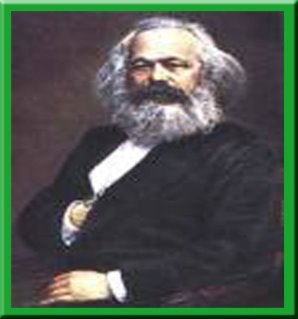
လူ႕အဖြဲ႕အစည္းတခုရဲ႕ ျမင့္မားတိုးတက္မွဳကို ေႏွာင့္ေႏွးထိခိုက္ေစတဲ့ ေနာက္ထပ္ အေတြးအေခၚတခုကေတာ့ လက္ေတြ႕လုပ္ငန္းတာ၀န္ ထမ္းေဆာင္ေနသူမ်ားရဲ႕ သေဘာတရားေရးရာ ေလ့လာသူမ်ားကို အဆိုးျမင္အေတြးအေခၚပဲ ျဖစ္ပါတယ္။ သေဘာတရားေတြ၊ သီအိုရီေတြဆိုတာကလဲ ေလ့လာသူေတြက ထင္ရာျမင္ရာ ေတြးျပီး ေရးခ်င္ရာ ေရးေနၾကတာ မဟုတ္ပါ။ ေလ့လာသုေတသနျပဳျပီးမွ ေရးသားၾကတာ ျဖစ္ပါတယ္။ အဲဒီမွာမွ အေတြးအေခၚအရ၊ အျမင္အရ၊ ေျပာင္းလဲမွဳအေျခအေနေတြအရ မတူညီတဲ့ ရွဳေထာင့္ေတြေပၚ မူတည္ျပီး ေဖာက္ထြက္ေတြးေတာရင္း သေဘာတရားအသစ္ေတြပါ ထပ္မံ ေပါက္ဖြားလာတာေတြလဲ ရွိတတ္ပါတယ္။ ကမၻာ့သမိုင္းသစ္ကို ေသြးနဲ႕ ေရးထားခဲ့တဲ့ အရင္းရွင္ေတာ္လွန္ေရးၾကီးရဲ႕ အျမဳေတဟာ လန္ဒန္မွာ စာေတြထိုင္ဖတ္၊ ထိုင္ေရးေနခဲ့တဲ့ Karl Marx ရဲ႕ ကြန္ျမဴနစ္ေၾကညာစာတမ္းနဲ႕ အရင္းက်မ္းေၾကာင့္လို႕ ဆိုရင္ ဘယ္သူမွ မျငင္းႏိုင္ပါဘူး။ ဒီလိုပါပဲ။ လီနင္ဆိုတဲ့ ေတာ္လွန္ေရးေခါင္းေဆာင္ ရွိရံုနဲ႕လဲ ေတာ္လွန္ေရး ၾကီးဟာ ျပီးျပည့္စံုခဲ့တာ မဟုတ္ပါဘူး။ လူထုရဲ႕ စိတ္ႏွလံုးကို ႏွိဳးဆြေပးႏိုင္မယ့္ စာေရးဆရာ ေဂၚကီကလဲ သူ႕ေနရာနဲ႕သူ တာ၀န္ေက်ခဲ့တာ ျဖစ္ပါတယ္။ Karl Marx တို႕၊ ေဂၚကီတို႕ကလဲ ေတာ္လွန္ေရးေခါင္းေဆာင္ေနရာကို မေတာင္းဆိုခဲ့သလို လီနင္ကလဲ မဆီမဆိုင္ Karl Marx ကို လက္ေတြ႕မပါတဲ့ သေဘာတရားေရးသမားၾကီးလို႕ ေျပာေနခဲ့တာ မဟုတ္ပါဘူး။ သေဘာတရားထဲက သူလိုအပ္မယ္ထင္တဲ့ လက္ေတြ႕လုပ္ငန္းစဥ္ေတြကို သူ႕ဘာသာသူ ေရြးခ်ယ္ထုတ္ႏွဳတ္ျပီး ခ်မွတ္သြားခဲ့ပါတယ္။ ကိုယ္လုပ္ႏိုင္တာ ကိုယ္လုပ္ခဲ့ၾကတာပါပဲ။
ဘယ္လိုပဲ ျဖစ္ျဖစ္ သေဘာတရားမပါတဲ့ လက္ေတြ႕နဲ႕ လက္ေတြ႕မပါတဲ့ သေဘာတရားႏွစ္မ်ိဳးစလံုးဟာ ေအာင္ပြဲနဲ႕ လြဲတတ္တယ္ ဆိုတာကေတာ့ အေသအခ်ာပါပဲ။
ဒါေၾကာင့္ သေဘာတရားနဲ႕ လက္ေတြ႕ကို စနစ္တက် ေပါင္းစပ္ဖို႕ လိုအပ္လွပါတယ္။ ဒီေနရာမွာလဲ သေဘာတရားတိုင္းဟာ လက္ေတြ႕နဲ႕ နီးစပ္ခ်င္မွ နီးစပ္မွာပါ။ အခ်ိန္ကာလ၊ ေနရာေဒသနဲ႕ မကိုက္ညီတာေတြလဲ ရွိတတ္စျမဲပါ။ လက္ေတြ႕နဲ႕ ကိုက္ညီမယ့္ လုပ္နည္းလုပ္ဟန္ေတြကို ေရြးခ်ယ္ ထုတ္ႏွုတ္ အသံုးျပဳတတ္ဖို႕က လက္ေတြ႕သမားဆိုသူမ်ားအတြက္ အလြန္ အေရးၾကီးပါတယ္။
ဒီလိုမဟုတ္ပဲ စာေတြ႕၊ လက္ေတြ႕ဆိုျပီး ခြဲျခားဆက္ဆံေနၾကလို႕ကေတာ့ အခ်င္းခ်င္း အျငင္းပြားရင္း တစ္နဲ႕ တစ္ေပါင္းျပီး ႏွစ္ျဖစ္ရမယ့္အစား တစ္နဲ႕ တစ္ ဆန္႕က်င္ဘက္ေတြ႕႔ျပီး သုညျဖစ္သြားတာပဲ အဖတ္တင္က်န္ရစ္မွာ ျဖစ္ပါတယ္။
မတူညီကြဲျပားတဲ့ အျမင္ေတြ၊ ခံယူခ်က္ေတြကို တခုတည္းျဖစ္ေအာင္ အတင္းအၾကပ္ လိုက္လံစည္းရံုးတာ၊ အုပ္စုဖြဲ႕ျပီး သင္းကြဲကို လိုက္လံတိုက္ခိုက္တာေတြဟာ အရည္မရ၊ အဖတ္မရ အလုပ္ေတြပဲ ျဖစ္ပါတယ္။ မတူညီမွဳထဲကေန ဘံုအက်ိဳးစီးပြားကို ရွာေဖြ ေဖာ္ထုတ္ျခင္း၊ အေပးအယူျပဳ ညွိႏွိဳင္းျခင္း၊ ကိုယ့္တာ၀န္ ကိုယ္ေက်ျပြန္ျခင္း တို႕နဲ႕သာ တိုးတက္တဲ့ လူ႕ေဘာင္သစ္၊ ႏိုင္ငံေတာ္သစ္ကို တည္ေဆာက္ႏိုင္မွာ ျဖစ္ပါေၾကာင္း။
ခင္မမမ်ိဳး (၁၊ ၆၊ ၂၀၁၀)
On Politics and Violence: Is Violence an Important Instrument in Politics? (Essay)
Saturday, May 22, 2010
Introduction
The persistent rise of political violence is a very disturbing trend against peace and prosperity in different parts of the world. For historians and anthropologists, political violence is seen as related to movements of social protests against established powers. For political scientists, political violence is seen as related to the often violent response of the state to challenges of social protests. For economists, political violence is seen as related to failures of the state to maintain the monopoly of coercion and force by the state Despite of their different views, there has been a long history of political violence in the world along with the increasing trend of the number of victims, the magnitude of devastation and the new technologies of destruction. With the proliferation of political violence, the problems of violence underpins modern understandings in politics. Violence has been seen as the essence of politics by some political scientists and philosophers. On the other hand, some scholars keep the two clearly apart and set politics up as antithetical to violence. In this essay, I would like to analyse whether violence is an important instrument in politics by exploring the works of political theorists and analysing case studies in a modern world.
Traditional Thinking on Politics and Violence
In his writings of 'Leviathan', Thomas Hobbes depicted the pre-political 'state of nature' as a place of violence, where endeavours to destroy or subdue one another, making life solitary, short and nasty. He clearly demonstrates the relationship between violence and political power by arguing that the power of the artificial body that can satisfactorily achieve this domination must be centred on the power of the sword .
Max Weber also claimed a monopoly over the legitimate use of violence. According to his theory, political action is the domination of the territory by using violence as a legitimate means. He clearly states the relationship between violence and political organizations by arguing as “In addition to the fact that violence is (at least also) used to guarantee 'order', a distinguishing feature of the political group is that it claims power over its administrative staff and its rule in a particular area and guarantees it by force […] in this respect they must be regarded as political organizations .”
By taking the steps of Hobbes and Weber, numerous political theorists and thinkers look at politics from the view point of state organizations. On the other hand, some thinkers also focus on revolutionary violence by looking at politics from the view point of the oppressed people. In the doctrine of Marxism, the violence of the political economic domination and exploitation of the working class by the capitalist state must and will be resisted and eventually overthrown by concerted, and violent, action by the revolutionary working class.
Fanon's Theory
Fanon asserts a new liberationist form of politics that is free of violence by attacking the liberal parliamentary form of party politics that purports to eschew violence, but cannot. He also attacks the realist account, which associates politics with violent domination, and argues for the justification of violent resistance. Although his ideas were profoundly influenced by Karl Marx, Fanon departs most sharply from Marx in his understanding of the functions of violence in the revolutionary process.
For Marx, violence was not the key factor in his analysis of revolution. He expects violence to be a part of the revolutionary process, however, he doesn't consider it as historically necessary. Unlike Marx, Fanon argued that violence was indispensable in the decolonization process, a categorical imperative, without which one could not talk of revolution - or at least one could only talk of it.
In his essay titled “Toward the Liberation of Africa,” he states: “Violence alone, committed by the people, violence organized and educated by its leaders, makes it possible for the masses to understand social truths and gives the key to them. Without that struggle, without that knowledge of the practice of action, there is nothing save a minimum of re-adaptation, a few reforms, at the top, a flag waving: and down there at the bottom an undivided masses still living in the middle ages, endlessly marking time” . He clearly implies that violence is inevitable and suggests that violence is the only way 'the wretched of the earth '; political and economic structures of exploitation and oppression are embodied in rage and resentment, and finally in pathologies of body and mind; can be free. To the contrary, Arendt sees the fundamental assumptions of Fanon's theories of politics and revolutionary change as mistaken.
Arendt's Theory
Arendt looks the relationship between violence and politics by taking alternative views. She thinks the arguments of 'violence as the ultimate power' in Hobbes to Weber's accounts, 'war as politics continued by other means in Clausewitz's account and power as growing out of the barrel of a gun in Mao's account are based on a fundamental confusion between political action and fabrication.
For Arendt, unlike fabrication, action does not encompass bringing an envisaged product into being and violence is only ruled by means-end reasoning. She writes that “The end of human action, as distinct from the end products of fabrication, can never be reliably predicted. The means used to achieve political goals are more often than not of greater relevance to the future world than the intended goals”
Arendt also opposes the kind of straightforwardly instrumentalist reasoning about uses of violence associated with realist political thinkers. Moreover, she argues against the idea that violence is natural for human beings due to human biological nature. However, she also identifies the two contexts in which violence is presented as justifiable such that it may be justified as a response to extreme injustice ; and it may be justified insofar as it opens up the space for politics . For Arendt, the use of non-violence as a tactic requires, as its pre-requisite, that there already be some space of politics and therefore for power. Thus, violence would be necessary in order to make politics possible in the face of a pure anti-political regime. However, she also warns that with violence, there is a danger that the means will overwhelm the end.
Case Study: The break-up of Yugoslavia
In 1989, Yugoslavia indicated gestures to build formal links with the EC and the commission responded in 1990 with a package of arrangements, including PHARE eligibility. However, the progress was blocked by Belgrade's difficulties with the need for open, multi-party federal elections. By 1991, the prospect of federal election became impossible and in June, 1991, Croatia and Slovenia declared themselves as independent states. In response to these declarations, Yugoslav Federal forces moved into Croatia and eventually into Bosnia-Herzegovina. Despite of mediation efforts by EC, heavy fighting broke out in Slovenia in the spring.
In January, 1992, Germany managed to persuade its EC colleagues to agree to the conditional recognition of the independence of Croatia and Slovenia. This recognition indirectly opened up the question of Bosnia's future. Unlike Croatia and Slovenia, any referendum on Bosnia's independence led to division along ethnic lines due to the highly complex ethnic structure of the republic. Later, in 1993, the UN Security Council had to adopt Resolution 816, which permitted the use of force in cases of violation of the airspace in the face of persistent violations of the military flight ban over Bosnia-Herzegovina.
In Yugoslavia, it was inherited traditions of ethnic nationalism which contributed to the collapse of the state. Ethnic nationalism rests on a conception of inherited characteristics that necessarily excludes some individuals and groups from any multi-ethnic community and offers no real prospect of effective democratization . In fact, the prevalence of ethnic nationalism in Yugoslavia prepared the way for the bloody breakup of the state and the restricted prospects for liberal democracy associated with it.
Due to the break-up of the state, more than two hundred thousands of civilians were killed in Bosnia and Croatia. Tens of thousands of women were raped, some of them more than a hundred times, while their sons and husbands were beaten and tortured in concentration camps like Omarska and Manjaca. Millions lost their homes due to a process called "ethnic cleansing." These examples show the relationship between politics and violence in terms of 'ethnic violence' , which centers on state breakdown, anarchy, and the security dilemma that such conditions pose to ethnic groups who engage in defensive arming to protect their lives and property against ethnic rivals, which then stimulates arming by other ethnic groups like an arms race between states.
Case Study: Algeria
The ruling Algerian regime opened up the political system in 1989 and during the process of democratization, the ascendancy of the Islamic Salvation Front (FIS) challenged the very nature of the Algerian state. Then the FIS emerged as the principal political movement in the country and was poised to take power after a landslide victory in the first round of the 1991 legislative elections. However, the Army intervened in the political process and the authoritarian rule was re-instated. FIS was banned and its members imprisoned. As a result, a significant number of Islamist militants took up arms against the regime and a civil conflict ensued.
The Algerian war caused more than 150,000 casualties and was characterized by unspeakable brutality. The military junta accused the insurgents of “terrorism”, while the Islamist groups accused the security forces and their political supporters of “state terrorism” against the free will of the Algerian people who had expressed their preference for Islamism at the polls . The civil violence affecting Algeria was largely interpreted as the inevitable outcome of the confrontation between the secular and liberal values of many within Algerian society and the inherent anti-democratic and violent nature of political Islam.
From the very beginning of the conflict, “the Algerian government invoked the legitimacy of the struggle against terrorism to erase all the political aspects on the crisis in Algeria” and fought the insurgents in the name of defending the values of democracy, secularism, and enlightenment. However, upon closer inspection, it became clear that the generals charged with derailing the democratic process and fighting the insurgents mostly acted to achieve personal political survival and material privileges. This does not mean that genuine concerns about the FIS were not widespread, particularly among the secular and liberal sectors of civil society. In fact, many of its most prominent representatives supported the Army's crackdown.
In fact, the political violence in Algeria had clear antecedents in the war of national liberation waged by the FLN against the French in the 1950s. The Algerian war for independence began in 1954 and ended in 1962 when French President Charles De Gaulle pronounced Algeria an independent country on July 3. During this War of Independence, the FLN (which later came to be seen as a secular, socialist-oriented party) used religion as a way to acquire political legitimacy and used violence to achieve its goals. The anti-colonial struggle was labelled a jihad, and the prerequisite for those who wanted to acquire positions of power after independence in 1962 was to have been a wartime mujahid. The use of violence to gain national independence in Algeria clearly shows the relationship between violence and politics.
Conclusion
The conceptions of the relationship between violence and politics usually fall at the two extremes of the claim that 'politics and violence are essentially the same' on one end of spectrum and the claim that 'politics does not involve violence at all' at the other spectrum. Traditional thinkers interpreted violence as an important instrument of political power. Alternatively, Fanon asserts violence as an essential instrument of national liberation struggles. In contrast, Arendt views violence as a danger that the means will overwhelm the end. According to the case studies, it is obvious that violence has been used by ethnic nationalists and revolutionaries as an important instrument in politics.
Khin Ma Ma Myo (2010)
End Notes
1. Solimano, A. (2004) 'Political Violence and economic development in Latin America: issues and evidence', Macroeconomic del desarrollo series, UN Publications, Santiago, pp. 4
Hobbes, T. (1996[1651]) Leviathan, Cambridge, Cambridge University Press, pp. 116-121
Weber, M. (1978[1921]) Economy and Society, Berkelye, C.A, University of California Press, pp. 55
Marx, K. (1978 [1875]) Critique of the Gotha Programme, London, Progress Publishers
Frazer, E. & Hutchings, K. (2008) 'On Politics and Violence: Arendt Contra Fanon', Contemporary Political Theory, No. 7, pp. 90–108
Fanon, F. (1967) Toward the Liberation of Africa, New York, Monthly Review Press, pp. 118
Fanon, F. (2001 [1961]) The Wretched of the Earth (Preface by J-P Sartre (trans.) Constance Farrington). Harmondsworth: Penguin Books, pp. 200
Arendt, H. (1973) 'On Violence' in Crises of the Republic, Harmondsworth: Penguin Books.
Arendt (1973) pp.64
Arendt (1973) pp. 79
Duke, S. (2000) The Elusive Quest for European Security: From EDC to CFSP, London, Macmillan Press
Ferdinand, P. (1997) 'Nationalism, community and democratic transition in Czechoslovakia and Yugoslavia” in Potter, D., Goldblatt, D. (eds.) Democratization, Milton Keynes, Polity Press
Oberschall, A. (2000) 'The manipulation of ethnicity: from ethnic cooperation to violence and war in Yugoslavia, Ethnic and Racial studies, 23 (6), November 2000, pp.982-1001
Hafez, M. (2003) Why Muslims Rebel; repression and resistance in the Islamic world, Boulder, Lynn Rienner
Benchikh, Algérie, M.( 2003) Un pouvoir politique militarisé, Paris, Ed. L’Harmattan
Bencherif, O.(1995), ‘Algeria Faces the Rough Beast’, Middle East Quarterly, Vol. 2, No. 4, 1995. Available on-line at: http://www.meforum.org/meq/issues/199512 (accessed on 11/5/2010)


သီခ်င္းမ်ား
Wednesday, May 12, 2010
စကားလံုး အႏွစ္သာရ အလြန္ေကာင္းမြန္တဲ့ သီခ်င္းေလးေတြပါ။ သီခ်င္းေရးသူ၊ ဆိုသူေတြနဲ႕ စီစဥ္သူ ကရင္နီ ေတာ္လွန္ေရး ရဲေဘာ္ၾကီးမ်ားကို အထူးပဲ ေက်းဇူးတင္ပါတယ္။
(www. youtube.com)
သားေလးသို႕ ေပးစာမ်ား: ေပးစာ (၁)- ေငြေၾကး (Money) ဆိုရာ၀ယ္
Monday, May 10, 2010

သားေလးဖိုးေကာင္းေရ။
ဒီေန႕ညေန ေမေမတို႕ႏွစ္ေယာက္ လမ္းေလွ်ာက္ထြက္ၾကျပီး အျပန္မွာ သားေလးစားဖို႕ မုန္႕၀င္၀ယ္ ေနတုန္း သားေလး အမွတ္မထင္ လုပ္လိုက္တဲ့ အျပဳအမူေလးဟာ ေမေမ့အတြက္ တာ၀န္သစ္တခုကို သတိေပးႏွိဳးေဆာ္လိုက္သလို ျဖစ္သြားခဲ့တယ္။ သားေလးစားဖို႕ မုန္႕ကို ျခင္းေတာင္းေလးထဲထည့္ျပီး ေကာင္တာမွာ ေငြရွင္းမယ္လုပ္ေတာ့ ေမေမ့သားေလးက ေမေမ့ အိတ္ထဲက ပိုက္ဆံကို ႏွိဳက္ယူျပီး Money, Money လို႕ ေအာ္ရင္း အေရာင္းစာေရးကို လွမ္းေပးလိုက္တယ္ေနာ္။ ရုတ္တရက္မို႕ ေမေမ အံ့ၾသသြားခဲ့တယ္။ ေနာက္ေတာ့မွ သားေလးလဲ သံုးႏွစ္ေက်ာ္လာျပီ၊ ေငြကို ကိုယ့္ဘာသာ ကိုင္တြယ္ သံုးတတ္ခ်င္လာျပီဆိုတာကို ရိပ္စား မိလိုက္တယ္။
သားေပါက္စေလးလို႕ ေမေမ အျမတ္တႏိုးေခၚတတ္တဲ့ သားေလးဟာ ေမြးကင္းစတုန္းကလို ေပါက္စေလး မဟုတ္ေတာ့ပဲ လူ႕အဖြဲ႕အစည္းၾကီးထဲက ရွင္သန္ေနထိုင္နည္းေတြကို ေလ့လာ သင္ယူေနသူ တေယာက္ ျဖစ္လာျပီဆိုတဲ့ အသိဟာ ေမေမ့ပခံုးေပၚကို တာ၀န္သစ္တခု ခ်ေပးလိုက္သလိုပါပဲ။ လူတေယာက္ဟာ သူက်င္လည္ျဖတ္သန္းေနတဲ့ ေခတ္တေခတ္ရဲ႕ သမိုင္းေၾကာင္းနဲ႕ ႏိုင္ငံေရး၊ စီးပြားေရး၊ လူမွဳေရး အေျခအေနေတြကို သိျမင္နားလည္ထားရမယ္ တဲ့။ ဒီစကားကို ေမေမ့ ဖိုးဖိုးၾကီးက ေျပာခဲ့ဖူးတယ္။ ဒါေၾကာင့္လဲ ေမေမ သံုးႏွစ္ အရြယ္ ေရာက္တာနဲ႕ ျမန္မာ့သမိုင္း၊ ကမၻာ့သမိုင္း၊ ႏိုင္ငံေရး၊ စီးပြားေရး ေတြကို ဖိုးဖိုးက စျပီး ေျပာျပခဲ့ဖူးတယ္။ ဖိုးဖိုးရဲ႕ လက္ကို အမိအရဆြဲျပီး ျခံထဲမွာ လမ္းေလွ်ာက္ထြက္ရင္း ၾကားခဲ့ဖူးတဲ့ စကားေတြကို အကုန္ မမွတ္မိခဲ့ေပမယ့္ ဘ၀ေက်ာင္းေတာ္ၾကီးတခုရဲ႕ သင္ခန္းစာေကာင္းေလးေတြလို႕ သတ္မွတ္ရင္း ဒီအခ်ိန္ေလးေတြကို လြမ္းဆြတ္ေနဆဲပဲ။ ဒီတုန္းက ဖိုးဖိုးေျပာခဲ့တဲ့ စကားေတြအားလံုးကို မွတ္မိခ်င္လိုက္တာ။
ဘယ္လိုပဲ ျဖစ္ျဖစ္ ေမေမ့သားေလးကိုေတာ့ ေနာင္တခ်ိန္က်မွ ေမေမ့တုန္းကလို ျပန္မွတ္မိခ်င္တဲ့ စိတ္ေလး မေပၚလာရေအာင္ စကားအေနနဲ႕လဲ ေျပာရင္း၊ ေပးစာေလးေတြအေနနဲ႕လဲ ေရးထားခဲ့မယ္ေနာ္။ ေမေမ ေျပာေနတာေတြအားလံုးကို အခု အခ်ိန္မွာ သားေလး နားလည္ခ်င္မွ နားလည္မွာပါ။ ဒါေပမယ့္ တခ်ိန္မွာ သားေလးရဲ႕ စာဖတ္စြမ္းရည္၊ အသိတရားေတြ အသက္အရြယ္နဲ႕ အတူ ၾကီးျမင့္လာတဲ့အခါ ေမေမ့ေပးစာေလးေတြကေန ဗဟုသုတ တစံုတရာေလးကို သားေလး ရယူႏိုင္လာလိမ့္မယ္လို႕ ေမေမ ေမွ်ာ္လင့္ မိပါတယ္။
ပထမဆံုးအေနနဲ႕ သားေလး ညေနတုန္းက ေျပာလိုက္တဲ့ Money ဆိုတဲ့ အေၾကာင္းကို ေမေမ ေျပာျပမယ္ေနာ္။
ေငြေၾကး (Money) ဆိုတာ
ေဘာဂေဗဒ ပညာရွင္ေတြကေတာ့ ေငြဆိုတာ ဘာလဲ လို႕ ေမးလာရင္ ေငြရဲ႕အလုပ္ကို လုပ္တဲ့ အရာမွန္သမွ်ဟာ ေငြပဲ လို႕ ေျဖတတ္ေလ့ရွိၾကတယ္။ ေလာကမွာ လူေတြေကာ၊ ရုပ္၀တၳဳ ပစၥည္းေတြေကာမွာ သူ႕အလုပ္နဲ႕သူ ရွိၾကတယ္ သားေလးရဲ႕။ ဆရာ၀န္ၾကီးက ေဆးကုတဲ့ အလုပ္ကို လုပ္တယ္၊ စာပို႕သမားၾကီးက စာေ၀တယ္၊ ဆရာမၾကီးက စာသင္တယ္။ အ၀တ္ေလွ်ာ္စက္ၾကီးက အ၀တ္ေတြကို သန္႕စင္ေပးတယ္။ တကယ္ေတာ့ လူေတြေကာ၊ ပစၥည္းေတြေကာမွာ တာ၀န္ကိုယ္စီ ရွိေနၾကတာပါပဲ။ ဒီေတာ့ ေငြရဲ႕ အလုပ္ကို လုပ္တာက ေငြပဲဆိုရင္ ဒီေငြရဲ႕ အလုပ္က ဘာေတြလဲ ဆိုတာ ၾကည့္ၾကရေအာင္။
ေငြေၾကးရဲ႕ လုပ္ငန္းတာ၀န္ေတြမွာ သံုးမ်ိဳးသံုးစား ရွိတယ္။ ပထမတမ်ိဳးက ကုန္ပစၥည္းေတြ ဖလွယ္ဖို႕အတြက္ ၾကားခံ အရာ၀တၳဳအေနနဲ႕ သံုးတာ၊ ဒုတိယ တမ်ိဳးက တန္ဖိုး သိုေလွာင္ရံုအေနနဲ႕ သတ္မွတ္တာျဖစ္ျပီး တတိယတမ်ိဳးကက်ေတာ့ တန္ဖိုးတြက္ခ်က္တိုင္းတာမွဳယူနစ္ တခုအေနနဲ႕ အသံုးျပဳတာေတြပါ။
ေငြေၾကးအား ကုန္ပစၥည္းဖလွယ္ေရး ၾကားခံအရာ၀တၳဳ အေနျဖင့္ အသံုးျပဳျခင္း
ေငြဆိုတာကို လူေတြက ရွာေဖြတတ္ၾကပါတယ္။ ဒါေပမယ့္ ဒီေငြေတြနဲ႕ ဘာကိုမွ မ၀ယ္ယူႏိုင္ေတာ့ဘူး ဆိုရင္ ဒီေငြေတြဟာ စကၠဴေတြ၊ ကစားစာရာ သံျပားေတြ ျဖစ္ကုန္မွာပါ။ လူသူမရွိတဲ့ ကၽြန္းတကၽြန္းမွာ လိုခ်င္တဲ့ ပစၥည္းတခုကို ေငြေတြဘယ္ေလာက္ပံုျပီး ေပးေပး၊ သားေလး ရေအာင္ မယူႏိုင္ပါဘူး။ အုန္းေရ ေသာက္ခ်င္ရင္ သားေလးဘာသာ အုန္းသီး ခူးရမွာပါ။ ဒါေပမယ့္ ဒီကၽြန္းေပၚမွာ လူေတြက ရင္းႏွီးျမွဳပ္ႏွံမွဳေတြ လုပ္ျပီး ဟိုတယ္ေတြဖြင့္လာရင္ေတာ့ သူတပါး ပိုင္နက္ထဲက အုန္းသီးကို သားေလး သြားခူးလို႕ မရေတာ့ဘူး။ အုန္းေရေသာက္ဖို႕ ေငြကို အသံုးျပဳရေတာ့မွာပဲ။ ဒါေၾကာင့္ ေငြဆိုတာ လူေတြရဲ႕ အဆံုးသတ္ လိုအပ္ခ်က္လို႕ မဆိုႏိုင္ပါဘူး။ တျခားကုန္ပစၥည္းေတြကို ရယူဖို႕အတြက္ ေငြကို ၾကားခံအရာ၀တၳဳ အေနနဲ႕ အသံုးျပဳၾကရတာပါ။ ဒီေနရာမွာ တျခားကုန္ပစၥည္းေတြကို ရယူသံုးစြဲလိုစိတ္ မ်ားလာေလေလ၊ ေငြကို ရွာေဖြၾကရေလေလပါပဲ။
ခုခ်ိန္မွာေတာ့ သားေလးက ေမေမ ေပးတာယူ၊ ေကၽြးတာစားျပီး မွီခိုသူဘ၀ဆိုေတာ့ လိုခ်င္ရင္ေတာင္းဖို႕၊ ေမေမ့အိတ္ထဲက ႏွိဳက္ယူဖို႕ပဲ သိတဲ့ ပီဘိကေလးငယ္ေလးေပါ့။ တခ်ိန္ သားေလး အရြယ္ေရာက္လာျပီး ကိုယ့္ေျခေထာက္ေပၚ ကိုယ္ရပ္ႏိုင္လာတဲ့ အခါက်ရင္ေတာ့ သားေလး လိုခ်င္တာေတြကို ဘယ္လိုရေအာင္ယူမလဲ ဆိုတဲ့ နည္းလမ္းေတြကို သားေလး ရွာေဖြ တတ္လာမွာပါ။ အဲဒီအခါက်ရင္ အရာရာကို မစြမ္းေဆာင္ႏိုင္ေပမယ့္ မရွိမျဖစ္လဲ အေရးပါလွတဲ့ ေငြေၾကးဆိုတာကို သားေလး ရွာခ်င္လာလိမ့္မယ္။ ဒီလိုရွာရင္း ေငြရဲ႕ ေက်းကၽြန္ျဖစ္သြားသူေတြလဲ လူ႕ေလာကမွာ အမ်ားၾကီးပါပဲ။ ေက်းကၽြန္မျဖစ္ပဲ ေငြေၾကးကို ေကာင္းေကာင္းမြန္မြန္ စီမံခန္႕ခြဲႏိုင္သူေတြလဲ အမ်ားၾကီးပါပဲ။ တခ်ိန္မွာေတာ့ ေငြေၾကးဆိုတာကို စီမံခန္႕ခြဲတဲ့ နည္းလမ္းေတြကို ေမေမသင္ေပးပါမယ္။ ခုဆက္ျပီး ေငြေၾကးကို ၾကားခံ အရာ၀တၳဳ တခုအေနနဲ႕ သံုးတဲ့ ေနရာမွာ မရွိမျဖစ္ နားလည္ သင့္တဲ့ ဘာတာစနစ္ အေၾကာင္းကို ေမေမေျပာျပမယ္ေနာ္။
ကုန္ပစၥည္း ဖလွယ္မွဳကေန အက်ိဳးအျမတ္ရွာတယ္ဆိုတာက လူေတြရဲ႕ သဘာ၀ပါ။ ေရွးတုန္းကေတာ့ ကိုယ္မလိုအပ္တဲ့ ပစၥည္းကို ကိုယ္လိုတဲ့ ပစၥည္းနဲ႕ လဲလွယ္အသံုးျပဳၾကတာေတြ လုပ္ၾကပါတယ္။ မုဆိုးက ငါးစားခ်င္တယ္၊ တံငါသည္က အသားစားခ်င္တဲ့အခါ မုဆိုးနဲ႕ တံငါသည္ေတြ အသားနဲ႕ ငါးကို လဲၾကသလိုမ်ိဳးပဲေပါ့။ ပညာရွင္ေတြကေတာ့ ဒါကို ဘာတာ စနစ္လို႕ ေခၚၾကတယ္။ ဒါေပမယ့္ ဒီလိုလဲလွယ္တာေတြမွာ ျပႆနာေတြက ရွိေနတတ္တယ္။ ၾကီးမားတဲ့ ျပႆနာၾကီး တမ်ိဳးကေတာ့ တိုက္ဆိုင္မွဳေပါ့။ တံငါသည္က အသားစားခ်င္ခ်ိန္မွာ မုဆိုးကလဲ ငါးကုိ စားခ်င္ဦးမွကိုး။ ဒီလိုပဲ မုဆိုးက ငါးစားခ်င္ခ်ိန္မွာလဲ တံငါသည္က အသားစားခ်င္ဦးမွ အလဲအလွယ္ဆိုတာ ျဖစ္လာမွာေပါ့။ ဒီလို double coincidence ျဖစ္ႏိုင္ဖို႕ ဆိုတာကလဲ အေတာ္ခဲယဥ္းတတ္တာကလား။ ဒီေတာ့ လူေတြဟာ ကိုယ္ေပးခ်င္တဲ့ ပစၥည္းကို သူက လိုခ်င္ဖို႕နဲ႕ ကိုယ္လိုခ်င္တဲ့ ပစၥည္းကလဲ သူ႕ဆီမွာ ရွိဖို႕အတြက္ အေတာ္ၾကိဳးပမ္းၾကရတယ္။ ဒီလိုနဲ႕ ဒီျပႆနာကို ေက်ာ္လႊားဖို႕ နည္းလမ္းရွာၾကရင္း ကုန္ပစၥည္း ဖလွယ္လိုသူေတြကို ေတြ႕ဆံုေပးႏိုင္မယ့္ ဆံုရပ္ျဖစ္တဲ့ ေစ်းကြက္ ဆိုတာကို ဖန္တီးလာၾကတယ္။
ဒီလို market innovations ေတြ စလာတဲ့ အခါမွာလဲ တျဖည္းျဖည္းနဲ႕ ျပႆနာေနာက္တခုက ေပၚလာျပန္တယ္။ တန္ဖိုး ဆိုတာပါပဲ။ မုဆိုးပစ္ခတ္ဖမ္းလာတဲ့ ေတာ၀က္တေကာင္နဲ႕ တံငါသည္ရဲ႕ ငါးဘယ္ႏွစ္ေကာင္က တန္ဖိုးခ်င္း ညီမွ်သလဲ။ သစ္ေတာ္သီး တလံုးနဲ႕ ပန္းသီး ဘယ္ႏွစ္လံုးက တန္ဖိုးခ်င္း ညီမွ်သလဲ စတာေတြေပါ့။အဲဒီကေန ကုန္ပစၥည္းေတြကို ၾကားခံ အရာ၀တၳဳ အေနနဲ႕ ဖလွယ္ေပးႏိုင္မယ့္ ေငြေၾကးဆိုတာကို စတင္ ေတြ႕ရွိလာခဲ့ၾကတယ္။ ေငြေၾကးဟာ ကုန္ပစၥည္း ဖလွယ္မွဳဆိုင္ရာ ျပႆနာေတြကို ေျဖရွင္းေပးႏိုင္တယ္။ ကုန္ပစၥည္းဖလွယ္တဲ့အခါမွာ အေရာင္းအ၀ယ္ ဆိုတာက ပါလာတယ္။ ဒီေတာ့ ႏွစ္ဘက္စလံုးကေန ဘာကို ဘယ္ေလာက္နဲ႕ ဘယ္လို စည္းမ်ဥ္းသတ္မွတ္ခ်က္ေတြ ထားျပီး ေရာင္းမယ္၊ ၀ယ္မယ္ ဆိုတာကို ေသေသခ်ာခ်ာ ဆန္းစစ္ ေရြးခ်ယ္ႏိုင္လာခဲ့တယ္။ ဒီေတာ့ မုဆိုးက ေတာ၀က္တေကာင္ကို ငါးေျခာက္ေကာင္နဲ႕ လဲရတာမ်ိဳး မဟုတ္ေတာ့ပဲ ေတာ၀က္ကို ေရာင္းျပီး ငါးသံုးေကာင္နဲ႕ ပန္းသီးေျခာက္လံုး ၀ယ္ႏိုင္တာမ်ိဳး ျဖစ္လာတယ္။ အဲဒီမွာမွ ပိုက္ဆံက ပိုေနေသးရင္ ေနာင္တခ်ိန္မွာ အသံုးျပဳဖို႕ သိမ္းဆည္းထားႏိုင္လာတယ္။ ဒီလို သိုေလွာင္သိမ္းဆည္းထားႏိုင္မွဳဟာ ေငြေၾကးရဲ႕ ဒုတိယ လုပ္ငန္း တာ၀န္ပဲ ျဖစ္ပါတယ္။
ေငြေၾကးအား တန္ဖိုးသိုေလွာင္ရံုအျဖစ္ အသံုးျပဳျခင္း
ကုန္ပစၥည္း သိုေလွာင္ရတာဟာ ေငြေၾကးကို သိမ္းဆည္းထားရတာထက္ ပိုျပီး ကုန္က်စရိတ္ၾကီးတယ္၊ အဆင္မေျပမွဳ ပိုမ်ားတယ္၊ ပစၥည္းတန္ဖိုး ေလ်ာ့က်မွဳကို ကာကြယ္ေပးႏိုင္တယ္။ ဒီလို ဆိုလိုက္လို႕ ေငြကိုပဲ သိမ္းဆည္းထားရမယ္လို႕ေတာ့ တရားေသ မမွတ္ထားပါနဲ႕။ စီးပြားေရး လုပ္ငန္းေတြ လုပ္တဲ့ အခါက်ရင္ေတာ့ ေငြကို အအိပ္မခံပဲ အျမတ္အစြန္း ၾကီးႏိုင္မယ့္ ကုန္ပစၥည္းေတြကို အခ်ိန္အခါနဲ႕အညီ သိုေလွာင္သိမ္းဆည္းထားရတာေတြ ရွိမွာပါ။ ဒါက ေစ်းကြက္ အေျခအေနေပၚမွာ မူတည္ပါတယ္။ ေမေမဆိုလိုတာက လူေတြ ေငြေၾကးကို တန္ဖိုးသိုေလွာင္ရံုအေနနဲ႕ အသံုးျပဳတာကို ဆိုလိုတာပါ သားေလးေရ။
Monetary economy ဟာ Barter Economy ထက္ ပိုျပီး အားေကာင္းေစတဲ့ အခ်က္ကေတာ့ လူေတြဟာ ကုန္ပစၥည္းကို တေနရာမွာ ေရာင္းျပီးရင္ ရရွိတဲ့ ေငြေၾကးကို တန္ဖိုးသိုေလွာင္ရံု တခုအေနနဲ႕ သတ္မွတ္သိမ္းဆည္းထားျပီး ေနာက္ေနရာတခုက်မွ အသံုးျပဳလို႕ ရတာမ်ိဳးပဲ ျဖစ္ပါတယ္။ ဒီေငြေၾကးကို လက္ခံအသံုးျပဳတဲ့ နယ္ေျမက်ယ္ျပန္႕လာေလေလ၊ ဒီေငြေၾကးကို ကိုင္တြယ္ အသံုးျပဳႏိုင္သူေတြအတြက္ အက်ိဳးရွိလာေလေလပါပဲ။ ဒီေတာ့ ေငြေၾကးဆိုတာကို လူအမ်ားက လက္ခံ အသံုးျပဳလာေအာင္ ၾကိဳးပမ္းလာၾကရျပန္ပါတယ္။ အဲဒီမွာ ေငြေၾကးအျဖစ္ လူေတြက လက္ခံ သံုးစြဲတဲ့ ပစၥည္းေတြရဲ႕ အမ်ိဳးအစားေတြကလဲ ကြဲျပားျခားနားေနျပန္တယ္။ တန္ဖိုးၾကီးတဲ့ သယံဇာတပစၥည္းေတြကို ေငြေၾကးအျဖစ္ လူေတြ အသံုးျပဳလာျပန္ေတာ့ ျပႆနာေတြက တက္လာျပန္တယ္။ ပတၱျမားတလံုးနဲ႕ ဟင္းရြက္ကန္စြန္းကို ဘယ္လို ၀ယ္လို႕ ရမွာတဲ့လဲ။ အဲဒီမွာ ႏိုင္ငံေတာ္အစိုးရေတြရဲ႕ အခန္းက႑ေတြက ေပၚလာပါေတာ့တယ္။ ႏိုင္ငံေတာ္ဟာ တန္ဖိုးၾကီးတဲ့ ေရႊေတြကို reserves အေနနဲ႕ ၀ယ္ယူျပီး၊ ဒါနဲ႕ တန္ဖိုးညီမွ်တဲ့ ေငြစကၠဴေတြ၊ အေၾကြေစ့ေတြကို ျပန္ထုတ္ပါတယ္။ ပညာရွင္ေတြကေတာ့ ဒါကို fiat money လို႕ ေခၚၾကတယ္။ ဒါဟာ ဗဟိုဘဏ္ေတြ ေပၚေပါက္လာျခင္းရဲ႕ သမိုင္းအစ ပါပဲ။ ေတြးေခၚပညာရွင္ Hume ဆိုသူကေတာ့ ဘာကို ေငြေၾကးအေနနဲ႕ အသံုးျပဳတယ္ ဆိုတာက အေရးမၾကီးပါဘူး။ အေရးၾကီးတာက သံုးစြဲတဲ့ ေငြေၾကးကို လူအမ်ားက လက္ခံ သံုးစြဲႏိုင္ဖို႕ပဲလို႕ ၁၇၅၈ ခုႏွစ္တုန္းက ဆိုခဲ့ဖူးတယ္။ သူေျပာတာက မွန္ပါတယ္။ ကမၻာေပၚက ေနရာေဒသ အသီးသီးမွာ fiat money ေတြ က သက္ဆိုင္ရာ ႏိုင္ငံက လူအမ်ား လက္ခံ သံုးစြဲမွဳေပၚ မူတည္ျပီး တန္ဖိုး အသီးသီးနဲ႕ ေပၚထြက္လာပါတယ္။ အဲဒီမွာ တခါ ဒီတန္ဖိုးေတြကို ျပန္ညွိဖို႕ ေငြလဲလွယ္ႏွဳန္း (Exchange rate) ဆိုတာေတြကို လူေတြက ထပ္ျပီး ထြင္ၾကရျပန္ေရာ။ ဒါေၾကာင့္လဲ ေငြေၾကးရဲ႕ တတိယ လုပ္ငန္းတာ၀န္ကို တန္ဖိုးတြက္ခ်က္ တိုင္းတာမွဳ ယူနစ္ အေနနဲ႕ အသံုးျပဳမွဳလို႕ ဆိုၾကတာပါ။
တန္ဖိုးတြက္ခ်က္ တိုင္းတာမွဳယူနစ္
တကယ္လို႕ ႏိုင္ငံတႏိုင္ငံမွာ ေငြေၾကးတခုကို ကုန္ပစၥည္းဖလွယ္ေရးၾကားခံ အရာ၀တၳဳနဲ႕ တန္ဖိုးသိုေလွာင္မွဳ အေနနဲ႕ သံုးလာၾကျပီဆိုရင္ ဒါကို ကုန္ပစၥည္းတြက္ခ်က္တိုင္းတာတဲ့ ယူနစ္တခုအေနနဲ႕လဲ အလိုလို အသံုးျပဳျပီးသား ျဖစ္ပါတယ္။ ဒါေပမယ့္ စီးပြားေရးစနစ္ ယိုင္နဲ႕ေနတဲ့ တိုင္းျပည္ေတြမွာေတာ့ ဒီတိုင္းျပည္ေတြရဲ႕ ေငြေၾကးသိုေလွာင္မွဳ တန္ဖိုးက မတည္ျငိမ္တဲ့အတြက္ တျခား ႏိုင္ငံျခားသံုးေငြ တခုခုကို အစားထိုး အသံုးျပဳေလ့ ရွိၾကပါတယ္။ ဥပမာ- ျမန္မာႏိုင္ငံမွာ ဘဏ္လုပ္ငန္းေတြ ဖရိုဖရဲျဖစ္ေနတဲ့ အခ်ိန္တုန္းက အထက္ျမန္မာျပည္ကုန္သည္ေလာကမွာ ျမန္မာပိုက္ဆံအစား တရုတ္ပိုက္ဆံကို အစားထိုး သံုးခဲ့ၾကဖူးပါတယ္။ ဘယ္လိုပဲ ျဖစ္ျဖစ္ တန္ဖိုးတြက္ခ်က္ တိုင္းတာမွဳ ယူနစ္တခုကို ဘံုအေနနဲ႕ အသံုးျပဳမွဳ ျဖစ္လာတဲ့ အခါက်ရင္ေတာ့ Exchange rate တြက္ခ်က္ေနရမွဳေတြနဲ႕ ေဘးထြက္ဆိုးက်ိဳးေတြကို ေရွာင္ႏိုင္ျပီး Efficiency တက္လာႏိုင္ပါတယ္။ ဒါကလဲ ေယဘုယ်အေနနဲ႕ပဲ မွန္ျပီး ေဘာဂေဗဒ ပညာရွဳေထာင့္ကေန ေလ့လာဆန္းစစ္မွဳေတြ အမ်ားၾကီး လိုအပ္ပါေသးတယ္။ ကမၻာ့ေစ်းကြက္မွာ fiat money ျဖစ္တဲ့ ေငြစကၠဴေတြကို လူအမ်ားစုက အသံုးျပဳတာ ျဖစ္ေပမယ့္ ေငြစကၠဴအစား ေရႊေခ်ာင္းေတြ၊ စိန္ေတြကို တန္ဖိုးတြက္ခ်က္မွဳယူနစ္ အျဖစ္ အသံုးျပဳတဲ့ လူတန္းစားေတြကလဲ ရွိေနပါေသးတယ္။ ဘာပဲျဖစ္ျဖစ္ fiat money ေတြကေတာ့ တန္ဖိုးတြက္ခ်က္မွဳ ယူနစ္ေတြအေနနဲ႕ ေနာင္ႏွစ္ေပါင္းမ်ားစြာ ဆက္ျပီး ရွိေနဦးမွာပါ။ ႏိုင္ငံတကာ ကုန္သြယ္ေရးေတြမွာ ေငြလဲလွယ္ႏွဳန္းေတြေၾကာင့္ ျဖစ္တဲ့ economic exposure, transaction exposure, translation exposure ေတြကလဲ ဂယက္ရိုက္ေနဦးမွာပါပဲ။
နိဂံုး
သားေလးေရ-
ေမေမ ခုေျပာေနတဲ့ စကားေတြအားလံုးကို သားေလး အကုန္ နားလည္ႏိုင္မွာ မဟုတ္ပါဘူး။ အခုအခ်ိန္မွာ ေမေမ့အိတ္ထဲက ပိုက္ဆံေလးကို ႏွိဳက္၊ Money လို႕ ေအာ္ျပီး ေခ်ာကလက္ေလးနဲ႕ ေဖ်ာ္ရည္ဗူးေလးေတြကို ေငြနဲ႕ ဖလွယ္ယူခဲ့တဲ့ သားေလးဟာ ဒီေငြေတြ ေမေမ့အိတ္ထဲ ေရာက္လာဖို႕ ေမေမ့လုပ္အားနဲ႕ ဖလွယ္ယူခဲ့ရတာေတြ၊ ဒီလုပ္အားကို ေငြေၾကးနဲ႕ ဖလွယ္ယူဖို႕ ေမေမ့အလုပ္ရွင္ေတြဘက္က ရင္းႏွီးျမွဳပ္ႏွံမွဳေတြ စတဲ့ အဆင့္ဆင့္ တန္ဖိုးျဖတ္မွဳ၊ ဖလွယ္မွဳ၊ သိုေလွာင္သိမ္းဆည္းမွဳ စတာေတြကို နားလည္မွာ မဟုတ္ေသးပါဘူး။ ဒါေပမယ့္ တခ်ိန္မွာေတာ့ အသက္အရြယ္၊ အေတြ႕အၾကံဳ၊ တာ၀န္ယူမွဳ ေရခ်ိန္ေတြ တစတစ ျမင့္တက္လာတာနဲ႕ အမွ် ေငြေၾကးဆိုတဲ့ အေၾကာင္းကို သားေလး တစတစ ပိုနားလည္လာပါလိမ့္မယ္။ ေမေမ့ေပးစာေလးဟာ သားေလးအတြက္ တစံုတရာ ဗဟုသုတေလးကို ေပးစြမ္းႏိုင္လိမ့္မယ္လို႕ ေမေမ ေမွ်ာ္လင့္မိပါတယ္။
သားေလးကို အရမ္းခ်စ္တဲ့
ေမေမ
ခင္မမမ်ိဳး (၉၊ ၅၊ ၂၀၁၀)

ရွဥ့္ကေလးတေကာင္ႏွင့္ စကားေျပာျခင္း
Monday, May 3, 2010
ျမစ္ေရစီးသံေလးေတြက ေတးသြားတခုလို ေပၚထြက္ေနတယ္။ ငွက္ကေလးေတြရဲ႕ အသံကိုလဲ သာယာၾကည္ႏူးဖြယ္ ၾကားေနရတယ္။ ေလညင္းေလးေတြက ခႏၶာကိုယ္ကို တိုးေ၀ွ႕တိုက္ခတ္သြားတာေၾကာင့္ ေအးစိမ့္စိမ့္ေလး ခံစားလိုက္ရတယ္။
'တျဖည္းျဖည္းနဲ႕ ေအးလာျပီ။ မၾကာခင္ ေမွာင္ေတာ့မယ္။ အိမ္ျပန္ဦးမွ'
သူမ တိုးတိုးေလး ေရရြတ္လိုက္မိတယ္။ အလုပ္နားရက္၊ ညေနပိုင္းေတြဆို သူမ ဒီလုိပဲ ျမစ္ကမ္းေဘး လာထိုင္ေနၾက။ အိမ္ကေန ငါး မိနစ္ေလာက္ေလွ်ာက္ျပီး ျမစ္ကူးတံတားေလးကို ေက်ာ္လိုက္တာနဲ႕ ေတာအုပ္တခုထဲကို ေရာက္သြားတတ္တယ္။ ဒီေတာအုပ္ေလးထဲမွာ ျမစ္တစင္းက ပတ္ေခြ စီးဆင္းေနတယ္။ ဒီျမစ္ေၾကာင္းေလးအတိုင္း တနာရီေလာက္ေလွ်ာက္လိုက္ရင္ေတာ့ ပင္လယ္ဆီ စီး၀င္သြားတဲ့ ျမစ္ေလးကို ေတြ႕ရတတ္တယ္။ ပင္လယ္ဘက္ကို တခါတရံမွသာ လမ္းေလွ်ာက္ထြက္သြားေပမယ့္ ေတာအုပ္ထဲက ျမစ္ကမ္းနံေဘးကိုေတာ့ သူမ အျမဲသြားေနက်။ တခါတေလေတာ့လဲ ရာသီဥတုေကာင္းရင္ စာအုပ္ေလးေတြ ယူသြားဖတ္ျဖစ္တယ္။ ဒီလိုညေနေလးေတြမွာ သားေလးကို သူငယ္ခ်င္းက ထိန္းေပးတတ္တာေၾကာင့္ သူမအတြက္ ကိုယ္ပိုင္ အခ်ိန္ေလး ဖန္တီးေပးတဲ့ သူငယ္ခ်င္းမေလးကိုေတာ့ အထူးေက်းဇူးတင္မိပါရဲ႕။
'မျပန္နဲ႕ဦးေလ။ အေစာၾကီး ရွိေသးတယ္'
အသံေလး တသံေၾကာင့္ သူမထိတ္ကနဲ ျဖစ္သြားတယ္။ အသံက သူမေခါင္းေပၚက ျဖစ္ေနတာေၾကာင့္ ၾကက္သီးေလး ျဖန္းသြားသလိုပဲ။ ဟိုဟိုဒီဒီ၊ လိုက္ၾကည့္မိတယ္။
'ရွာမေနနဲ႕။ ဒီမွာ။ ဒီမွာ'
သစ္ပင္ေပၚက ရွည့္ကေလးက ခုန္ဆြဆြနဲ႕ လွမ္းေျပာတယ္။
'ရွဥ္႕ကေလးေရ။ ေလညင္းေလးေတြက တစတစနဲ႕ ၾကမ္းလာျပီ။ ေတာ္ၾကာက်ရင္ ရာသီဥတုကလဲ ပိုေအးလာေတာ့မယ္။'
'ေလကို အျပစ္မတင္ပါနဲ႕။ ေလက ေလပဲ ဥစၥာ။ သူ႕ဘာသာ ျဖည္းျဖည္း တိုက္ခ်င္ တိုက္လိမ့္မယ္။ ၾကမ္းၾကမ္း တမ္းတမ္း တိုက္ခ်င္လဲ တိုက္မွာပဲ။ သူ႕ ေရြးခ်ယ္ခြင့္နဲ႕ သူပဲေလ။ ဒါကို လူေတြကသာ သတ္မွတ္ေနၾကတာပါ'
'ဘာရယ္၊ ဘယ္လို'
ရွဥ့္ကေလး စကားေၾကာင့္ သူမ မ်က္လံုးျပဴးသြားတယ္။ ျပန္ဖို႕ ျပင္ျပီး ထမိရာကေန ျပန္ထိုင္ျဖစ္သြားတယ္။
'လူေတြက မတရားဘူး။ ကိုယ့္အက်ိဳးကိုပဲ ၾကည့္ျပီး အရာရာကို တိုင္းတာတတ္ၾကတယ္။ ေလႏုေအးေအးေလး တိုက္ေတာ့ သာယာလြမ္းေမာျပီး ကဗ်ာေလးေတြစပ္ၾက၊ သီခ်င္းေလးေတြ ေရးၾက။ ေလနီၾကမ္းေတြ တိုက္ေတာ့ ေလကို အျပစ္တင္ၾက၊ ဆဲဆိုၾကနဲ႕'
ရွဥ့္ကေလးရဲ႕ အေျပာကို သူမ သေဘာက်သြားတယ္။ သူေျပာတာကို စဥ္းစားၾကည့္လိုက္ေတာ့လဲ ဟုတ္သားပဲ။ ဟိုခုန္၊ ဒီလႊားနဲ႕ အျငိမ္မေနႏိုင္တဲ့ ရွဥ္႕ကေလးကို ၾကည့္ျပီး ရွဥ္႕ကေလးရဲ႕ အေတြးကို ေထာက္ခံလိုက္မိတယ္။
'မင္းေျပာတာလဲ ဟုတ္ပါတယ္ ရွဥ္႕ကေလးရယ္။ လူဆိုတာက အတၱသမားေတြၾကီးပါပဲ။ လူေတြတင္ မဟုတ္ပါဘူး။ သတၱ၀ါေတြအားလံုးဟာလဲ အတၱေတြ အမ်ားၾကီး ပါ၀င္တဲ့ စိတ္ေတြကို ပိုင္ဆိုင္ထားၾကတာပါ။ မင္းေျပာသလို ေလကို ေလလို႕ ၾကည့္ႏိုင္ဖို႕က အေတာ္ခက္တယ္ ရွဥ္႕ကေလးရဲ႕။ ေလထဲမွာ လူေတြနဲ႕ သတၱ၀ါေတြကို အက်ိဳးျပဳေစတဲ့ ဓာတ္ေတြလဲ ပါတယ္။ အႏၱရာယ္ျဖစ္ေစတဲ့ ဓာတ္ေတြလဲ ပါတာပဲ။ အခ်ိဳးအစားေတြေတာ့ ေနရာေပၚ မူတည္ျပီး ကြာတာေပါ့။ ဒါေပမယ့္ ေလနီၾကမ္းတိုက္တာ၊ ေလမုန္တိုင္းအႏၱရာယ္က်တာ၊ ေလထုညစ္ညမ္းတာေတြကိုပဲ အျပစ္ေျပာေနၾကသူ အမ်ားစုဟာ ေလထဲမွာ ပါတဲ့ ေအာက္ဆီဂ်င္ေၾကာင့္ လူေတြ အသက္ရွင္ခြင့္ ရေနတာကိုေတာ့ ေမ့ေနတတ္ၾကျပန္တယ္။ တကယ့္ပကတိ အမွန္တရားမွာက်ေတာ့ ေလက ေလပါပဲ။ သူ႕ဘာသာသူ သဘာ၀အတိုင္း ျဖစ္တည္ေနတာပါ။ သဘာ၀ျဖစ္တည္မွဳအတိုင္း ေကာင္းတာလဲရွိမယ္၊ ဆိုးတာလဲ ရွိမယ္။ ပိုေကာင္းေအာင္ လူေတြက လုပ္လိုက္လို႕ ပိုေကာင္းသြားတာလဲ ရွိမယ္။ ပိုဆိုးေအာင္ လုပ္လိုက္လို႕ ဆိုးသြားတာလဲ ရွိမယ္။ ဘာပဲျဖစ္ျဖစ္ ေလကေတာ့ ေလပါပဲ'
သူမ စကားသံအဆံုးမွာ ရွဥ္႕ကေလးက သူမေဘးနား ခုန္ဆင္းလာတယ္။
'သဘာ၀ ျဖစ္တည္မွဳကို အမွန္အတိုင္း လက္ခံတတ္ရင္ မိတ္ေဆြ ျဖစ္ခ်င္တယ္'
ရွဥ္႕ကေလးက ခုန္ဆြခုန္ဆြ လုပ္ရင္း ေျပာတာမို႕ သူမလဲ အားရ ေက်နပ္သြားမိတယ္။ အမွန္တရားကို အမွန္အတိုင္း ျမင္တတ္တဲ့ ရွဥ္႕ကေလး တေကာင္နဲ႕ မိတ္ေဆြျဖစ္ရတာက ဟန္ေဆာင္မွဳေတြ၊ အတၱေတြနဲ႕ ဖုံးလႊမ္းေနသူေတြနဲ႕ မိတ္ေဆြျဖစ္ရတာထက္ ပိုျပီး တန္ဖိုးရွိမွာပါ။
'ဒီျမစ္ကမ္းေဘးကို မင္းခဏခဏ ေရာက္လာတတ္တယ္။ ျမစ္ကိုၾကည့္ျပီးလဲ ေတြးေတာ ေငးေမာေနတတ္တယ္။ မင္းဘာေတြ ေတြးေနတာလဲ'
ရွဥ္႕ကေလးက သူမကို ၾကည့္ျပီး ေမးတယ္။ လူေတြတင္မဟုတ္။ ရွဥ္႕ေတြလဲ စပ္စုတတ္တယ္ ထင္ပါရဲ႕။
'တသြင္သြင္ စီးဆင္းေနတဲ့ ျမစ္ေရစီးသံေတြထဲက ဂီတသံစဥ္ေလးေတြကို ငါၾကိဳးစား နားေထာင္ၾကည့္ေနမိတာပါ ရွဥ္႕ကေလးရယ္။ တခါတရံမွာ ေရစီးသံေလးေတြက ျငိမ့္ျငိမ့္ေလးရယ္၊ တခါတေလက်ေတာ့လဲ တ၀ုန္း၀ုန္းနဲ႕။ အဲလို အခ်ိန္ေတြက်ရင္ တခ်ိန္က ျငိမ့္ျငိမ့္ေလး စီးေနတဲ့ ျမစ္တစင္းမွ ဟုတ္ရဲ႕လားလို႕ေတာင္ သံသယ ျဖစ္ခ်င္စရာပါပဲ။ ဒါေပမယ့္ ျမစ္ေလးကေတာ့ တခုတည္းပါပဲ။ ရာသီဥတု အေျခအေနေပၚ မူတည္ျပီး ေရစီးသံေလးေတြ ေျပာင္းကုန္တာပါ'
'ဘယ္လိုပဲ ျဖစ္ျဖစ္၊ ေနာက္ဆံုးေတာ့လဲ ပင္လယ္သမုဒၵရာထဲ စီး၀င္သြားတာပဲ မဟုတ္လား'
ရွဥ္႕ကေလးက သူမရဲ႕ စကားကို လွမ္းေထာက္တယ္။ သူမေျပာခ်င္ေနတာေတြကို ရွဥ္႕ကေလး နားလည္ေနတယ္လို႕ ေတြးမိတာေၾကာင့္ ဆက္ေျပာမိတယ္။
'ဟုတ္ပါတယ္ေလ။ ဘယ္လိုသ႑ာန္နဲ႕ပဲ စီးဆင္း၊ စီးဆင္း ေနာက္ဆံုးေတာ့လဲ ပင္လယ္သမုဒၵရာထဲကိုပဲ စီး၀င္သြားၾကတာပါ။ ဒီပင္လယ္သမုဒၵရာေတြကလဲ ဘယ္ေလာက္ပဲ က်ယ္ေျပာေနေပမယ့္ ေနာက္ဆံုးမွာေတာ့ အနားသတ္ကမ္းစပ္မွာ ရပ္တန္႕သြားျပန္တာပဲ။ တခါတေလက်ေတာ့ေလ လူ႕ဘ၀ဆိုတာကို ျမစ္တစင္းလို႕ ငါျမင္မိတယ္ သိလား။ ျမစ္တစင္းဆိုတာက စီးဆင္းသြားရာ ျမစ္ေၾကာင္းတေလွ်ာက္မွာ လူေတြအတြက္ အက်ိဳးရွိေစတာေတြလဲ ရွိမယ္၊ အက်ိဳးမဲ့ေစတာေတြလဲ ရွိမယ္။ တျပိဳင္နက္တည္းမွာပဲ ေလွငယ္ေလးေတြကို လိုရာခရီးသယ္ေဆာင္ေပးသလို အမွိဳက္သရိုက္ေတြလဲ ပင္လယ္ၾကီးထဲကို သယ္ေဆာင္သြားတာပဲ။ လူတေယာက္ရဲ႕ ဘ၀ျဖတ္သန္းမွဳဆိုတာကလဲ ျမစ္တစင္းရဲ႕ စီးဆင္းမွဳနဲ႕ အတူတူပဲ။ လူ႕ေလာကကို အက်ိဳးျပဳတာလဲ ရွိမယ္၊ ဆုတ္ယုတ္တာလဲ ရွိမယ္။ တခ်ိန္တည္းမွာပဲ ကိုယ္လုပ္တဲ့ ေကာင္းမွဳ၊ မေကာင္းမွဳေတြကိုလဲ ဘ၀သံသရာဆိုတဲ့ ပင္လယ္ၾကီးထဲကို သယ္ေဆာင္သြားတာပဲေလေနာ္။ ဘယ္လိုပဲျဖစ္ျဖစ္ ဒီပင္လယ္သမုဒၵရာၾကီးမွာလဲ အနားသတ္ကမ္းစပ္ဆိုတာ ရွိသလို၊ ငါတို႕ရဲ႕ ဘ၀ သံသရာၾကီးမွာလဲ အဆံုးသတ္ ဆိုတာ ရွိမွာပဲ။ ဒါေၾကာင့္ ငါျမစ္ကမ္းနံေဘးမွာ လာထိုင္ျပီး ဒီျမစ္ရဲ႕ လားရာ အနားသတ္ကမ္းစပ္ကို ဆင္ျခင္ၾကည့္မိေနတာပါ။ ဒီျမစ္ကေလးဟာ တခ်ိန္မွာ ပင္လယ္ထဲ စီး၀င္သြားရမယ္၊ အဲဒီကေန ကမ္းစပ္တခုဟာ အနားသတ္ျဖစ္သြားမယ္ ဆိုတာ သိခ်င္မွ သိရွာလိမ့္မယ္။ ဒါေပမယ့္ သူဟာ ျမစ္ျဖစ္လာတဲ့ အတြက္ေတာ့ သဘာ၀ျဖစ္တည္မွဳအတိုင္း ျမစ္ျဖစ္ေနတာပဲ။ ငါတို႕ လူေတြက်ေတာ့ လက္ရွိဘ၀ရဲ႕ အဆံုးသတ္မွာ သံသရာ အဆက္ဆက္ကို က်င္လည္ၾကရဦးမယ္။ အဲဒီသံသရာ စက္၀န္းရဲ႕ အဆံုးမွာ နိဗၺာန္ဆိုတာ ရွိတယ္။ ဒါကို သိေနရက္နဲ႕ လူျဖစ္တာတဲ့ ဘဘာ၀ ျဖစ္တည္မွဳအတိုင္းပဲ ေနသင့္သလား၊ မေနသင့္ဘူး လား ဆိုတာေတြ ငါေတြးေနမိတယ္။ ဒီျမစ္ကေလးကို လာၾကည့္မိေနရင္း ၀င္လာတဲ့ ပထမ အေတြးက ဒါပဲ။'
'ဒါက ပထမ အေတြးဆိုေတာ့ ဒုတိယအေတြးလဲ ရွိေသးတယ္ေပါ့'
'ဒုတိယ အေတြးကေတာ့ သတ္မွတ္ခ်က္၊ အသိအမွတ္ ျပဳမွဳေတြနဲ႕ ဆိုင္မလားပဲ'
'လုပ္စမ္းပါဦး။ မင္းအေတြးကို'
ရွဥ္႕ကေလးက ခုန္ဆြဆြ မလုပ္ေတာ့ပဲ ျငိမ္ျငိမ္ေလးေနရင္း ေမးတယ္။
'မင္းကို ငါတို႕ဘာသာ စကားနဲ႕ ရွဥ့္လို႕ ေခၚၾကတယ္။ မင္းတို႕က ေသးေသးေကြးေကြးေလးေတြဖို႕ ရွဥ့္ကေလးလို႕လဲ ေျပာၾကတယ္။ တခ်ိဳ႕ကေတာ့ ရွဥ့္ေလးေတြကို ရွဥ့္ငေပါေလးေတြလို႕ ေခၚၾကျပန္တယ္။ အျငိမ္မေနႏိုင္ပဲ ခုန္ဆြဆြ လုပ္ေနၾကလို႕ ေပါေတာေတာေလးေတြလို႕ ထင္တာ ျဖစ္မွာပါ။ ဒါေပမယ့္ ခုမင္းက ယူေက ရွဥ့္ဆိုေတာ့ မင္းကို အဂၤလိပ္လို သူတို႕သတ္မွတ္ခ်က္နဲ႕ ေခၚၾကမွာပဲ။ ျပင္သစ္လူမ်ိဳးက မင္းကို ေတြ႕ေတာ့လဲ ျပင္သစ္လို မင္းကို အသိအမွတ္ျပဳမွာေပါ့။ တရုတ္လူမ်ိဳးက ေတြ႕ေတာ့လဲ တရုတ္ဘာသာစကားနဲ႕ မင္းကို အသိအမွတ္ျပဳမွာေပါ့။ ဒီလုိပဲေလ။ ဒီျမစ္ၾကီးမွာလဲ နာမည္ရွိတယ္။ River Don တဲ့။ သူ႕ကို ဘာသာစကား အမ်ိဳးမ်ိဳးနဲ႕ လူအမ်ိဳးမ်ိဳးက သ႑ာန္အမ်ိဳးမ်ိဳးနဲ႕ သတ္မွတ္ေျပာဆိုၾကတယ္။ အသိအမွတ္ျပဳၾကတယ္။ တကယ္တမ္းက်ေတာ့ ဒီသတ္မွတ္ခ်က္ဟာ သတ္မွတ္သူေတြက ႏွဳတ္ဖ်ားနဲ႕ စာလံုးေတြမွာပဲ ရွိေနၾကျပီး၊ ျမစ္ရဲ႕ စီးဆင္းမွဳနဲ႕ ဘာမွ မပတ္သက္ဘူးေလေနာ္။ သူ႕မွာနာမည္ရွိရွိ၊ မရွိရွိ ျမစ္ကေတာ့ သူ႕ဟာသူ ဆက္စီးေနမွာပဲ မဟုတ္လား။ တို႕လူေတြမွာလဲ ဒီအတိုင္းပါပဲဟာ။ လူသားတေယာက္အေနနဲ႕ လူ႕ေလာကကို ေရာက္လာျပီး မၾကာခင္မွာပဲ မိဘေတြ၊ ေဆြမ်ိဳးေတြက ကိုယ့္ကို နာမည္တခု ေပးလိုက္ၾကတယ္။ ဒီနာမည္ဟာ ေမာင္ျဖဴျဖစ္ျဖစ္၊ ေမာင္ညိဳျဖစ္ျဖစ္ ဒီနာမည္နဲ႕ ဆက္ရပ္တည္သြားၾကရတယ္။ တကယ္တမ္းက်ေတာ့ ေမာင္ျဖဴဆိုတဲ့ နာမည္က လူကိုယ္ခႏၶာ တခုကို သတ္မွတ္ေခၚေ၀ၚေနတာ။ ဒီကိုယ္ခႏၶာနဲ႕ပဲ ေနာက္တေနရာက လူေတြကက်ေတာ့ ေမာင္နီလို႕ အသိအမွတ္ျပဳခ်င္ျပဳထားၾကဦးမွာ။ အဲဒီမွာမွ ဒီကိုယ္ခႏၶာကလဲ ျမဲသလားဆိုေတာ့ မျမဲျပန္ဘူး။ ဒီမျမဲတဲ့ ကိုယ္ခႏၶာကိုပဲ မျမဲတဲ့ နာမည္ေတြနဲ႕ သတ္မွတ္ေခၚေ၀ၚၾက၊ အသိအမွတ္ေတြျပဳၾက။ ဒါေတြကိုပဲ ငါတို႕ လူသားေတြက တြယ္တာ ျမတ္ႏိုးေနၾကရျပန္ေရာ။ တကယ္ေတာ့ လူေတြအားလံုးဟာ သတ္မွတ္ခ်က္ေတြရဲ႕ အက်ဥ္းသားေတြပါပဲ။မျမဲတာေတြကိုမွ ဖက္တြယ္ေနၾကရသူေတြပါ။ လူေတြတင္မဟုတ္ပါဘူးေလ။ မင္းတို႕ သတၱ၀ါေတြလဲ ပါတာပါပဲ'
ရွဥ့္ကေလးက သူမစကားကို နားေထာင္ရင္း ေခါင္းျငိမ့္တယ္။
'ဘာပဲျဖစ္ျဖစ္ပါေလ။ မင္းေျပာသလိုပဲ သဘာ၀ ျဖစ္တည္မွဳကို နားလည္လက္ခံထားႏိုင္ရင္ေတာ့ အဆိုး၊ အေကာင္းဒြန္တြဲေနမွဳေတြကို ျမင္ၾကည့္ႏိုင္တာေပါ့။ ေျပာသာ ေျပာရတယ္။ ေလကို ေလလို႕ပဲ ျမင္ႏိုင္ဖို႕ဆိုတာကေတာင္ ေတာ္ေတာ္ခက္တာ ကလား။ အဲဒီသဘာ၀ျဖစ္တည္မွဳကေနမွ တဆင့္ ေက်ာ္လြန္ျပီး သံသရာ အဆံုးသတ္ခရီးကို လွမ္းႏိုင္ဖို႕၊ မျမဲတဲ့ သတ္မွတ္ခ်က္ အတၱေဘာင္ေတြကေန ရုန္းထြက္ႏိုင္ဖို႕ ဆိုတာေတြက ပိုခက္တာေပါ့ေလ။ ငါလဲ ေတာ္ေတာ္ ၾကိဳးစား ရဦးမွာပါ။ ဒါေတြကို ေက်ာ္ႏိုင္ဖို႕၊ ရုန္းထြက္ႏိုင္ဖို႕ ဆိုတာက အတၱမီးနဲ႕ သံေယာဇဥ္မီးေတြ အားလံုးကို ျငိမ္းသတ္ႏိုင္မွ ျဖစ္မွာ။ ခုခ်ိန္မွာေတာ့ လက္ရွိဘ၀ ျဖစ္တည္မွဳေလးရဲ႕ မျမဲတဲ့ ခႏၶာကိုယ္ေသြးသားကေန ဖြဲ႕တည္လာတဲ့ မ်ိဳးဆက္သစ္ေလးအတြက္ ဒီအေတြးေတြကို ငါေလးေလးနက္နက္ ထပ္မေတြးခ်င္ေသးဘူး ရွဥ္႕ကေလးရယ္။ အိမ္မွာ ေမွ်ာ္ေနမယ့္ ငါ့သားေလးဆီကို ငါ ျပန္သြားရဦးမယ္။ ေနာက္အပတ္ေတြက်မွ ေတြ႕မယ္ေနာ္'
ရွဥ္႕ကေလးက ေျပာရင္းဆိုရင္း သစ္ပင္ေပၚ ခုန္အတက္၊ သူမကလဲ ျမစ္ကမ္းနံေဘးက ခြာျပီး ျမစ္တစင္းနဲ႕ တူတဲ့ ဘ၀ၾကီးထဲမွာ ျဖတ္သန္းဖို႕ ခြန္အားေတြ ျပန္ျဖည့္ရင္း။
ခင္မမမ်ိဳး (၂၊ ၅၊ ၂၀၁၀)
လက္နက္ကိုင္ေတာ္လွန္ေရးႏွင့္ အၾကမ္းဖက္မွဳ ဆိုင္ရာ အျငင္းပြားမွဳမ်ား
Tuesday, April 27, 2010
နိဒါန္း
ႏိုင္ငံေရးအၾကမ္းဖက္မွဳေလ့လာေရး သုေတသနေလာကမွာ ကနဦးအေနနဲ႕ အၾကမ္းဖက္သမားေတြရဲ႕ စိတ္ထဲကို ျမင္ေအာင္ၾကည့္ျပီး၊ ဒီလို အၾကမ္းဖက္မွဳေတြ က်ဴးလြန္လာရျခင္းရဲ႕ အေျခခံ လွံဳ႕ေဆာ္မွဳေတြကို ထိန္းခ်ဳပ္ႏိုင္မွသာ အၾကမ္းဖက္မွဳႏွိမ္နင္းေရးကို ထိထိေရာက္ေရာက္ အေကာင္အထည္ ေဖာ္ႏိုင္မယ္လို႕ အဆိုရွိၾကပါတယ္။ စိတ္ပညာရွင္တဦးျဖစ္တဲ့ Kicklighter က အၾကမ္းဖက္မွဳဆိုတာကို လူအမ်ားက လက္မခံေပမယ့္ အၾကမ္းဖက္သမားေတြနဲ႕ သူတို႕အေပၚ ေထာက္ခံသူေတြရဲ႕ စိတ္ထဲမွာေတာ့ ေကာင္းမြန္တယ္လို႕ ယူဆထားခ်က္ေတြ ရွိေနႏိုင္တယ္လို႕ ဆိုထားပါတယ္။ ဒီလိုယူဆထားခ်က္ေတြဟာ မွားယြင္းေနတယ္ဆိုတာကို အသိပညာေပးမွဳေတြ မလုပ္ႏိုင္မခ်င္း အၾကမ္းဖက္မွဳေတြကို ထိထိေရာက္ေရာက္ ႏွိမ္နင္းႏိုင္မွာ မဟုတ္ဘူးလို႕ သူက ဆိုခဲ့ပါတယ္။ သူ႕အဆိုကို လက္ခံျပီး အၾကမ္းဖက္မွဳေတြ ျဖစ္ပြားလာေစျခင္း၊ ေထာက္ခံအားေပးလာေစျခင္းေတြကို လွံဳ႕ေဆာ္ေပးတဲ့ ယူဆခ်က္ေတြကို ပညာရွင္အမ်ားအျပားက ထပ္မံေလ့လာခဲ့ၾကပါတယ္။
ႏိုင္ငံတကာမွာ ျဖစ္ပြားခဲ့တဲ့ အၾကမ္းဖက္လုပ္ရပ္မ်ားစြာကို ေလ့လာၾကည့္ၾကရာမွာ ေတြ႕ရွိခဲ့တဲ့ အခ်က္ေတြကေတာ့ အၾကမ္းဖက္မွဳေတြဟာ ႏိုင္ငံေရး အေတြးအေခၚ အစြန္းေရာက္မွဳ၊ ဘာသာေရးယံုၾကည္ခ်က္ အစြန္းေရာက္မွဳနဲ႕ ႏိုင္ငံေရးအရ ထြက္ေပါက္ပိတ္မွဳေတြေၾကာင့္ ျဖစ္ေပၚလာရျခင္း ဆိုတာပါပဲ။ ဒီလိုအၾကမ္းဖက္မွဳေတြကို က်ဴးလြန္သူေတြထဲမွာ ႏိုင္ငံေတာ္အစိုးရေတြျဖစ္တဲ့ state-actors ေတြနဲ႕ အစိုးရမဟုတ္တဲ့ အဖြဲ႕အစည္းေတြျဖစ္တဲ့ Non-state actors ေတြပါ ပါ၀င္ေနၾကပါတယ္။ ဒီမိုကေရစီ စနစ္ က်င့္သံုးျခင္းမရွိတဲ့ အာဏာရွင္ႏိုင္ငံေတြမွာ အစိုးရကိုယ္တိုင္က ႏိုင္ငံေတာ္အၾကမ္းဖက္မွဳ (State Terrorism) ကို က်ဴးလြန္တတ္မွဳေတြ ရွိသလို၊ ႏိုင္ငံေရးတည္ျငိမ္မွဳ မရွိတဲ့ ႏိုင္ငံေတြမွာ ေတာ္လွန္ေရး အဖြဲ႕အစည္းေတြက လက္နက္ကိုင္ေတာ္လွန္ေရး စည္းေဘာင္ကို ေက်ာ္လြန္ျပီး အၾကမ္းဖက္ လုပ္ရပ္ေတြဆီကို ဦးတည္သြားတတ္တာမ်ိဳးေတြလဲ ရွိပါတယ္။ ျပည္တြင္းေရး ပဋိပကၡကေန ေဘာင္ေက်ာ္ျပီး ႏိုင္ငံတကာ ျပည္သူေတြရဲ႕ အာ႐ံုစိုက္မွဳ ခံလာရေစေရးအတြက္ က်ဴးလြန္တဲ့ Media Terrorism ဆိုတဲ့ အမ်ိဳးအစားကလဲ ရွိပါေသးတယ္။
၁၉၆၈ ခုႏွစ္တုန္းက E1 A1 ေလေၾကာင္းလိုင္းေတြကို ပါလက္စတိုင္း ေတာ္လွန္ေရးသမားေတြက ျပန္ေပးဆြဲမွဳေတြ ျဖစ္ပြားခဲ့ပါတယ္။ ပါလက္စတိုင္း ေတာ္လွန္ေရးသမားေတြဘက္က ၾကည့္ရင္ ႏိုင္ငံတကာ ျပည္သူေတြရဲ႕ အာ႐ံုစိုက္ခံရေအာင္ျပဳလုပ္တဲ့ နည္းလမ္းတခု ျဖစ္ေပမယ့္ ဒီလိုျပန္ေပးဆြဲမွဳေတြမွာ အျပစ္မဲ့ ျပည္သူေတြရဲ႕ အသက္အိုးအိမ္စည္းစိမ္ေတြကို ရုပ္ပိုင္းဆိုင္ရာ၊ စိတ္ပိုင္းဆိုင္ရာ ထိခိုက္ရမွဳေတြ ပါ၀င္လာတဲ့အတြက္ ႏိုင္ငံတကာ လူ႕အဖြဲ႕အစည္းက ေတာ္လွန္ေရးသမားေတြအေနနဲ႕ အသိအမွတ္ မျပဳ ခဲ့ပဲ အၾကမ္းဖက္သမားေတြအျဖစ္သာ သတ္မွတ္ခဲ့ၾကပါတယ္။
အၾကမ္းဖက္မွဳေတြထဲမွာ ဘာသာေရးအစြန္းေရာက္မွဳ၊ ႏိုင္ငံေရးအေတြးအေခၚ အစြန္းေရာက္မွဳေတြ ကေန ထြက္ေပၚလာတဲ့ အၾကမ္းဖက္မွဳေတြလဲ အမ်ားအျပား ရွိပါေသးတယ္။ ဒီလိုအၾကမ္းဖက္မွဳေတြကို ႏိုင္ငံေတာ္အစိုးရေတြကိုယ္တိုင္က ေနာက္ကြယ္ကေန ပံ့ပိုးေပးေနတဲ့ state-sponsored terrorism အမ်ိဳးအစားေတြလဲ ရွိပါတယ္။ ဘယ္လိုပဲျဖစ္ျဖစ္ အၾကမ္းဖက္မွဳေတြ ျဖစ္ပြားလာခဲ့တာနဲ႕ လူအမ်ား ေသေၾကပ်က္စီးရံုမက လူေတြအၾကားမွာ အေၾကာက္တရားပ်ံ႕ပြားလာတာေတြ ျဖစ္ေလ့ရွိပါတယ္။ အၾကမ္းဖက္မွဳကို ေထာက္ခံအားေပးသူေတြနဲ႕ ဆန္႕က်င္သူေတြအၾကား ႏိုင္ငံေရး လိုအပ္ခ်က္ ဆိုတာေပၚ အေျခခံတဲ့ အျငင္းပြားမွဳေတြ ျဖစ္ေလ့ျဖစ္ထ ရွိပါတယ္။
လူတေယာက္တည္းမွာတင္ အသက္ သံုးႏွစ္အရြယ္ ကေလးတေယာက္ရဲ႕ မီးဆိုတာ ပူတယ္၊ မကိုင္ရဘူး ဆိုတဲ့ အသိနဲ႕ အသက္ သံုးဆယ္အရြယ္ လူတေယာက္ရဲ႕ မီးဆိုတာ ဘယ္လို အသံုးခ်ရမယ္၊ မီးေဘးအႏၱရာယ္မျဖစ္ေအာင္ ဘယ္လို ကာကြယ္ရမယ္၊ မီးေဘးသင့္လာရင္ ဘယ္လို စီမံေဆာင္ရြက္ရမယ္ ဆိုတဲ့ အသိတရားေတြ မတူပါဘူး။ ဒီေတာ့ အေတြးအေခၚေရခ်ိန္၊ အယူအဆေရခ်ိန္၊ ပညာအရည္အခ်င္းေရခ်ိန္၊ အလုပ္အကိုင္ နဲ႕ တာ၀န္ယူမွဳ ေရခ်ိန္၊ ဘ၀ျဖတ္သန္းမွဳ ေရခ်ိန္ေတြမွာ အမ်ိဳးမ်ိဳး ကြဲျပားျခားနားေနတဲ့ လူေတြအတြင္းမွာ အျငင္းပြားမွဳေတြ ျဖစ္တတ္ၾကတာ ထံုးစံတခုပါပဲ။ အၾကမ္းဖက္မွဳဆိုတာနဲ႕ ပတ္သက္ျပီး ပါလီမန္ေတြ၊ တကၠသိုလ္ေက်ာင္းေတြကေန လမ္းေဘး အရပ္သားစကား၀ိုင္းေတြအထိ အျငင္းပြားမွဳေတြ ရွိတတ္ပါတယ္။
အျငင္းပြားမွဳမ်ား
အျငင္းပြားမွဳေတြထဲမွာ လက္နက္ကိုင္ေတာ္လွန္ေရး (Armed Struggles) ဆိုတာနဲ႕ အၾကမ္းဖက္မွဳ (Terrorism) ကို ကြဲကြဲျပားျပား နားမလည္သူေတြက ဒီႏွစ္ခုကို ေရာေထြးျပီး ျငင္းခုန္ေလ့ရွိပါတယ္။ ဒီလိုေရာေထြးေျပာဆိုမွဳေတြဟာ ေတာ္လွန္ေရးတရပ္ရဲ႕ လူထုစည္းရံုးေရး လုပ္ငန္းစဥ္ကို ေသြဖည္ရာ ေရာက္သလို လူထုေထာက္ခံမွဳ စြမ္းအား က်ဆင္းလာေအာင္ ျပဳလုပ္တာနဲ႕ အတူတူပါပဲ။ ကမၻာတ၀ွမ္းလံုးက ျပည္သူလူထုရဲ႕ လက္နက္ကိုင္ေတာ္လွန္ေရးနဲ႕ အၾကမ္းဖက္မွဳေတြကို ရွဳျမင္ပံုေတြ လံုး၀ မတူညီပါဘူး။
လက္နက္ကိုင္ေတာ္လွန္ေရးဆိုတာကို ျမိဳ႕ျပေပ်ာက္က်ားစစ္အေနနဲ႕ ဆင္ႏႊဲတာပဲ ျဖစ္ျဖစ္၊ ေက်းရြာအေျခခံျပီး ျမိဳ႕ကို သိမ္းတာပဲ ျဖစ္ျဖစ္ ဘယ္လိုပံုသ႑ာန္နဲ႕ ဆင္ႏႊဲသည္ျဖစ္ေစ တရားေသာ ေတာ္လွန္ေရးျဖစ္ရင္ လူထုက ေထာက္ခံပါတယ္။ ႏိုင္ငံတကာကလဲ ေထာက္ခံပါတယ္။ ဒါေပမယ့္ အၾကမ္းဖက္မွဳဆိုတာကိုေတာ့ ျပည္သူလူုထုက မေထာက္ခံပါဘူး။ ႏိုင္ငံတကာကလဲ မေထာက္ခံပါဘူး။ ဒီလိုအေျခအေနေတြကို လက္နက္ကိုင္ေတာ္လွန္ေရးအဖြဲ႕အစည္းေတြနဲ႕ ဆက္စပ္မဟာမိတ္ အဖြဲ႕ အစည္းေတြ အေနနဲ႕ ေသေသခ်ာခ်ာ သေဘာေပါက္ နားလည္ဖို႕ လိုပါတယ္။
လက္နက္ကိုင္ ေတာ္လွန္ေရးနဲ႕ အၾကမ္းဖက္မွဳအၾကားမွာ ျခားထားတဲ့ စည္းေဘာင္ဟာ အျပစ္မဲ့ ျပည္သူေတြကို သတ္ျဖတ္ျခင္း ျဖစ္ပါတယ္။ ေက်းလက္ေဒသမွာ ခ်ီတက္လာတဲ့ စစ္ေၾကာင္းတခုကို မိုင္းဆြဲတိုက္ခိုက္မွဳ၊ ျမိဳ႕ျပမွာ စစ္လက္နက္ပစၥည္း သိုေလွာင္ရံုကို ဗံုးခြဲမွဳဆိုရင္ ဒါဟာ လက္နက္ကိုင္ေတာ္လွန္ေရး ျဖစ္ပါတယ္။ ဒီလိုမဟုတ္ပဲ ျပည္သူလူထုအၾကားမွာ ပစ္မွတ္ကို တိုက္ခိုက္မွဳဆိုတာက်ေတာ့ indiscriminate killings ျဖစ္သြားပါတယ္။ ဒါကို အမွန္တရားပါလို႕ ဘယ္လိုပဲ Justification လုပ္လုပ္ အၾကမ္းဖက္မွဳျဖစ္သြားပါတယ္။ ေတာ္လွန္ေရးတခုရဲ႕ စည္းေဘာင္ကို ေက်ာ္သြားျပီး ေတာ္လွန္ေရးသမားတေယာက္ ထားရွိရမယ့္ က်င့္၀တ္ကို ခ်ိဳးေဖာက္လိုက္တာနဲ႕ အၾကမ္းဖက္သမား တေယာက္ျဖစ္သြားပါတယ္။ ဒီလိုလုပ္ရပ္မ်ိဳးေတြကို ေတာ္လွန္ေရး အသိုင္းအ၀ိုင္းကလဲ ျပတ္ျပတ္ သားသား ဆန္႕က်င္ကန္႕ကြက္ၾကရမွာျဖစ္ပါတယ္။
Justification လိုက္လုပ္ေပးရင္ လုပ္သူေတြကို အၾကမ္းဖက္မွဳကို ေထာက္ခံအားေပးသူေတြ ျဖစ္သြားပါတယ္။ ဒီထက္ ပိုဆိုးတာက ေတာ္လွန္ေရးေလွကို ပင္လယ္ျပင္မွာ ၀မ္းဗိုက္ေဖာက္လိုက္တာနဲ႕ အတူတူပါပဲ။ ေလွေမွာက္တတ္ပါတယ္။ ကမၻာေပၚမွာ ေတာ္လွန္ေရးစည္းေဘာင္ကို ေက်ာ္ျပီး အၾကမ္းဖက္လုပ္ရပ္ေတြ လုပ္လိုက္လို႕ အမွန္က အမွားျဖစ္ျပီး ရစရာမရွိေအာင္ ေၾကမြက်ဆံုးသြားခဲ့ရတဲ့ ေတာ္လွန္ေရးေတြ အမ်ားၾကီးပါပဲ။
ကမၻာတ၀ွမ္းလံုးမွာ လက္နက္ကိုင္ ေတာ္လွန္ေရးနဲ႕ အၾကမ္းဖက္မွဳကို ေရာေထြး ေျပာဆိုတတ္သူ လူႏွစ္မ်ိဳး ရွိပါတယ္။ တမ်ိဳးက ကြဲျပားျခားနားမွဳကို နားမလည္သူေတြျဖစ္ပါတယ္။ တမ်ိဳးကေတာ့ ႏိုင္ငံေရးအစြန္းေရာက္ အေတြးအေခၚေတြေၾကာင့္ အၾကမ္းဖက္မွဳမွန္း သိပါလ်က္နဲ႕ ဒါကိုေထာက္ခံ အားေပးျပီး Terrorist Propaganda of Justification ကို လုပ္ေဆာင္ေနသူေတြပါ။
ပထမအမ်ိဳးအစားကိုေတာ့ ကြဲျပားျခားနားမွဳကို ရွင္းလင္းေျပာဆို အသိပညာေပးရပါမယ္။ ဒုတိယအမ်ိဳးအစားကိုေတာ့ သူတို႕ Justification လုပ္ေနတဲ့ အယူအဆေတြဟာ မွားယြင္းေၾကာင္း အသိပညာေပးျခင္းနဲ႕ လိုအပ္လာရင္ ႏွိမ္နင္းအေရးယူျခင္းေတြ ျပဳလုပ္ရပါမယ္။ ဒီလိုမဟုတ္ရင္ လူ႕အဖြဲ႕အစည္းအတြင္းမွာ အၾကမ္းဖက္မွဳကို ေထာက္ခံတဲ့ သေဘာတရားေတြ ပ်ံ႕ႏွံ႕သြားျပီး၊ လူ႕အဖြဲ႕အစည္း လံုျခံဳေရး (Societal Security) ကို ထိခိုက္ေစပါတယ္။ အာဏာရွင္ႏိုင္ငံေတြရဲ႕ လူ႕အဖြဲ႕အစည္းအတြင္းမွာ ေတာ္လွန္ေရးသေဘာတရားေတြ ပ်ံ႕ႏွံ႕သြားရင္ ေအာင္ပြဲကို ဦးတည္ေစ ပါတယ္။ အၾကမ္းဖက္မွဳ သေဘာတရားေတြ ပ်ံ႕ႏွံ႕သြားရင္ေတာ့ က်ရွံဳးျခင္းကို ဦးတည္ေစတဲ့အျပင္၊ အာဏာရွင္စနစ္ က်ဆံုးျပီး ေနာက္ပိုင္းကာလေတြရဲ႕ တိုင္းျပည္ တည္ေဆာက္ေရး ကိုပါ အၾကီးအက်ယ္ ထိခိုက္ေစႏိုင္ပါတယ္။ တခါတရံမွာ conflict escalation ျဖစ္ျပီး ကမၻာတ၀ွမ္းလံုးကိုပါ ပ်ံ႕သြားတတ္ပါေသးတယ္။
တကယ္ေတာ့ Global Terrorism ထြက္ေပၚလာရျခင္းရဲ႕ အေျခခံ source ဟာ intra-state conflicts ေတြပဲ ျဖစ္ပါတယ္။ အဲဒီမွာ ႏိုင္ငံေတာ္အစိုးရေတြက state-terrorism က်ဴးလြန္မွဳေတြ ရွိလာလို႕ ႏိုင္ငံတကာက ၀င္ေရာက္ေျဖရွင္းေပးဖို႕ ၾကိဳးပမ္းေနရမွဳေတြ ရွိေနသလို၊ တျပိဳင္နက္တည္းမွာပဲ Non-State actors ေတြျဖစ္တဲ့ ေတာ္လွန္ေရးအဖြဲ႕အစည္းေတြက political frustration ျဖစ္ျပီး အၾကမ္းဖက္မွဳေတြ မလုပ္လာေအာင္ကိုလဲ ေစာင့္ၾကည့္အကဲခတ္မွဳေတြ၊ အသိပညာေပးမွဳေတြ လုပ္လာၾကရျပန္ပါတယ္။ အၾကမ္းဖက္မွဳနဲ႕ ပတ္သက္ေနတဲ့ ေတာ္လွန္ေရး အဖြဲ႕အစည္းေတြရဲ႕ စာရင္းေတြကို ႏိုင္ငံတကာ ပညာရွင္ေတြက ရွာေဖြျပဳစုျပီး၊ ဒီအဖြဲ႕အစည္းေတြကို ေတာ္လွန္ေရး အဖြဲ႕အစည္းေတြကေန အၾကမ္းဖက္အဖြဲ႕အစည္းေတြျဖစ္ေအာင္ တြန္းအားေပး လွံဳ႕ေဆာ္လိုက္တဲ့ အေတြးအေခၚ၊ အယူအဆေတြ၊ ေခါင္းေဆာင္ေတြရဲ႕ လႊမ္းမိုးမွဳေတြကို ေလ့လာဆန္းစစ္ေနၾကပါတယ္။
အၾကမ္းဖက္ အေတြးအေခၚရွိတဲ့ ေခါင္းေဆာင္ေတြ ေတာ္လွန္ေရးေခါင္းေဆာင္ေတြ ျဖစ္လာရင္ အလြန္အႏၱရာယ္ ၾကီးမားတဲ့အတြက္ ဒီေခါင္းေဆာင္ေတြကို စံုစမ္းရွာေဖြ ေဖာ္ထုတ္ျပီး ၄င္းတို႕ရဲ႕ ေငြေၾကးအလႊဲအယူမ်ားကို ေလ့လာေစာင့္ၾကည့္ေရး၊ ၄င္းတို႕ ဦးေဆာင္တဲ့ အဖြဲ႕အစည္းမ်ားရဲ႕ ေတာ္လွန္ေရးလမ္းစဥ္ကို ဆန္းစစ္ေလ့လာေရး၊ ေနာက္လိုက္ အဖြဲ႕၀င္မ်ားအတြင္းမွ အၾကမ္းဖက္မွဳကို ေထာက္ခံအားေပးႏိုင္ဖြယ္ ရွိသူမ်ားကို ေဖာ္ထုတ္ေရး စတဲ့ လိုအပ္တဲ့ လုပ္ငန္းေဆာင္တာေတြ ဆက္လုပ္ဖို႕ ကိုလဲ ႏိုင္ငံတကာ လံုျခံဳေရးအဖြဲ႕အစည္းမ်ားက ၾကိဳးပမ္း ေဆာင္ရြက္ ေနၾကရပါတယ္။ ဘယ္လိုပဲျဖစ္ျဖစ္ ေသခ်ာတာတခုကေတာ့ အၾကမ္းဖက္ ေတာ္လွန္ေရး အဖြဲ႕အစည္းေတြရဲ႕ အမည္ေတြဟာ တိုးပြားလာတာသာ ရွိျပီး၊ ေလ်ာ့နည္းသြားတာ မရွိတဲ့အတြက္ အၾကမ္းဖက္မွဳကို လက္နက္တခုအျဖစ္ အသံုးခ်လိုက္တဲ့ ေတာ္လွန္ေရး အဖြဲ႕အစည္းေတြ တိုင္းဟာ ေအာင္ပြဲနဲ႕ ေ၀းကြာသြားခဲ့ၾကတယ္ ဆိုတာပါပဲ။ ဒါေၾကာင့္ လက္နက္ကိုင္ေတာ္လွန္ေရးနဲ႕ အၾကမ္းဖက္မွဳဆိုတာကို ကြဲကြဲျပားျပား နားလည္သေဘာေပါက္ဖို႕ လိုအပ္ပါတယ္။
လက္နက္ကိုင္ေတာ္လွန္ေရးႏွင့္ အၾကမ္းဖက္မွဳ
လက္နက္ကိုင္ေတာ္လွန္ေရး (A/S)၊ ေတာ္လွန္ေရးစစ္ပြဲ Guerrillas Warfare (GW)၊ သူပုန္ထမွဳ Insurgency၊ ေတာ္လွန္ေရး (Revolution) အမ်ိဳးသားလြတ္ေျမာက္ေရး (National Liberation) စတာေတြအားလံုးဟာ Political Violence အမ်ိဳးအစားေတြပဲ ျဖစ္ပါတယ္။ Political Violence ဆိုတာက လူသားသမိုင္းနဲ႕ အတူေမြးဖြားလာခဲ့တာျဖစ္ပါတယ္။ မတရားမွဳေတြက ဥပေဒျဖစ္လာတဲ့အခါ ေတာ္လွန္ပုန္ကန္မွဳဆိုတာ လူ႕တာ၀န္တရပ္ ျဖစ္လာပါတယ္။ ဒီတာ၀န္ကို ကမာၻတ၀ွမ္းလံုးက ျပည္သူ လူထုၾကီးက အသက္နဲ႕ရင္းျပီး ထမ္းေဆာင္ခဲ့ၾကပါတယ္။ မတရားတဲ့ အာဏာရွင္ အစိုးရမ်ားစြာဟာ လူထုၾကီးရဲ႕ Political Violence ေတြေၾကာင့္ အာဏာကို စြန္႕လႊတ္ခဲ့ၾကရပါတယ္။ Political Violence ေတြေၾကာင့္ အေမရိကန္ေတာ္လွန္ေရးၾကီး ျဖစ္ပြားလာခဲ့ပါတယ္။ Thomas Jefferson က ေတာ္လွန္ပုန္ကန္မွဳဆိုတာ အစိုးရတရပ္ရဲ႕ က်န္းမာေရးတိုးတက္ေကာင္းမြန္မွဳအတြက္ လိုအပ္တဲ့ ေဆး၀ါး ျဖစ္တယ္လို႕ ဆိုထားခဲ့ဖူးပါတယ္။
utilitarianism နဲ႕ ပတ္သက္ရင္ ဆရာတဆူျဖစ္တဲ့ John Stuart Mill ကလဲ political violence ဆိုတာကို ျဖစ္ေပၚလာတဲ့ အေျခအေနတရပ္မွာ က်င့္၀တ္အားျဖင့္ ဘယ္ေလာက္မွန္ကန္တယ္ဆိုတဲ့ balance of reason ေပၚမွာ မူတည္ျပီး justify လုပ္ႏိုင္ေၾကာင္း ဆိုခဲ့ပါတယ္။ တကယ္လို႕ အစိုးရတရပ္ဟာ ျပည္သူလူထုရဲ႕ လြတ္လပ္စြာ ေရးသားထုတ္ေ၀ခြင္နဲ႕ လြတ္လပ္စြာ ေျပာဆိုခြင့္ေတြကို ပိတ္ပင္ေနျပီဆိုရင္၊ လူထုရဲ႕ အျမင္နဲ႕ သေဘာထားေတြကို လ်စ္လ်ဴျပဳေနျပီဆိုရင္ ဒီလို အေျခအေနမ်ိဳးမွာ လူထုအေနနဲ႕ political violence ကို အသံုးျပဳျပီး ေတာ္လွန္ရမွာျဖစ္တယ္ဆိုတဲ့ သေဘာတရားကို ေပၚလြင္ေအာင္ ေရးသားထားခဲ့ပါတယ္။ Political Violence ကို အသံုးျပဳရာမွာ တရားမွ်တမွဳရွိမရွိ ဆိုတဲ့ အခ်က္နဲ႕ ေအာင္ပြဲအတြက္ ျဖစ္ႏိုင္ေခ်ရွိမွဳ ႏွစ္ခုကို ၾကည့္ျပီး justify လုပ္ဖို႕ ဆိုထားခဲ့ပါတယ္။
Commentator Robert Audi ကေတာ့ တျခားျငိမ္းခ်မ္းေရးနည္းလမ္းမ်ားကို ဘယ္လိုမွ အသံုးျပဳလို႕ မရႏိုင္ေတာ့တဲ့အဆံုးမွာ Political Violence ကို ေနာက္ဆံုးနည္းလမ္းအေနနဲ႕ အသံုးျပဳဖို႕ လိုအပ္တယ္လို႕ ဆိုထားခဲ့ပါတယ္။ သူက ႏိုင္ငံေရးအဖြဲ႕အစည္းတခုဟာ ေတာင္းဆိုမွဳ၊ အသနားခံမွဳေတြ ဘာမွကို ထပ္လုပ္လို႕ မရႏိုင္ေတာ့တဲ့ အေျခအေန၊ ေတာင္းဆိုခ်က္မွန္သမွ်ကို လ်စ္လ်ဴရွဳခံေနရတဲ့ အေျခအေန၊ ျငိမ္းခ်မ္းစြာ ဆႏၵျပမွဳေတြကို အၾကမ္းဖက္ႏွိမ္နင္းခံလိုက္ရတဲ့ အေျခအေနေတြမွာ လက္နက္ကိုင္ေတာ္လွန္ေရးေတြ၊ ပုန္ကန္ေတာ္လွန္မွဳေတြ ျပဳလုပ္တဲ့ ေတာ္လွန္ေရး လမ္းေၾကာင္းတခုေပၚကို တက္ေရာက္မွသာ ေအာင္ပြဲခံႏိုင္မယ္လို႕ ဆိုထားခဲ့ပါတယ္။ အာဏာရွင္ အစိုးရေတြကို သံတမန္နည္းလမ္း၊ သာမန္ ေတာင္းဆိုခ်က္ ႏိုင္ငံေရးနည္းလမ္းေတြနဲ႕ေတာ့ ေအာင္ျမင္ေအာင္ ဆန္႕က်င္ႏိုင္မွာ မဟုတ္ေၾကာင္း ေရးသားေဖာ္ျပခဲ့ပါတယ္။
ဒီလိုေတြးေခၚပညာရွင္ေတြအပါအ၀င္ ကမာၻ႕ျပည္သူလူထုဟာ Political Violence အမ်ိဳးအစားေတြျဖစ္တဲ့ လက္နက္ကိုင္ေတာ္လွန္ေရးေတြ၊ သူပုန္ထမွဳေတြ၊ အမ်ိဳးသားလြတ္ေျမာက္ေရး တိုက္ပြဲေတြ၊ လူထုတိုက္ပြဲေတြကို အဖိႏွိပ္ခံျပည္သူေတြက ဖိႏွိပ္တဲ့ အာဏာရွင္ေတြကို ပုန္ကန္မွဳေတြအေနနဲ႕ တခဲနက္ ေထာက္ခံအားေပးခဲ့ၾကပါတယ္။ အဖိႏွိပ္ခံရတဲ့ ျပည္သူေတြဘက္က ရပ္တည္တဲ့ Non-State actors ေတာ္လွန္ေရးအဖြဲ႕အစည္းေတြကို ရုပ္ပိုင္းဆိုင္ရာ၊ စိတ္ပိုင္းဆိုင္ရာ ကူညီပံ့ပိုးေပးမွဳေတြ ျပဳလုပ္ခဲ့ၾကပါတယ္။ ဒါေပမယ့္လဲ ႏိုင္ငံေရးအေျမာ္အျမင္ မရွိတဲ့ ေတာ္လွန္ေရး အဖြဲ႕အစည္း တခ်ိဳ႕ဟာ မက်ဴးလြန္သင့္တဲ့ ရာဇ၀တ္မွဳေတြကို စတင္ ျပဳလုပ္လာၾကပါေတာ့တယ္။ မိမိတို႕ သက္ဆိုင္ရာ ျပည္သူလူထုရဲ႕ အသက္အိုးအိမ္စည္းစိမ္ကို တိုက္ရိုက္ထိပါးေစတဲ့ ဗံုးေဖာက္ခြဲမွဳေတြ၊ ပစ္ခတ္သတ္ျဖတ္မွဳေတြ၊ စစ္ပြဲမွာေတာင္ ေရွာင္ရွားရမယ့္ ပစ္မွတ္ေတြျဖစ္တဲ့ ေဆးရံု၊ ေက်ာင္းစတာေတြကို စီးနင္းမွဳေတြ၊ အမ်ားျပည္သူ အသံုးျပဳတဲ့ ေလေၾကာင္း၊ ေရေၾကာင္း၊ ကုန္းေၾကာင္း ပို႕ေဆာင္ဆက္သြယ္ေရး လုပ္ငန္းေတြကို တိုက္ခိုက္မွဳေတြ ျဖစ္ပြားလာပါတယ္။
ဒီလို လုပ္ေဆာင္လာမွဳေတြမွာ Political Frustration ေၾကာင့္ ေပၚထြက္သြားတဲ့ တိုက္ခိုက္မွဳေတြသာမက အဖြဲ႕အစည္းရဲ႕ အမည္ကို လူသိထင္ရွားျဖစ္ေစလိုမွဳ၊ ေခါင္းေဆာင္အမည္ နာမည္ေက်ာ္ၾကားလိုမွဳနဲ႕ ဒီလို မတည္မျငိမ္ျဖစ္မွဳေတြကေန အုပ္ခ်ဳပ္ေရးယႏၱရားကို ပ်က္ယြင္းေစလိုမွဳ စတဲ့ ရည္ရြယ္ခ်က္ေတြပါ ပါ၀င္လာၾကပါတယ္။ ဒါေတြဟာ (၁၉၇၀) ေႏွာင္းပိုင္း ကာလေတြမွာ ကမာၻနဲ႕အ၀ွမ္းမွာ ျဖစ္ပြားခဲ့တဲ့ စစ္အာဏာသိမ္းမွဳေတြ၊ လက္နက္ကိုင္ေတာ္လွန္ေရး ေရခ်ိန္ နိမ့္တုန္ျမင့္တုန္ ျဖစ္ကုန္မွဳေတြနဲ႕ ေတာ္လွန္ေရးလမ္းစဥ္ေတြကို လူထုက အျပည့္အ၀ ေထာက္ခံ ပါ၀င္မွဳ ေလ်ာ့ပါးလာမွဳေတြရဲ႕ နိဒါန္း အစပါပဲ။ ေတာ္လွန္ေရးနဲ႕ အၾကမ္းဖက္မွဳကို ေ၀ေ၀၀ါး၀ါး နဲ႕ နားလည္မွဳေတြ ရွဳပ္ေထြးကုန္ၾကပါတယ္။ ေတာ္လွန္ေရးသမားေတြကို အၾကမ္းဖက္သမားေတြလို႕ တံဆိပ္ကပ္ ေခ်မွဳန္းႏိုင္ခြင့္ကို အာဏာရွင္ေတြကို သြားေပးလိုက္သလို ျဖစ္ကုန္ျပီး၊ အာဏာရွင္ေတြက ဦးေဆာင္ျပဳလုပ္တဲ့ ေရြးေကာက္ခံ အာဏာရွင္စနစ္ (electoral authoritarianism) ေတြ သက္ဆိုးရွည္ေရးအတြက္ အေထာက္အကူ ေပးလိုက္သလိုေတြ ျဖစ္ကုန္ပါေတာ့တယ္။
တခ်ိဳ႕ေတာ္လွန္ေရးအဖြဲ႕အစည္းေတြက်ေတာ့ Media attention ရေအာင္ဆိုျပီး ႏိုင္ငံတကာ ေလေၾကာင္းလိုင္းေတြက ေလယာဥ္ေတြကို ျပန္ေပးဆြဲတာေတြ၊ သံရံုးေတြကို ၀င္ေရာက္စီးနင္းမွဳေတြ၊ တိုက္ခိုက္မွဳေတြကိုပါ ျပဳလုပ္လာၾကျပန္ပါေတာ့တယ္။ ဒီလုပ္ရပ္ေတြဟာ ေတာ္လွန္ေရးတရပ္ရဲ႕ ေျခလွမ္းေတြကို တခါတည္း တုံ႕ဆြဲလိုက္သလို ျဖစ္သြားပါတယ္။ အိမ္တအိမ္မွာ အေဖက အရက္မူးျပီး ေသာင္းက်န္းႏွိပ္စက္တဲ့ ဒဏ္ကို ႏွစ္ေပါင္းမ်ားစြာ ခံေနရတဲ့ အေမကို လူေတြက ကိုယ္ခ်င္းစာ သနားၾကစျမဲပါပဲ။ ဒါေပမယ့္ ဒီအေမက အေဖ့ေဒါသေအာက္မွာ ျပားျပား၀ပ္ေနတဲ့ မ်က္စိသူငယ္၊ နားသူငယ္ ကေလးေလးကို မဆီမဆိုင္ သြားရိုက္တဲ့အခါ ဒီျဖစ္ရပ္အေပၚမွာ ရွဳျမင္သူ ႏွစ္မ်ိဳးေပၚထြက္လာပါတယ္။ ဒါကို အေမ့ရဲ႕ အမွားလို႕ တြက္သူက တြက္ျပီး၊ အေမက ဘယ္ေလာက္ခံစားေနရလဲ ဆိုတာကိုေကာ နားမလည္ေပးႏိုင္ဘူးလားလို႕ ယူဆသူေတြက ယူဆတာမ်ိဳးပါ။ အေမ့ရဲ႕ ဒုကၡကို လူေတြက ခံစားနားလည္ေပးျပီး အေဖျဖစ္သူရဲ႕ အမွားလို႕သာ လူေတြက တြက္ဆေနခ်ိန္မွာ အေမျဖစ္သူရဲ႕ တာ၀န္က အေဖ့ေဒါသ စက္ကြင္း ကေလးငယ္ေလးဆီ မက်ေရာက္ေအာင္ တတ္ႏိုင္သမွ်ေလး ကာကြယ္ေပးရမယ့္ အေျခအေနမ်ိဳးပါ။
ဒါကို အေမမပီသပဲ မိမိရဲ႕ ဒုကၡကို ကေလးဆီကိုပါ ထပ္မွ်ေ၀ေပးလိုက္တာကေတာ့ အေမ့အမွား ျဖစ္သြားပါျပီ။ ဒါေၾကာင့္ အေဖ့လုပ္ရပ္ကိုလဲ ဆန္႕က်င္သလို အေမ့အမွားကိုလဲ ကန္႕ကြက္ရွဳတ္ခ်ရမွာပဲ ျဖစ္ပါတယ္။ ဒီၾကားထဲ အေမျဖစ္သူက သူ႕ရဲ႕ ဒုကၡေတြကို လူအမ်ားသိေစဖို႕ လမ္းမေပၚထြက္ျပီး တုတ္တေခ်ာင္းနဲ႕ ေတြ႕သမွ်ကေလး လိုက္ရိုက္ေနရင္ေတာ့ ရပ္ကြက္အေနနဲ႕က အေဖ့လုပ္ရပ္ေတြ ဆန္႕က်င္ေရးထက္ အေမ့ကို ႏွိမ္နင္းထိန္းခ်ဳပ္ေရးကိုပဲ ဦးစားေပးလာေတာ့မွာ ျဖစ္ပါတယ္။ ႏိုင္ငံတကာမွာ အၾကမ္းဖက္မွဳႏွိမ္နင္း တိုက္ဖ်က္ေရးကို ဦးစားေပး လုပ္ငန္းေဆာင္တာ အျဖစ္ ထည့္သြင္းလာၾကတာဟာ ဒီသေဘာပါပဲ။ ဒါေၾကာင့္ အမွန္ကေန အမွားမျဖစ္သြားေစဖို႕ ေတာ္လွန္ေရးအဖြဲ႕အစည္းေခါင္းေဆာင္ေတြအပါအ၀င္ ေတာ္လွန္ေရးသမားတိုင္းမွာ တာ၀န္ရွိပါတယ္။
ေတာ္လွန္ေရးသမားတေယာက္ဟာ အရပ္သား ျပည္သူလူထုကို တိုက္ခိုက္ျပီဆိုတာနဲ႕ အၾကမ္းဖက္သမား ျဖစ္သြားပါတယ္။ လက္နက္ကိုင္ေတာ္လွန္ေရး အဖြဲ႕အစည္း တရပ္ဟာ ျပည္သူလူထုကို ပစ္မွတ္အျဖစ္ ထားျပီး တိုက္ခိုက္တာေတြ၊ ရန္သူေခ်မွဳန္းေရးမွာ ျပည္သူအမ်ား ေသေၾကပ်က္စီးေစႏိုင္တဲ့ နည္းလမ္းေတြကို အသံုးျပဳတာနဲ႕ ဒီေတာ္လွန္ေရးအဖြဲ႕အစည္းဟာ အၾကမ္းဖက္အဖြဲ႕အစည္း ျဖစ္သြားပါတယ္။ ဒီလိုပါပဲ။ အစိုးရတရပ္ဟာလဲ ျပည္သူလူထုကို သတ္ျဖတ္ႏွိပ္စက္တာ၊ လူထုတိုက္ပြဲေတြကို အၾကမ္းဖက္ ႏွိမ္နင္းတာနဲ႕ ဒီအစိုးရဟာ ႏိုင္ငံေတာ္အၾကမ္းဖက္မွဳေတြ က်ဴးလြန္တဲ့ အၾကမ္းဖက္ အစိုးရျဖစ္သြားပါတယ္။ ဒီလို အၾကမ္းဖက္ ေတာ္လွန္ေရးအဖြဲ႕အစည္းေတြ၊ အၾကမ္းဖက္ ႏိုင္ငံေတာ္အစိုးရေတြကို စစ္မွန္တဲ့ ေတာ္လွန္ေရးသမားေတြ အပါအ၀င္ ျပည္သူလူထု တရပ္လံုးက ဆန္႕က်င္ၾကရမွာ ျဖစ္ပါတယ္။ အခုဆက္လက္ျပီး Terrorist Propaganda of Justification အေၾကာင္းကို ဆက္လက္ တင္ျပပါမယ္။
Terrorist Propaganda of Justification
ႏိုင္ငံေရးပညာရွင္ ေဒါက္တာ ေမာရစ္တာ့ခ္၀ဲလ္ ဆိုသူက ကမာၻတ၀ွမ္းမွာ ျဖစ္ပြားခဲ့တဲ့ အၾကမ္းဖက္မွဳေတြနဲ႕ ဆက္စပ္ေနတဲ့ အၾကမ္းဖက္သမားေတြနဲ႕ အၾကမ္းဖက္မွဳကို ေထာက္ခံသူေတြ သံုးေလ့ရွိတဲ့ ၀ါဒျဖန္႕ခ်ိေရးေတြကို ေလ့လာၾကည့္ရာမွာ အၾကမ္းဖက္လုပ္ရပ္ေတြအေပၚ justification လုပ္ျပတဲ့ အခ်က္သံုးခ်က္ကို ေတြ႕ရွိေဖာ္ထုတ္ႏိုင္ခဲ့ပါတယ္။ ဒီအခ်က္ သံုးခ်က္ကေတာ့
တို႕တေတြဟာ ေတာ္လွန္ေရးသမားေတြျဖစ္တယ္။ ျပည္သူလူထုရဲ႕ လြတ္ေျမာက္ေရးကို ေဆာင္က်ဥ္းေပးႏိုင္ဖို႕ ျပည္သူ႕ရန္သူေတြကို ႏွိမ္နင္းေနတာျဖစ္တယ္။ ဒီအတြက္ ေတာ္လွန္ေရး လွဳပ္ရွားမွဳကာလမွာ ျပည္သူ႕ရန္သူေတြကို ေခ်မွဳန္းတဲ့ ဘယ္လို လုပ္ငန္းစဥ္မ်ိဳးကို မဆို လူထုက ေထာက္ခံရမွာ ျဖစ္တယ္။
တို႕တေတြဟာ ျပည္သူ႕ရန္သူနဲ႕ အေပါင္းအပါေတြကို ေတာ္လွန္တိုက္ပြဲ၀င္ေနတာ ျဖစ္တယ္။ ဒီလို ေတာ္လွန္ေရးမွာ လူထုတရပ္လံုးက ပူးေပါင္းပါ၀င္ရမယ္။ ရန္သူေတြကို ေပါင္းသင္းဆက္ဆံေရး မလုပ္ရဘူး။ ရန္သူကို ေခ်မွဳန္းရင္းနဲ႕ ရန္သူ႕အသိုင္းအ၀ိုင္းနဲ႕ နီးစပ္သူေတြပါ ထိခိုက္သြားရင္ တာ၀န္မယူဘူး။
တို႕တေတြဟာ ဖိႏွိပ္တဲ့ အာဏာရွင္ကို ေတာ္လွန္တိုက္ခိုက္ေနၾကတာ ျဖစ္တယ္။ ဒါေၾကာင့္ ၾကားေနတာကို လက္မခံႏိုင္ဘူး။ ငါတို႕နဲ႕ ပူးေပါင္းျပီး ရန္သူကို တိုက္ရမယ္။ ငါတို႕နဲ႕ မပူးေပါင္းရင္ ရန္သူ႕လူလို႕ သတ္မွတ္မယ္။ ရန္သူကို မတိုက္ပဲ ၾကားမွာ ေနသူေတြကို ေတာ္လွန္ေရးအေပၚ မေထာက္ခံသူေတြလို႕ သတ္မွတ္မယ္။ ဒီလိုလူေတြ ေတာ္လွန္ေရးအေပၚ ကိုယ္ခ်င္းစာနာစိတ္ရွိလာေအာင္၊ ခံစားနားလည္တတ္လာေအာင္ အၾကမ္းဖက္နည္းလမ္းေတြနဲ႕ ႏွိဳးဆြေပးဖို႕ လိုတယ္။
ဒီအခ်က္သံုးခ်က္ဟာ ေတာ္လွန္ေရးသမားေတြ အၾကမ္းဖက္မွဳကို လက္ခံက်ဴးလြန္ လာေစတဲ့ အေတြးအေခၚ၊ အယူအဆမွားေတြ ျဖစ္ပါတယ္။ ႏိုင္ငံေရးပညာရွင္ Paul Wilkinson ဆိုသူကလဲ တတိယအခ်က္ျဖစ္တဲ့ ရန္၊ ငါ ျပႆနာဟာ ေတာ္လွန္ေရးသမားေတြကို လူထုအေပၚ အညွာအတာမရွိ အၾကမ္းဖက္မွဳက်ဴးလြန္ေအာင္ လွံဳ႕ေဆာ္ေပးလိုက္တဲ့ ျပႆနာျဖစ္ေၾကာင္း ေရးသားေဖာ္ျပခဲ့ပါတယ္။
အၾကမ္းဖက္သမားေတြနဲ႕ အၾကမ္းဖက္မွဳကို ေထာက္ခံသူေတြက ဒီ ရန္၊ ငါဆိုတဲ့ စကားလံုးကို Terrorist Propaganda of Justification အေနနဲ႕ အသံုးျပဳတတ္ၾကပါတယ္။ ေတာ္လွန္ေရးသမားေတြက ျပဳလုပ္တဲ့ အၾကမ္းဖက္မွဳတရပ္မွာ ျပည္သူလူထုကို ထိခိုက္ေစတာ မွန္ေပမယ့္ တဘက္ရန္သူကို ႏွိမ္နင္းႏိုင္တယ္ဆိုရင္ ေအာင္ပြဲလို႕ သတ္မွတ္ရမယ္၊ ျပည္သူလူထုၾကီးအေနနဲ႕ ဒီလိုထိခိုက္မွဳေတြ ဆက္မျဖစ္ေစခ်င္ရင္ ေတာ္လွန္ေရးထဲ ပါလာရမယ္ ဆိုတဲ့ အယူအဆတရပ္ပါ။ ဒီအယူအဆဟာ အလြန္အႏၱရာယ္ၾကီးမားျပီး ေတာ္လွန္ေရးေလွကို ၀မ္းဗိုက္ကေန ထိုးခြဲခ်၊ ျမွဳပ္ပစ္လိုက္ႏိုင္တဲ့ အယူအဆမ်ိဳးပါ။ ေတာ္လွန္ေရးတရပ္ရဲ႕ လူထုေထာက္ခံမွဳ မ႑ိဳင္ကို ရိုက္ခ်ိဳးဖ်က္ဆီးပစ္လိုက္ ႏိုင္ပါတယ္။
ေတာ္လွန္ေရးသမားဆိုတာကလဲ အဖိႏွိပ္ခံ ျပည္သူလူထုထဲကေနမွ ေမြးဖြားလာတာ ျဖစ္ပါတယ္။ အဖိႏွိပ္ခံ ျပည္သူဘက္ကေန ရပ္တည္ျပီး ဖိႏွိပ္တဲ့ အုပ္ခ်ဳပ္ေရးယႏၱရားကို ျပည္သူလူထုနဲ႕အတူ လက္တြဲေတာ္လွန္ဖို႕ ေတာ္လွန္ေရးသမား လူတန္းစားတရပ္ ထြက္ေပၚလာ တာျဖစ္ပါတယ္။ လူထုကို ဒီလို အၾကမ္းဖက္မွဳေတြနဲ႕ အေၾကာက္တရားသြင္းျပီး စည္းရံုးေရး လုပ္လို႕ မရပါ။ ဒီလုပ္ရပ္ေတြဟာ လူထုနဲ႕ ေတာ္လွန္ေရးကို ကင္းကြာသြားေစႏိုင္ပါတယ္။
ျပည္သူလူထုရဲ႕ အနာဂတ္ၾကမၼာကို ဖန္တီးေပးႏိုင္မယ့္ ေတာ္လွန္ေရးဆိုတာ ေရကန္ထဲမွာ ပြင့္လန္းလာတဲ့ ၾကာပန္းေလးတပြင့္ပါ။ ဒီလိုအခါမွာ ဒီေရကန္ကို ခန္းေျခာက္ေအာင္ လုပ္သူေတြ၊ဒီေရကန္ကို ညစ္ႏြမ္းေအာင္၊ ေသြးစြန္းေအာင္ လုပ္သူေတြဟာ ေတာ္လွန္ေရးသမားေတြရဲ႕ ရန္သူေတြပဲ ျဖစ္ပါတယ္။ ရန္၊ ငါ စည္းျပတ္ရမယ္ဆိုတာ ေတာ္လွန္ေရးသမား အခ်င္းခ်င္း ပုလင္းတူ၊ ဘူးစို႕ လုပ္ျပီး၊ အခ်င္းခ်င္း ကာကြယ္ေပးဖို႕ကို ဆိုလိုတာ မဟုတ္ပါ။ ျပည္သူလူထုကို ဒုကၡေပးမယ့္ ရန္သူေတြကို ျပတ္ျပတ္သားသား ဆန္႕က်င္ရဲတဲ့ ေတာ္လွန္ေရးသစၥာတရားရွိျခင္းကို ဆိုလိုပါတယ္။ ေတာ္လွန္ေရး သစၥာတရားဆိုတာ ေတာ္လွန္ေရးသမား အခ်င္းခ်င္း သစၥာေစာင့္သိမွဳကို ဆိုတာမဟုတ္ပါ။ ျပည္သူလူထုအေပၚမွာ ထားရွိတဲ့ ေတာ္လွန္ေရးသစၥာတရားကို ဆိုလိုတာ ျဖစ္ပါတယ္။ ျပည္သူလူထုကို အႏၱရာယ္ျဖစ္ေစတဲ့ လုပ္ရပ္ဆိုရင္ ေတာ္လွန္ေရးသမားတေယာက္ဟာ ရန္ငါ စည္းျပတ္ျပီး ျပတ္ျပတ္သားသား ကန္႕ကြက္ရမွာပဲ ျဖစ္ပါတယ္။ ဒါေၾကာင့္ ရန္၊ ငါ စည္းဆိုတဲ့ စကားလံုးကို Terrorist Propaganda of Justification အေနနဲ႕ အသံုးခ်လာတဲ့အခါ ဒါကုိ လူထုေရွ႕က ရပ္တည္တဲ့ ေတာ္လွန္ေရးသမားေတြက ကန္႕ကြက္ရွဳတ္ခ်ရမွာပဲ ျဖစ္ပါတယ္။
အၾကမ္းဖက္မွဳနဲ႕ ပတ္သက္တဲ့ justification ေတြမွာ အၾကမ္းဖက္မွဳဆိုတာကို ေတာ္လွန္ေရး သမားေတြနဲ႕ လူထုက လက္ခံလာေအာင္ ဒီလိုနည္းေတြနဲ႕ justification လုပ္ေနတာေတြ ရွိသလို၊ ေတာ္လွန္ေရးသမားေတြ ကိုယ္တိုင္က အၾကမ္းဖက္မွဳဆိုတာ ေတာ္လွန္ေရးတရပ္ရဲ႕ Political Ends အတြက္ အသံုးျပဳရမယ့္ Means တရပ္အေနနဲ႕ လက္ခံက်င့္သံုးလာေစတဲ့ Justification ေတြလဲ ရွိပါေသးတယ္။ ပညာရွင္အမ်ားစု အာရံုစိုက္တာကေတာ့ Thrasymachan Justification ပဲ ျဖစ္ပါတယ္။ ေတာ္လွန္ေရးသမားေတြကို သင္ၾကားပို႕ခ်တဲ့ ႏိုင္ငံေရးသေဘာတရားေရးရာ သင္တန္းေတြအထိ ပါ၀င္ေနတတ္တာ ျဖစ္တဲ့အတြက္ အထူးသတိထားရမယ့္ အခ်က္တရပ္ပါ။ လက္ခံ အသံုးခ်မိတာနဲ႕ ေတာ္လွန္ေရးရဲ႕ political goals ေတြနဲ႕ တစတစ ေ၀းကြာသြားေစႏိုင္သလို၊ အျပစ္မဲ့ ျပည္သူအမ်ားကိုလဲ ဒုကၡေရာက္ေစေတာ့တာပါပဲ။
Thrasymachan Justification for Terrorism
ႏိုင္ငံေရး၊ ဘာသာေရး အစြန္းေရာက္ေနသူေတြဟာ ဥပေဒေၾကာင္းအရ၊ ကိုယ္က်င့္တရားအရ အၾကမ္းဖက္မွဳကို ကန္႕ကြက္ဆန္႕က်င္တာေတြကို လက္ခံစဥ္းစားေလ့မရွိၾကပါဘူး။ သူတို႕က ဒါေတြကို ရန္သူကို ေထာက္ခံေနသူေတြကသာ အၾကမ္းဖက္မွဳကို ဆန္႕က်င္တယ္လို႕ အထင္ေရာက္တတ္ၾကျပီး အၾကမ္းဖက္မွဳကို ကန္႕ကြက္ဆန္႕က်င္သူေတြကို ရန္သူ႕ဘက္ေတာ္သားေတြအေနနဲ႕ သတ္မွတ္ စြပ္စြဲတတ္ၾကပါတယ္။ အၾကမ္းဖက္မွဳေၾကာင့္ လူအမ်ားၾကားမွာ climate of fear ပ်ံ႕ႏွံ႕လာျပီး ႏိုင္ငံေရးအက်ပ္အတည္းေတြကို ေဖာက္ထြက္ႏိုင္မယ့္ political outrage ကို ဖန္တီးႏိုင္မယ္လို႕လဲ ယူဆထားေလ့ရွိၾကပါတယ္။ ဒါေၾကာင့္ အၾကမ္းဖက္မွဳကို ဆန္႕က်င္တာဟာ ဒီလို political outrage ဖန္တီးႏိုင္မယ့္ အခြင့္အလမ္းေတြကို ေႏွာင့္ေႏွးေအာင္ လုပ္တာလို႕ ထင္ျမင္စြပ္စြဲတတ္ၾကပါတယ္။ ဒီလို ေတြးေခၚယူဆခ်က္ေတြ၊ ထင္ျမင္စြပ္စြဲမွဳေတြဟာ Thrasymachan Justification အေပၚမွာ သက္၀င္ယံုၾကည္ေနလို႕ပဲ ျဖစ္ပါတယ္။ ႏိုင္ငံေရးသင္တန္းေတြ၊ ေခါင္းေဆာင္ေတြရဲ႕ ႏွဳတ္ျမြက္စကားေတြမွာ Thrasymachan Justification သ႑ာန္ေတြ ပါ၀င္လာျပီဆိုရင္ ေၾကာက္မက္ဖြယ္ရာ သမိုင္းနိဒါန္းေတြ စလာေတာ့မယ္လို႕ ဆိုႏိုင္ပါတယ္။ Thrasymachan Justification မွာ သ႑ာန္ၾကီးႏွစ္ခု ရွိပါတယ္။ ပထမသ႑ာန္က အၾကမ္းဖက္မွဳဆိုတာ ေတာ္လွန္ေရး ရွိေနေၾကာင္းကို ေဖာ္က်ဴးေနတဲ့ ျပယုဂ္တခုျဖစ္တယ္။ ေတာ္လွန္ေရးကို လူအမ်ားက သိရွိလာဖို႕၊ လက္ခံယံုၾကည္လာဖို႕၊ လူအမ်ားရဲ႕ စိတ္ဓာတ္ေတြ ႏိုးၾကားတက္ၾကြလာဖို႕အတြက္ လူအမ်ားသတိျပဳမိႏိုင္မယ့္ အခ်ိန္ကာလေတြ၊ ေနရာေတြမွာ အၾကမ္းဖက္လုပ္ရပ္ေတြကို ျပဳလုပ္ဖို႕ လိုအပ္တယ္။ ဒီလို လုပ္လိုက္ျခင္းအားျဖင့္ ရန္သူကို အားေပ်ာ့သြားေအာင္၊ စိတ္အေႏွာင့္အယွက္ ျဖစ္ေအာင္၊ ရန္သူရဲ႕ အားနည္းခ်က္ကို လူအမ်ားသိလာေအာင္ လုပ္ႏိုင္မယ္။ လူေတြအၾကားမွာ အေၾကာက္တရားေတြ ပ်ံ႕ႏွံ႕လာျပီး ၊ ဘက္တခုမွာ ရပ္တည္မွ ျဖစ္ေတာ့မယ္လို႕ ယူဆခ်က္ေတြ ေပၚထြန္းလာမယ္၊ ေတာ္လွန္ေရးနဲ႕ ပူးေပါင္းလာၾကမယ္ ဆိုတဲ့ သ႑ာန္ပါ။ ရန္သူရဲ႕ အုပ္ခ်ဳပ္ေရးယႏၱရားကို မျဖိဳဖ်က္ႏိုင္ခင္မွာ ေရတိုအေနနဲ႕ အၾကမ္းဖက္မွဳေတြ သံုးဖို႕ လိုအပ္တယ္လို႕ ဒီသ႑ာန္ကို လက္ခံသူေတြက ေျပာဆိုစည္းရံုးတတ္ပါတယ္။
ဒုတိယသ႑ာန္ကေတာ့ ပိုျပီး ေၾကာက္မက္ဖြယ္ေကာင္းပါတယ္။ အၾကမ္းဖက္မွဳဆိုတာကို ေတာ္လွန္ေရးရဲ႕ လက္နက္တခုအေနနဲ႕ အသံုးျပဳျခင္း ျဖစ္ပါတယ္။ တဘက္ရန္သူဟာ အားသာျပီး၊ ေတာ္လွန္ေရးသမားေတြက အားနည္းသူေတြျဖစ္တဲ့အတြက္ အၾကမ္းဖက္မွဳကို စစ္ပြဲရဲ႕ လက္နက္တခုအေနနဲ႕ အသံုးျပဳရမွာျဖစ္ျပီး၊ ဒီလိုအၾကမ္းဖက္မွဳမွာ ေသဆံုးသြားသူေတြဟာလဲ စစ္ပြဲရဲ႕ ေဘးထြက္ဆိုးက်ိဳးသာ ျဖစ္တယ္ဆိုတဲ့ သ႑ာန္တခုပါ။
ဘယ္လိုပဲ ျဖစ္ျဖစ္ ေတာ္လွန္ေရးသမားေတြဟာ ဒီသ႑ာန္ တမ်ိဳးမ်ိဳးကို လက္ခံလာျပီဆိုတာနဲ႕ အၾကမ္းဖက္ စည္းေဘာင္ကို ေက်ာ္ဖို႕ ၀န္မေလးေတာ့ပဲ ျဖစ္လာတတ္ပါတယ္။ ဒါေတြဟာ လူ႕အဖြဲ႕အစည္းက လက္မခံႏိုင္တဲ့ အေတြးအေခၚေတြျဖစ္ပါတယ္။ ဒီအေတြးအေခၚေတြ လူထုၾကားကို ပ်ံ႕ႏွံ႕လာတဲ့အခါ လူထုဟာ သူတို႕ဘာသာ သူတို႕ သားေကာင္ဘ၀ကို ေရာက္ေနသူေတြလို႕ ထင္ျမင္ယူဆတတ္သြားပါတယ္။ ေတာ္လွန္ေရးသမားေတြကို လူထုအတြက္ ေရွ႕ကေန မားမားမတ္မတ္ တိုက္ပြဲ၀င္ေနသူေတြလို႕ မယူဆေတာ့ပဲ အာဏာရရွိေရးအတြက္ ႏွစ္ဘက္အဖြဲ႕အစည္း တိုက္ခိုက္ေနၾကတာမွာ လူထုက ေျမစာပင္ေတြျဖစ္လာတယ္လို႕ ထင္ျမင္သြားပါေတာ့တယ္။ အဲဒီအခါမွာ လူထုနဲ႕ ေတာ္လွန္ေရး ေ၀းကြာသြားပါတယ္။
ေတာ္လွန္ေရးမွာလဲ အစြန္းေရာက္ (radicals) ေတြနဲ႕ moderates ေတြ ကြဲထြက္သြားပါတယ္။ radicals ေတြက အင္အားၾကီးမားေနတဲ့အခါ moderates ေတြ ေဘးထြက္ထိုင္ၾကပါေတာ့တယ္။ ေတာ္လွန္ေရး အင္အားစုေတြ စတင္ျပိဳလဲကုန္ပါတယ္။ လူထုစည္းရံုးေရး လုပ္ငန္းစဥ္ကို ထိခိုက္လာပါတယ္။ ဒါေၾကာင့္လဲ အၾကမ္းဖက္မွဳကို ေရတိုျပယုဂ္အေနနဲ႕ အသံုးျပဳလိုက္တဲ့ ေတာ္လွန္ေရးပဲျဖစ္ျဖစ္၊ ေရရွည္ လက္နက္တခုအေနနဲ႕ ကိုင္စြဲထားတဲ့ ေတာ္လွန္ေရးပဲျဖစ္ျဖစ္ မူလေတာ္လွန္ေရး ရည္မွန္းခ်က္ျဖစ္တဲ့ အာဏာရွင္စနစ္ ဖယ္ရွားေရး (သို႕မဟုတ္) က်ဴးေက်ာ္တဲ့ အစိုးရ ျပန္ထြက္သြားေရး (သို႕မဟုတ္) လူမ်ိဳးေရး၊ ဘာသာေရး တန္းတူညီမွ်ခြင့္ ရရွိေရး စတာေတြကို ထိထိေရာက္ေရာက္ အေကာင္အထည္မေဖာ္ႏိုင္ပဲ ျဖစ္သြားၾကေတာ့တာ ျဖစ္ပါတယ္။
Thrasymachan Justification ရဲ႕ အေရးၾကီးဆံုး အားနည္းခ်က္တခုကေတာ့ အၾကမ္းဖက္မွဳဆိုတာကို ေတာ္လွန္ေရးနဲ႕ တြဲစပ္ထားျခင္းပါပဲ။ အၾကမ္းဖက္မွဳမပါပဲ ဆင္ႏႊဲႏိုင္ခဲ့တဲ့ လူထုတိုက္ပြဲေတြ၊ လက္နက္ကိုင္ေတာ္လွန္ေရးေတြ၊ အေထြေထြသပိတ္ၾကီးေတြေၾကာင့္ ေတာ္လွန္ေရး ရည္မွန္းခ်က္ေတြ ျပည့္ျပည့္၀၀ အေကာင္အထည္ေဖာ္ႏိုင္ခဲ့တာေတြ ကမာၻမွာ အမ်ားၾကီးပဲ ျဖစ္ပါတယ္။ အၾကမ္းဖက္မွဳကို တြဲစပ္လိုက္မွသာ ေတာ္လွန္ေရးသမားေတြဟာ hostes humani generis ေတြ ျဖစ္ကုန္ၾကတာပါ။ ဘယ္လို လူ႕အဖြဲ႕အစည္းမ်ိဳးကမဆို ဒီလို scourge ကို ဆန္႕က်င္ၾကပါတယ္။
နိဂံုး
ခ်ဳပ္၍ ဆိုရရင္ အၾကမ္းဖက္မွဳဆိုတာက အျပစ္မဲ့ ျပည္သူေတြကို ထိခိုက္ပ်က္စီးေစျခင္း၊ တဘက္ရန္သူ အျပစ္ရွိသူေတြကို ေခ်မွဳန္းတယ္ဆိုရာမွာလဲ အျပစ္မဲ့ ျပည္သူလူထုကိုပါ ေဘးထြက္ဆိုးက်ိဳးအျဖစ္ ထိခိုက္ေစျခင္း၊ လူထုအၾကားမွာ အေၾကာက္တရား ပ်ံ႕ပြားလာေစျပီး လူ႕အဖြဲ႕အစည္း လံုျခံဳေရး (Societal Security)ကို ျခိမ္းေခ်ာက္ျခင္းစတဲ့ သေဘာလကၡဏာေတြ ေဆာင္တာ ျဖစ္တဲ့အတြက္ လူေတြရဲ႕ ေၾကာက္ရြံ႕ျခင္းမွ လြတ္ကင္းေရး (Freedom from fear) လူ႕အခြင့္အေရးကို တိုက္ရိုက္ျခိမ္းေခ်ာက္မွဳလို႕ ဆိုႏိုင္ပါတယ္။ ဒါေၾကာင့္ လူထုနဲ႕ တသားတည္းရွိေနတဲ့ ေတာ္လွန္ေရးသမားေတြဟာ လူ႕အခြင့္အေရးကို ျခိမ္းေခ်ာက္လာတဲ့ အၾကမ္းဖက္မွဳကို ေရတိုလွံဳ႕ေဆာ္ေရးယႏၱရား၊ ေရရွည္ေတာ္လွန္ေရးလက္နက္ေတြအေနနဲ႕ အသံုးျပဳမွဳကို ေရွာင္ၾကဥ္ ၾကရမွာ ျဖစ္ပါတယ္။
တခါတရံမွာ အာဏာရွင္အစိုးရေတြက အၾကမ္းဖက္မွဳေတြကို တမင္ျပဳလုပ္ျပီး လူထုနဲ႕ ေတာ္လွန္ေရးကို အဆက္ျပတ္သြားေအာင္ ျပဳလုပ္လာတာေတြလဲ ရွိတတ္ပါတယ္။ ဒီလိုျပဳလုပ္မွဳေတြမွာ ရန္သူ႕လူေတြ ထိခိုက္မွဳေတြကို အေၾကာင္းျပဳျပီး အၾကမ္းဖက္မွဳေတြကို Justification သြားမလုပ္မိဖို႕ကိုလဲ ေတာ္လွန္ေရးသမားေတြက အထူးပဲ ေရွာင္ၾကဥ္ရပါမယ္။ ဒီလို လုပ္လိုက္တာနဲ႕ ရန္သူက်င့္သံုးတဲ့ COIN (Counter-Insurgency) ကင္ပိန္းကို အေထာက္အကူ ေပးရာေရာက္ျပီး ရန္သူ႕ေထာင္ေခ်ာက္ထဲကို က်သြားတတ္ေလ့ရွိပါတယ္။
ဘယ္လိုပဲ ျဖစ္ျဖစ္ ေတာ္လွန္ေရးဆင္ႏႊဲတယ္ဆိုတာ လမ္းေဘးမွာ အရက္မူးေနတဲ့ အရက္သမားႏွစ္ေယာက္ ရန္ျဖစ္ေနတာ မဟုတ္ပါဘူး။ တဘက္နဲ႕ တဘက္ အျပန္အလွန္ ခြပ္ေနၾကတာကို လက္ခုပ္လက္၀ါးတီးျပီး ထိုင္ေအာ္ေနရမယ့္ ၾကက္ပြဲလဲ မဟုတ္ပါဘူး။ မတရားမွဳေတြ ဥပေဒျဖစ္လာတာကို ေတာ္လွန္ပုန္ကန္ၾကရင္း ေတာ္လွန္ေရးအင္အားစုေတြဟာ ျပည္သူထဲကေန ေပၚေပါက္လာၾကတာ ျဖစ္ပါတယ္။ ျပည္သူလူထုဟာ ေတာ္လွန္ေရးဆိုတဲ့ ၾကာပန္းရဲ႕ ေရျပင္ျဖစ္ပါတယ္။ ေရျပင္မွာ ေသြးေရာင္လႊမ္းတာကို ရန္သူက လုပ္တာဆိုရင္ ဆန္႕က်င္မယ္၊ ေတာ္လွန္ေရးသမားက လုပ္တာဆိုရင္ Justification လုပ္မယ္ဆိုတဲ့ အေတြးအေခၚ၊ အျပဳအမူေတြဟာ ေတာ္လွန္ေရး ၾကာပန္းကို တစထက္တစ ညွိဳးႏြမ္းေအာင္ လုပ္ေဆာင္ခ်က္ေတြသာ ျဖစ္လာႏိုင္ပါတယ္။ ဒါေၾကာင့္ အၾကမ္းဖက္မွဳေတြကို ေတာ္လွန္ေရးသမားမ်ား အပါအ၀င္ လူ႕အဖြဲ႕အစည္းတရပ္လံုးက ညီညီညြတ္ညြတ္ ကန္႕ကြက္ဆန္႕က်င္ၾကရ မွာ ျဖစ္ပါေၾကာင္း တင္ျပေရးသားလိုက္ရပါတယ္။
ခင္မမမ်ိဳး (၂၇၊ ၄၊ ၂၀၁၀)
ရည္ညႊန္းကိုးကား။ ။
Lee Anderson, The Evil in Terrorists’ Minds, Chattanooga Times Free Press B7 (Dec. 3, 2002)
Robert Audi, On the Meaning and Justification of Violence, in Violence 87 (Jerome Schaffer ed., McKay 1971).
Albert Camus, The Rebel: An Essay on Man in Revolt 11 (Anthony Bower trans., Random H. 1956)
John Alan Cohan, Formulation of a State’s Response to Terrorism and State-Sponsored Terrorism, 14 Pace Intl. L. Rev. 77, 87 n. 48 (2002).
Robert Friedlander (ed.) Terrorism, Documents of International and Local Control (Dobbs Ferry, NY: Oceana Publications, 1979).
Bruce Hoffman, The Mind of the Terrorist: Perspectives from Social Psychology, in Essential Readings on Political Terrorism 62 (Harvey W. Kushner ed., Richard Altschuler & Assocs., Inc. 2002).
Margo Hammond, Writing on Sept. 11, St. Petersburg Times 4D (Sept. 8, 2002)
Kirk Kicklighter, Terrorist Mind Dark, but Not Unfathomable, Atlanta J.-Const. 7A (Sept. 13, 2001).
John Stuart Mill, The Contest in America, in Essays on Equality, Law, and Education XXI, 137 (John M. Robson ed., U. of Toronto Press 1984).
Maurice Tugwell, 'Revolutionary Propaganda and Possible Counter-Measures', Ph.D. Thesis, King's College, University of London, 1978.
Geraint Williams, J.S. Mill and Political Violence, 1 Utilitas 102, 103 (1989).
Paul Wilkinson, Political Terrorism 12–13 (Macmillan Press Ltd. 1974).
Paul Wikinson, 'Ethical Defence of Terrorism-Defending the Indefensible', Terrorism and Political Violence, 1 (1) (January 1989)
Robert Young, Revolutionary Terrorism, Crime and Morality, 4 Soc. Theory & Prac. 287, 297 (Fall 1977).
Subscribe to:
Posts (Atom)